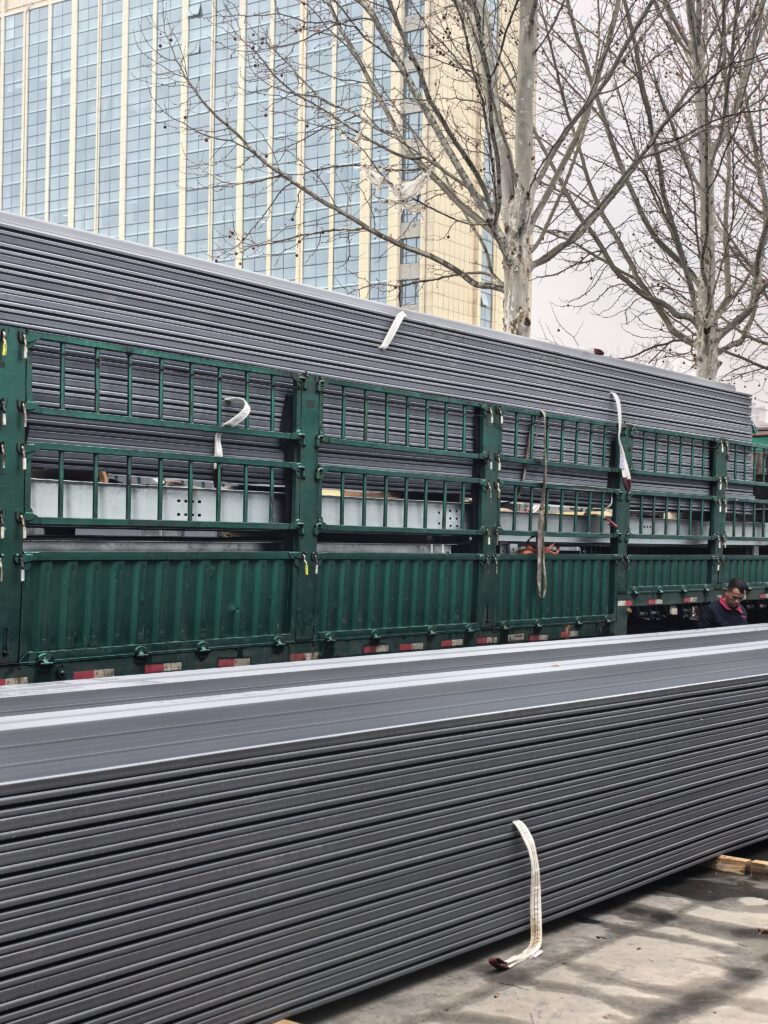
Traditional solutions like concrete retaining walls, wooden piles and ordinary steel sheet piles have obvious drawbacks: long construction periods, easy corrosion and high overall costs.
By comparison, plastic-steel waterproof retaining panels are tailor-made for the complex working conditions of fish ponds. They serve as an efficient and cost-effective supporting and waterproofing material for aquaculture infrastructure.
First of all, they deliver outstanding anti-seepage performance. The precisely matched male and female interlocks, together with special waterproof sealant, form a fully sealed barrier. It can block underground water infiltration, stop pond water leakage and sediment outflow, and keep a stable water level for breeding.
Secondly, the integrated modular structure provides reliable soil retention. It evenly bears the lateral soil pressure of soft ground to avoid slope sliding and dike collapse, fitting fish pond excavation projects at different depths.
Thirdly, the material is eco-friendly and long-lasting. It resists water corrosion, never rusts or goes mouldy, and releases no toxic substances to protect aquaculture water quality. With a service life of several decades, it barely needs anti-corrosion maintenance.
Fourthly, it features simple installation and high economic value. The lightweight panels are convenient for transportation and narrow farmland construction. Only small machines are needed for installation, greatly boosting construction efficiency. What’s more, they can be disassembled and reused many times to cut repeated infrastructure investment.
- Clean the construction site and check all panels for cracks or deformation before piling;
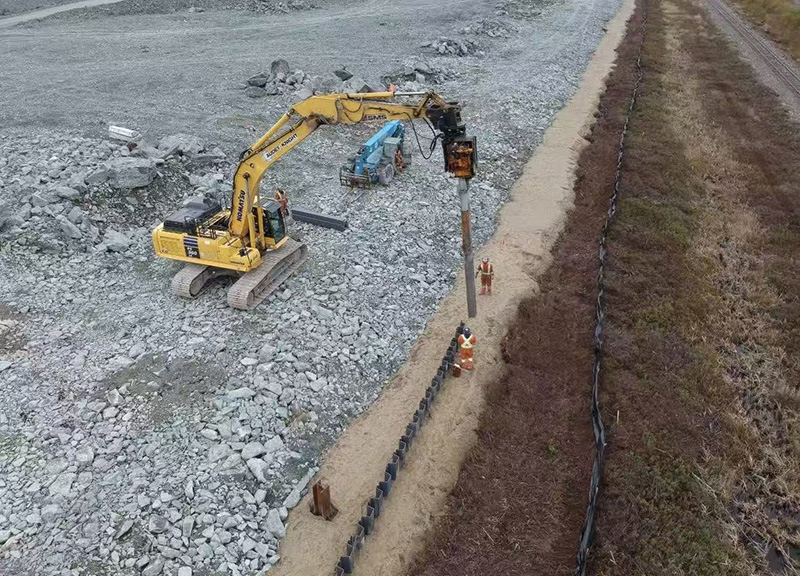
- Drive panels vertically into soil with a small vibratory hammer and guarantee enough embedded anchorage depth;
- Focus on sealing the interlock gaps completely to cut off water seepage paths;
- Abide by the rule of “support first, excavate later”;
- Mount a top cap after construction and compact backfill layer by layer to strengthen the whole structure.
When draining the pond for silt cleaning, wash away sediment trapped inside interlock grooves and reapply sealant to stop leakage caused by long-term friction and abrasion.
Prevent the panels from being hit and damaged by farm machinery or fishing boats during daily breeding work.
Carry out comprehensive inspections in flood seasons to check water seepage, wall tilting and other hidden dangers, so as to maintain the long-term stability and safety of the fish pond retaining system.