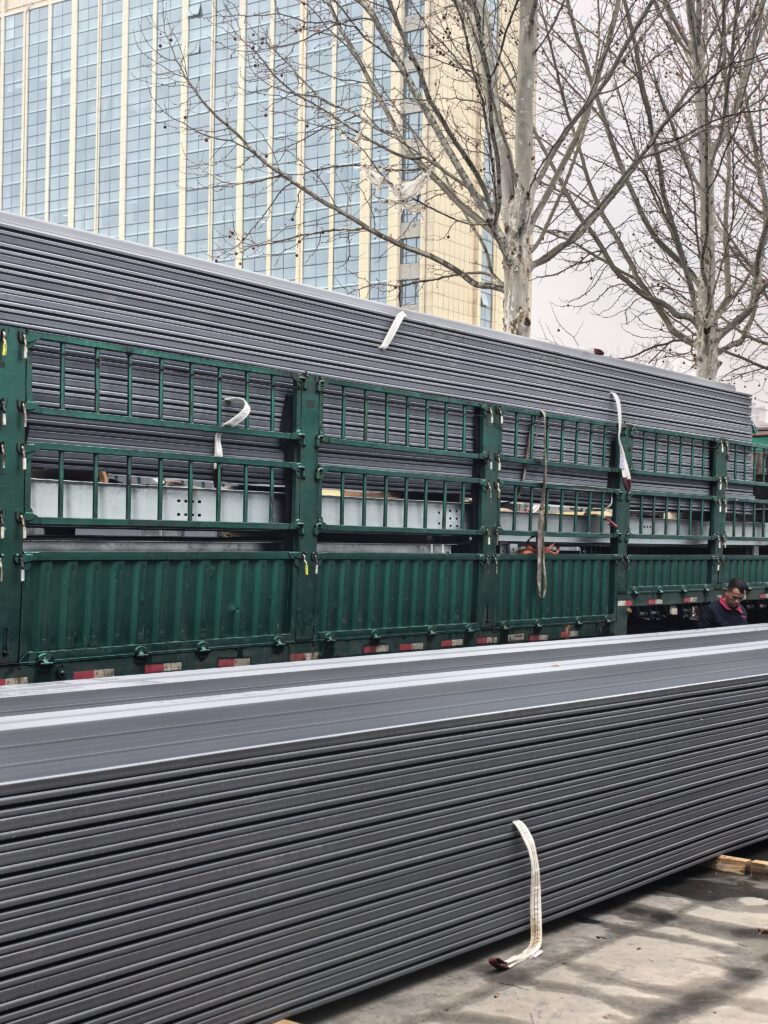
Most aging urban and rural rivers face common problems, including thick silt accumulation, unstable slope collapse, water seepage and seasonal flood scouring. Conventional restoration solutions such as concrete revetments, stone masonry and steel sheet piles have prominent limitations. These rigid structures easily crack under soft-soil settlement, corrode in long-term water environments, require lengthy construction cycles and generate residual construction waste. In contrast, HDPE and PVC plastic sheet piles provide a high-performance, eco-friendly alternative. With outstanding corrosion resistance, reliable interlock sealing, rapid installation and reusable features, they have become an ideal solution for river dredging, temporary cofferdam water cutoff and long-term riverbank stabilization.
Plastic sheet piles are extruded from modified high-polymer materials and designed with standard U-shaped or Z-shaped interlock joints. Adjacent piles tightly engage to form a continuous, fully enclosed impermeable wall. The elastic interlock structure ensures close fitting between piles, effectively preventing lateral river leakage and groundwater infiltration. Unlike rigid concrete or masonry structures, the flexible plastic body tolerates minor uneven settlement of silt and soft foundation. It avoids structural fracture and leakage risks, maintaining long-term overall stability of the river revetment.
Plastic sheet piles deliver comprehensive advantages over traditional construction methods. Compared with steel sheet piles, they are highly resistant to sewage and silt corrosion and require no anti-rust maintenance. They produce no metal ion pollution to water bodies and feature light weight for convenient transportation and small-equipment construction. The reusable design greatly lowers overall project investment. Compared with concrete and ecological bag revetments, they greatly accelerate construction progress with no curing period required. Their slim structural width occupies minimal river cross-section, ensuring original flood-carrying capacity without generating construction waste after project completion.
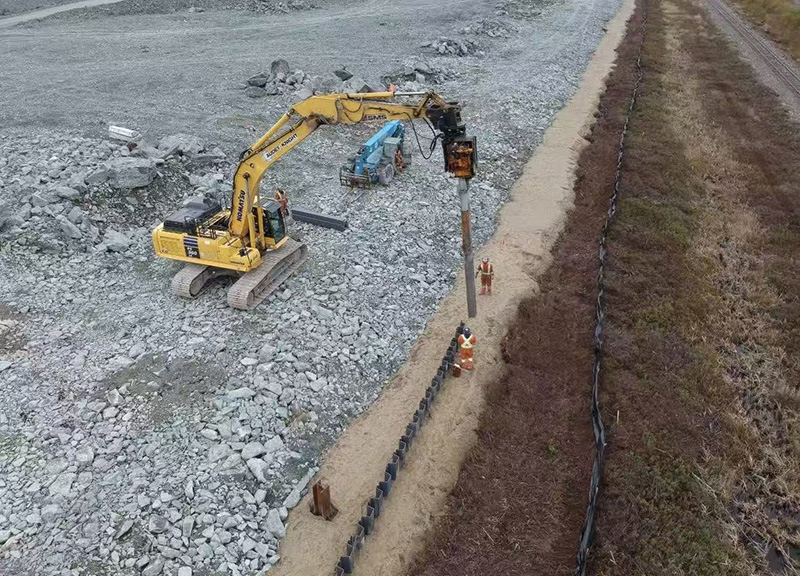
The river renovation adopts standardized cofferdam construction procedures, including site surveying, setting out, guide frame installation, screen-type pile driving, internal support arrangement and drainage system layout. This method forms a stable dry working zone to support safe, layered silt dredging. Different specifications including light-duty, reinforced and high-modulus sheet piles are selected according to actual water depth, silt thickness and complex riverbed conditions. Strict on-site quality control over pile verticality, interlock tightness and embedded depth effectively eliminates hidden dangers such as water leakage and bank slope sliding.
This technology is widely applicable to black and odorous river treatment, aging riverbank restoration, foundation support for pipeline projects, water system connectivity renovation and ecological landscape revetment works. As a green, low-consumption and low-maintenance construction method, it fully complies with modern ecological river management standards and sponge city construction requirements.