1. Material Selection
2. Anti-Corrosion Control During Construction
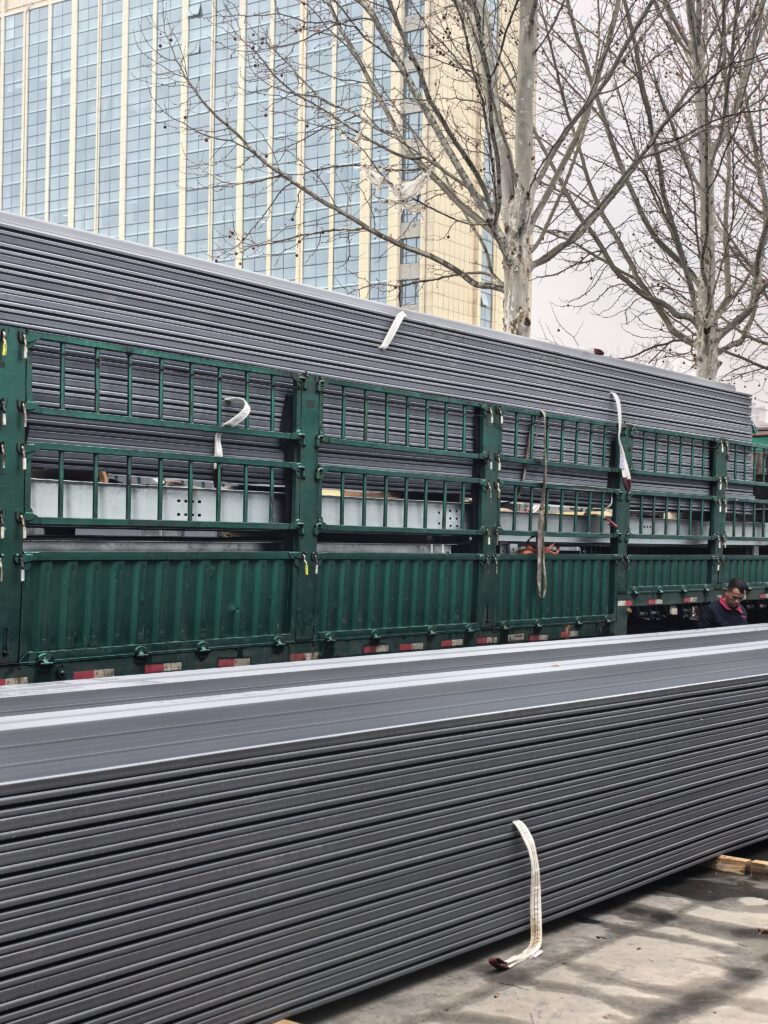
Strict anti-corrosion details shall be enforced throughout construction. Piles shall be stored on raised supports to avoid dampness, salt fog erosion and ponding. Before installation, thoroughly clean interlocking joints and evenly apply coastal anti-corrosion sealant and waterproof expanding resin. Re-coat the sealant after assembly to block all water seepage paths.
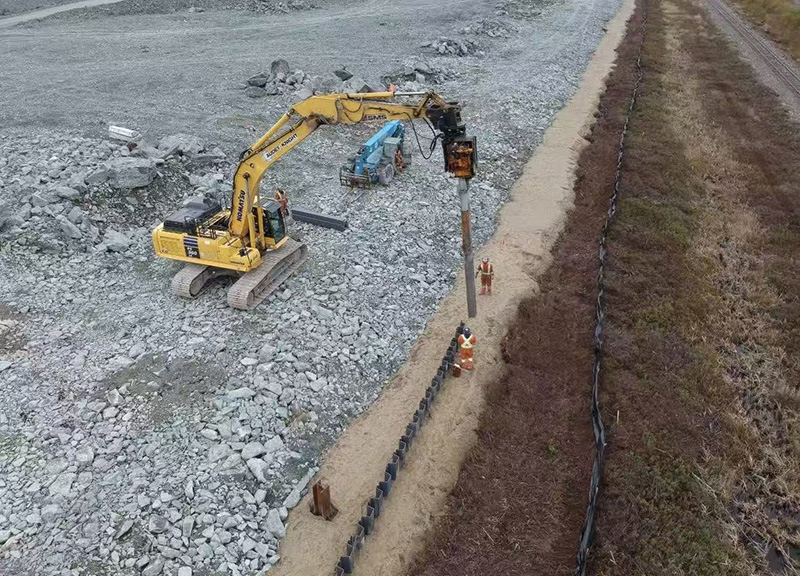
Adopt flexible lifting methods and standardized piling procedures to prevent scratches on the protective coating and pile deformation. Repair damaged areas immediately and optimize site drainage to stop salt crystal buildup.
3. Zoned Maintenance & Protection
Carry out maintenance on a zonal basis. For severely corrosive zones such as tidal zones and splash zones, overlay salt-resistant epoxy or polyurethane coatings on the base protection layer. Install FRP (fiberglass-reinforced plastic) anti-corrosion layers where needed, with extra reinforcement on vulnerable parts including corners and joints.
Set up regular maintenance routines: flush piles with fresh water periodically to remove salt and scale, inspect for coating aging and seal failure, and conduct timely repairs. A full anti-corrosion refurbishment shall be implemented every 7 to 10 years in high-salt environments to maintain lasting protection.
4. Overall Engineering Application Principles
Avoid common pitfalls in engineering: do not overemphasize material selection over construction, or construction over maintenance; never mix non-standard components or operate with hidden risks.
Salt corrosion protection for plastic-steel sheet piles must run through the whole lifecycle — from material procurement and construction to on-site protection and daily maintenance. This comprehensive system can fully mitigate salt-induced damage and reliably secure the stability and durability of coastal tidal flat retaining projects.