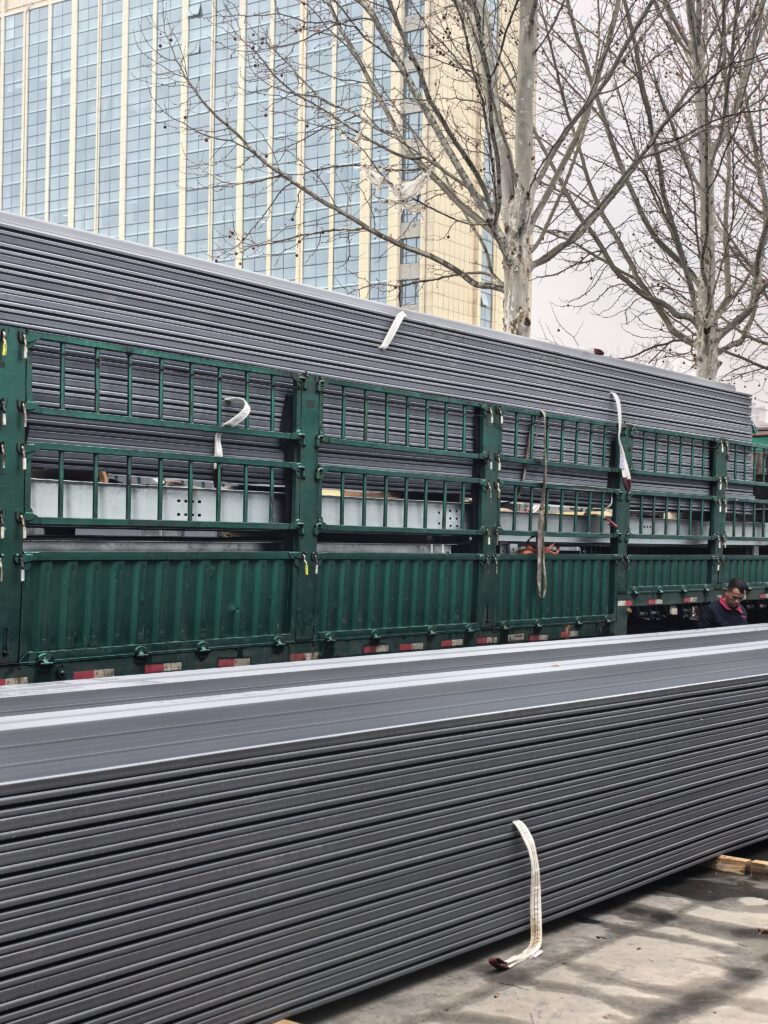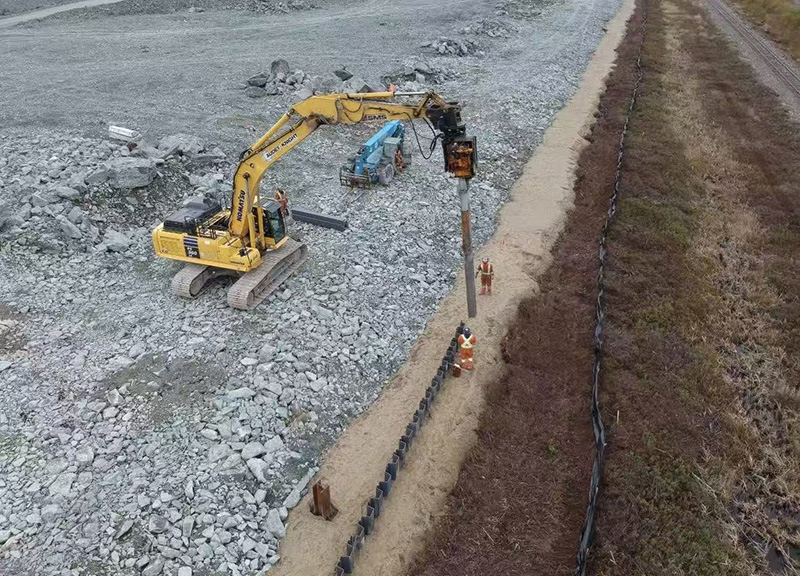
After the demolition of old riverbank revetments during the renovation of historic river channels, the sites generally exhibit issues such as significant soil disturbance, thick layers of silt, residual construction debris, and frequent water level fluctuations. These conditions can easily lead to problems such as displacement of plastic-steel sheet piles, poor interlocking, subsequent seepage, and slope settlement. To ensure the effectiveness of riverbank support and waterproofing, construction must strictly control key points throughout the entire process and adapt to the complex conditions of historic river channels.
Prior to construction, the site must undergo thorough preparation to completely remove hard debris—such as gravel and old pile foundations—from the pile locations, thereby preventing pile misalignment and damage to the interlocking joints. For soft silt layers, address the issue by replacing and compacting the soil or extending the pile length to ensure the piles are embedded in a stable soil layer. At the same time, level the construction platform and inspect utility lines and existing structures surrounding the protection area to mitigate potential risks from construction disturbances. High-quality plastic-steel sheet piles compliant with national standards must be selected, with priority given to those equipped with water-swelling waterstop seals. Upon arrival, the integrity of the piles, interlocking joints, and waterstop fittings must be strictly inspected to prevent substandard materials from entering the site.