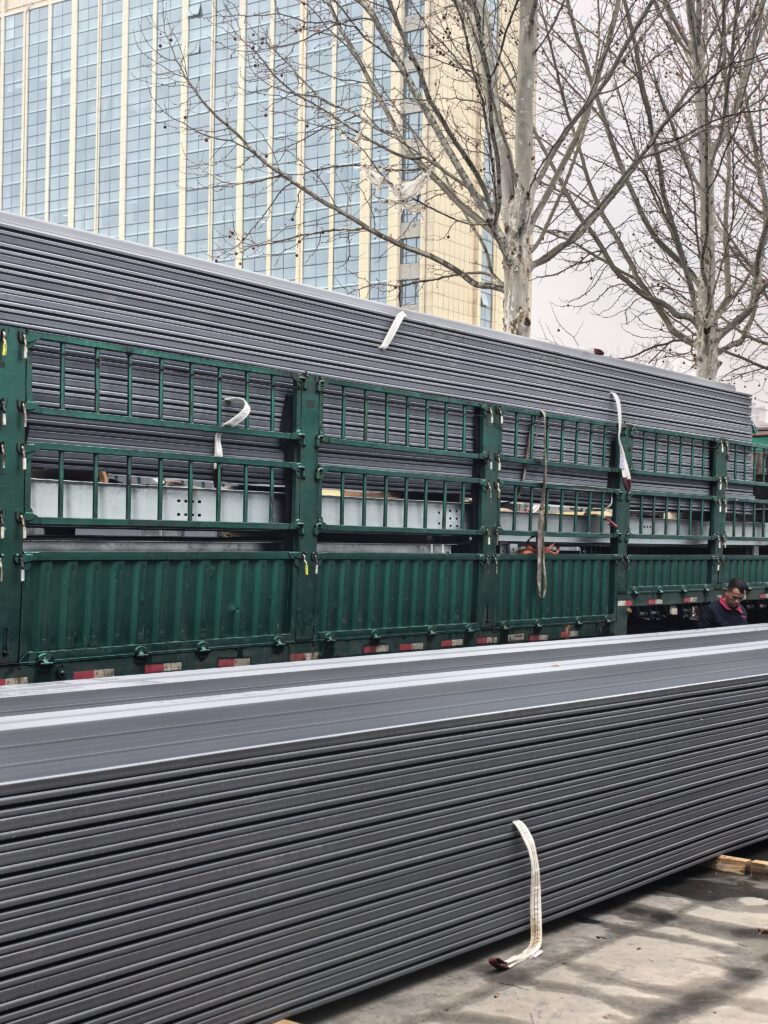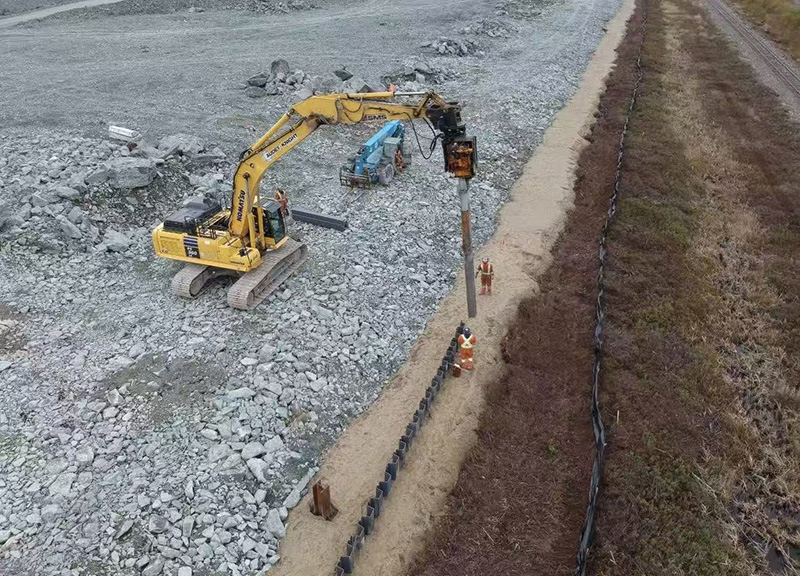
В сфере гидротехнического строительства и защиты от наводнений надежность, экологичность и эксплуатационные расходы на техническое обслуживание берегоукрепительных и водозадерживающих сооружений напрямую определяют качество проекта и его долгосрочную ценность. Традиционные материалы, такие как подпорные стены из железобетона, подпорные стены из каменной кладки и стальные шпунтовые сваи, как правило, характеризуются сложностью строительства, недостаточными экологическими показателями и высокими затратами на техническое обслуживание после завершения строительства. С углублением и продвижением концепций «зеленого» инжиниринга пластиковые стальные шпунтовые сваи — как новый компонент из композитных материалов — постепенно стали предпочтительным решением для проектов в области гидротехники и защиты от наводнений. Благодаря своим выдающимся характеристикам по предотвращению наводнений, экологичности на всех этапах производства и отсутствию необходимости в техническом обслуживании они придают новую динамику управлению реками, укреплению набережных и другим инженерным проектам.
Пластиковые стальные шпунтовые сваи изготавливаются с использованием полимерной смолы в качестве основного материала, который объединяется с армированными композитными материалами посредством специального одноэтапного процесса экструзии. Это позволяет гениально сочетать коррозионную стойкость пластика с прочностью стали, что обеспечивает ряд технологических прорывов в сфере защиты от наводнений. Их уникальная конструкция является ключевым конкурентным преимуществом. Большинство изделий отличается поперечным сечением с высоким моментом инерции в сочетании с системой многонаправленных соединений с замковым механизмом. Смежные шпунтовые сваи точно соединяются с помощью механизмов «шип-паз», образуя непрерывный бесшовный водонепроницаемый барьер. Это значительно повышает устойчивость и опрокидываемость, эффективно противостояя горизонтальным нагрузкам от воздействия паводковых вод и обеспечивая гораздо более высокую сопротивляемость изгибу по сравнению с традиционными материалами.
Решая типичную для гидротехники проблему выбора между дренажем и удержанием воды, новые шпунтовые сваи из пластика и стали обеспечивают оптимизацию двойной функции благодаря инновационной конструкции. Некоторые изделия имеют сквозные отверстия в виде “цветков сливы” в нижней и боковых пластинах, в сочетании с композитными геотекстильными вкладышами внутри полостей. Такая конструкция обеспечивает нормальные циклы пополнения и отвода грунтовых и поверхностных вод, при этом эффективно предотвращая явления трубчатости и эрозию грунта, а также исключая деформацию конструкции, вызванную скоплением воды у основания насыпи. Кроме того, экологичные «дышащие» варианты оснащены вогнутыми выступы, которые взаимосвязываются с отверстиями. Такая конструкция повышает прочность конструкции, одновременно улучшая водопроницаемость и воздухопроницаемость, устраняя необходимость в дополнительных системах фильтрации с обратным осмосом и значительно снижая сложность и стоимость строительства.
Экологические преимущества пластиковых стальных шпунтовых свай проявляются на протяжении всего их жизненного цикла, кардинально изменяя негативное воздействие традиционных материалов для гидротехнического строительства на окружающую среду. Изготовленные из нетоксичных, безвредных полимерных материалов, не содержащих тяжелых металлов и пластификаторов, эти сваи сохраняют стабильный состав, не выделяя загрязняющих веществ в водоемы или почву, что позволяет им органично вписываться в окружающие экосистемы. По сравнению с электрохимической коррозией традиционных стальных шпунтовых свай и загрязнением, вызванным гниением деревянных свай, пластиковые стальные шпунтовые сваи демонстрируют исключительную стойкость к кислотам и щелочам, старению, замерзанию и высоким температурам. Их срок службы превышает 50 лет даже в суровых условиях, таких как погружение в воду и влажная почва, что снижает нагрузку на окружающую среду и потребление ресурсов, связанное с заменой материалов на месте. Некоторые продукты также подлежат вторичной переработке, что полностью соответствует требованиям развития «зеленого» строительства и экологического водохозяйства.
Отсутствие необходимости в техническом обслуживании пластиковых стальных шпунтовых свай является ключевым фактором снижения совокупных затрат на весь жизненный цикл проектов. Традиционные стальные шпунтовые сваи требуют регулярной антикоррозионной обработки, в то время как железобетонные подпорные стены подвержены растрескиванию и протечкам. Последующий ремонт не только требует значительных трудозатрат и ресурсов, но и может нарушить нормальную работу объектов противопаводковой защиты. Пластиковые стальные шпунтовые сваи, однако, благодаря своей врождённой коррозионной стойкости и устойчивости к старению сохраняют конструктивную стабильность и эффективность противопаводковой защиты в течение длительного времени без сложного обслуживания после установки. Кроме того, веся всего от одной пятой до одной восьмой от веса стальных шпунтовых свай аналогичных технических характеристик, они облегчают транспортировку и монтаж без использования тяжелой техники. Их компактные габариты и высокая эффективность значительно сокращают сроки реализации проектов, что еще больше снижает общие затраты и обеспечивает “однократные инвестиции и долгосрочные выгоды”.”
Пластиковые стальные шпунтовые сваи представляют собой не просто замену материала, а революционное усовершенствование в сфере водохозяйственных и противопаводковых проектов, направленное на создание более экологичных, эффективных и долговечных решений. Благодаря своим исключительным конструктивным характеристикам, обеспечивающим защиту от наводнений, они укрепляют системы безопасности; их полностью экологически чистые свойства сохраняют экологический баланс; а преимущества, связанные с низкими затратами на техническое обслуживание, снижают эксплуатационные расходы. Эти качества идеально соответствуют основным требованиям современных проектов в области водного хозяйства: безопасность превыше всего, экологичность и экономическая эффективность. По мере дальнейшего развития технологий и расширения сферы применения пластиковые стальные шпунтовые сваи, несомненно, будут играть важную роль в проектах по управлению речным стоком, укреплению набережных и защите от наводнений. Они обеспечивают надежную основу для создания устойчивых и экологически безопасных систем водохозяйственного строительства, продвигая эту отрасль к новому этапу высококачественного развития.