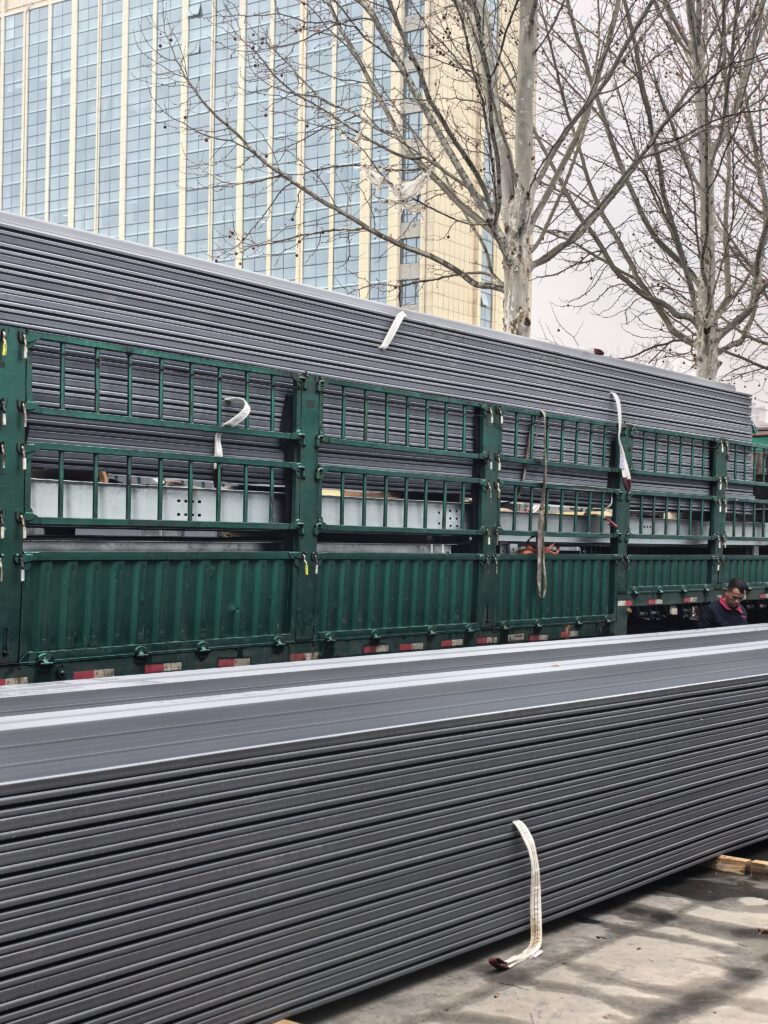
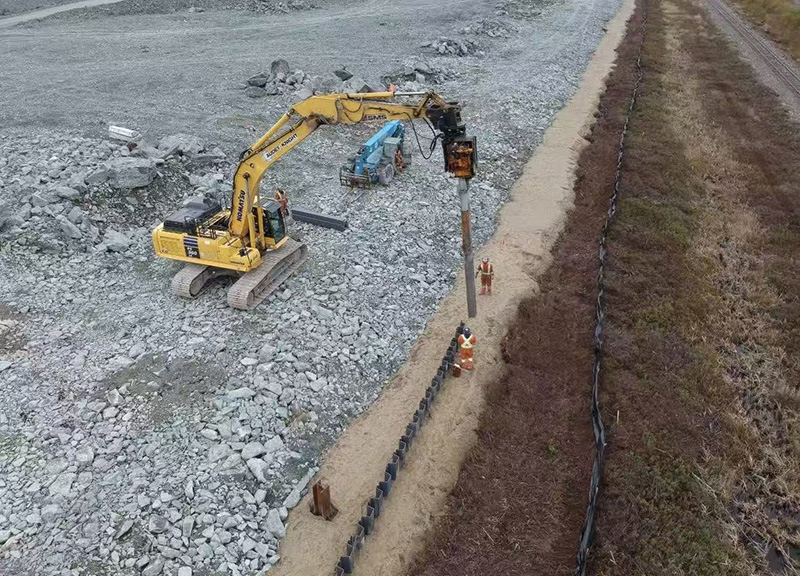
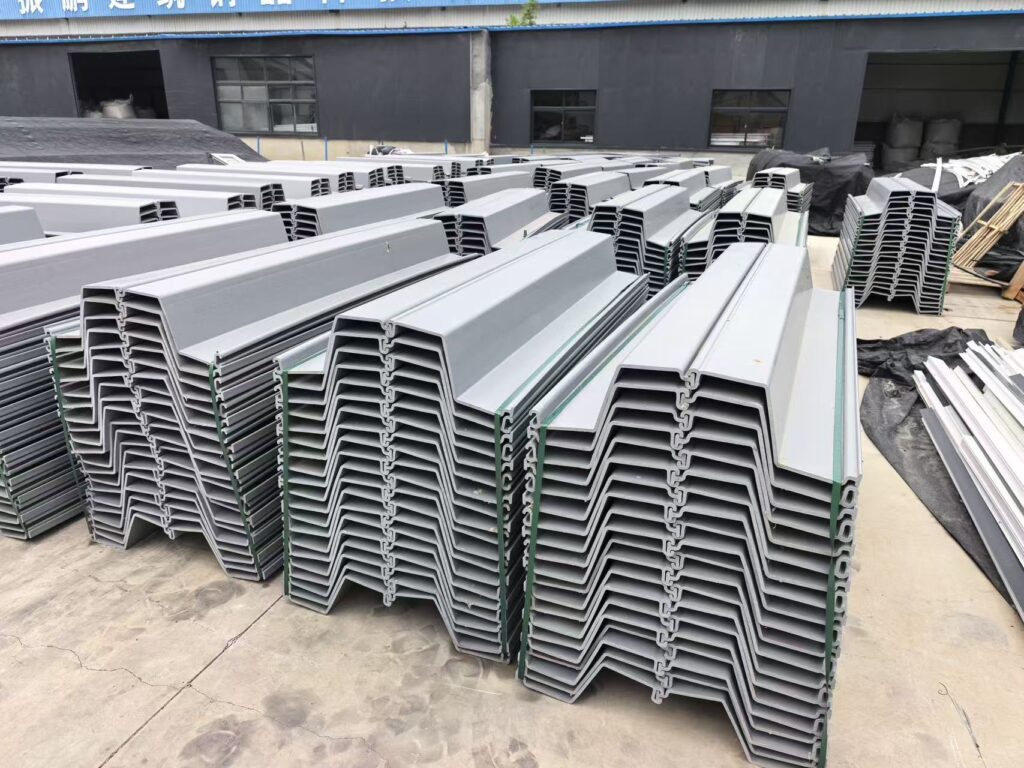
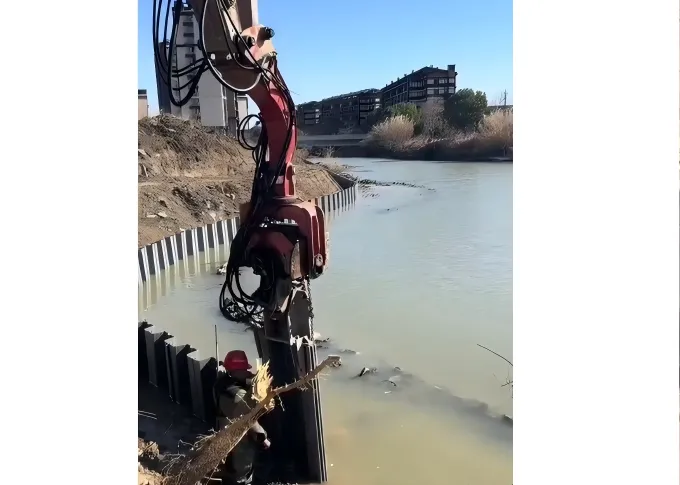
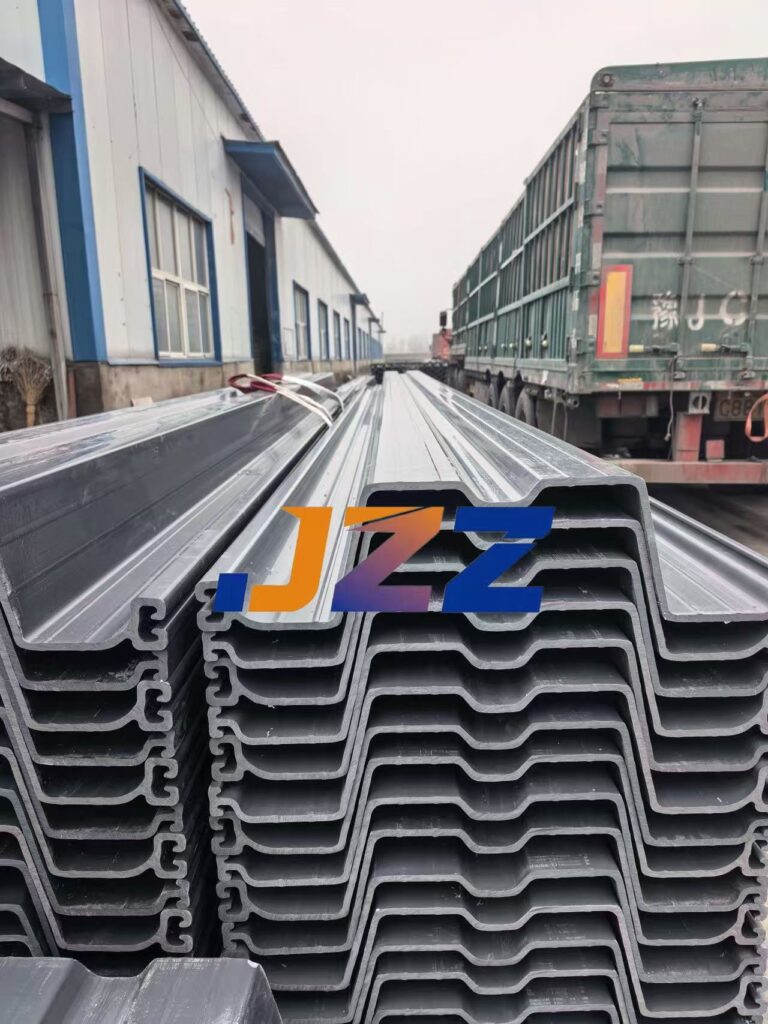
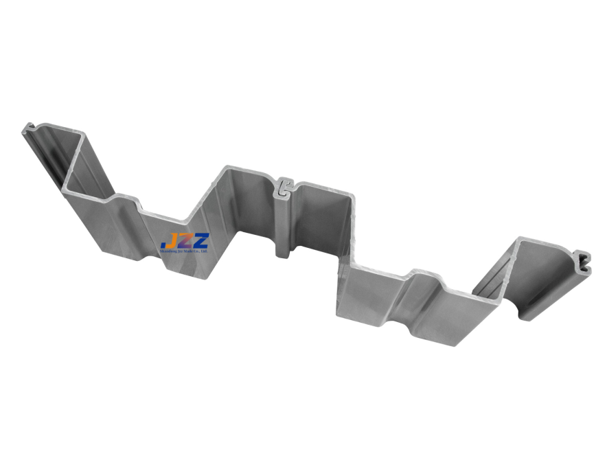
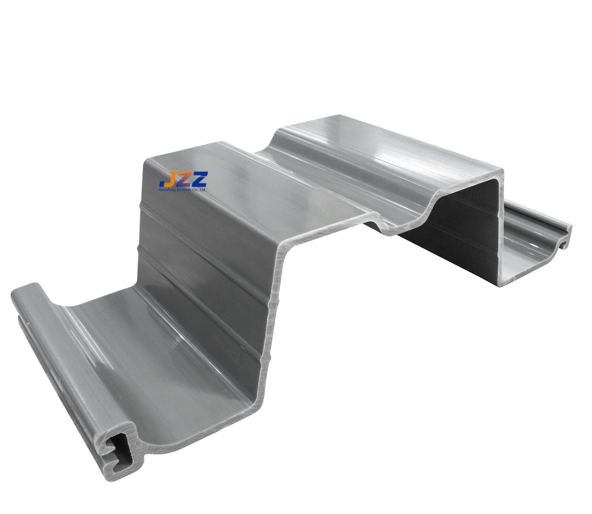
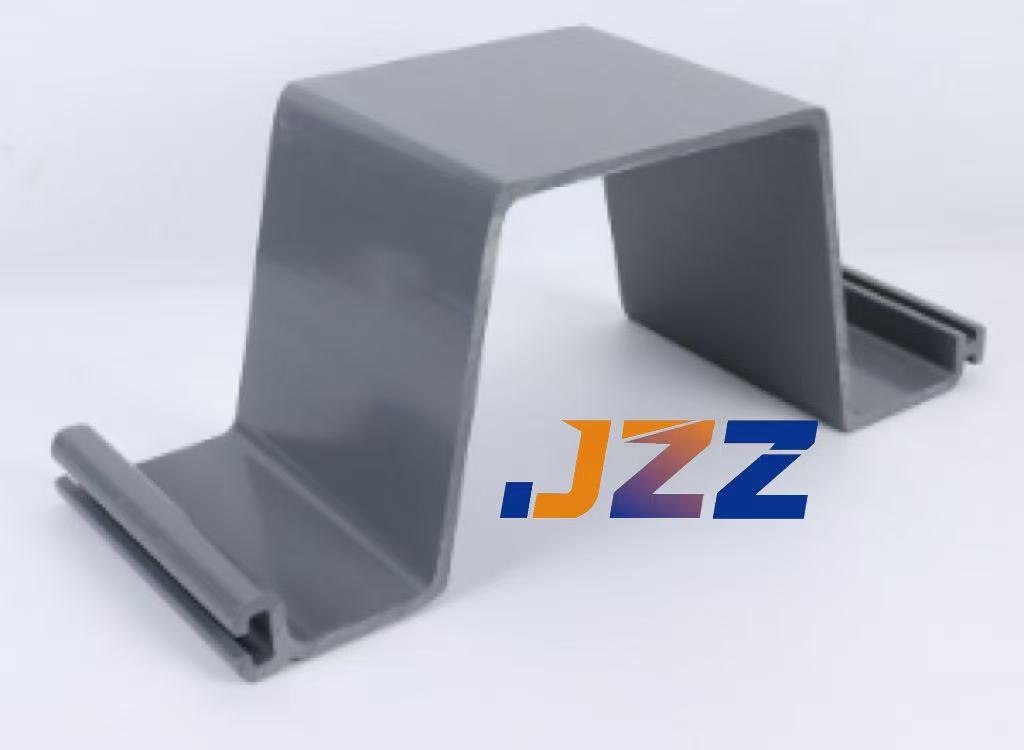
Plastic-steel sheet piles are modular retaining materials featured with good corrosion resistance and easy installation. They are widely applied in river regulation, landscape revetment, pond support and water conservancy projects. They fit most loose and medium-dense soil layers, including silt, silty soil, ordinary sand and soft plastic clay. However, polymer materials have inherent limits in stiffness and impact resistance. The product cannot adapt to all geological conditions. Improper application may lead to pile deformation, connector damage, water leakage and wall instability. For better engineering safety and durability, please refer to the following unsuitable conditions for product selection and construction.
Not Suitable for Rock Layers and Hard Bedrock
Hard rock and heavily weathered bedrock produce extremely high piling resistance. Standard vibrating or pressing equipment cannot drive sheet piles to the designed depth. Forced construction will crack the pile tip, deform the pile body and damage interlock connectors. This directly weakens the wall’s waterproof and retaining capacity. Even scattered shallow rocks and boulders will block piling work, cause pile tilt and displacement, and greatly increase construction failure risks.
Not Recommended for Cobble, Gravel and Large Boulder Strata
Thick gravel layers and densely distributed large boulders will scratch and impact pile bodies and interlock joints. This destroys the sealing performance and creates hidden water leakage channels. Hard stones also cause local stress concentration, which easily damages the sheet pile structure. Direct piling is not allowed in these complex strata. If the product must be used, pre-drilling and obstacle removal are required, which will increase construction costs and prolong the project period.
Not Applicable for Dense Stiff and Hard Clay Layers
Ultra-dense hard clay features high hardness and strong penetration resistance. It will hinder piling construction and prevent sheet piles from reaching the specified depth, resulting in permanent bending deformation. Besides, hard clay expands and shrinks with humidity changes, which generates cyclic extrusion pressure on the pile wall. Polymer materials are prone to slow creep deformation under long-term stress, gradually reducing the overall stability of the revetment structure.
Not Recommended for Backfill Sites with Buried Hard Obstacles
Underground obstacles such as concrete blocks and construction waste will block normal piling operations. These hard debris will damage interlock structures, causing pile dislocation, joint cracks and persistent water seepage problems.
Unsuitable Working Conditions
Plastic-steel sheet piles are designed for low and medium-height retaining projects only. Due to limited material rigidity, they are not suitable for ultra-high revetment walls or working conditions with heavy backfill loads. These extreme conditions will easily trigger structural instability and hidden safety hazards.
A detailed geological survey is required before construction to confirm soil composition, rock distribution and soil compactness. For the above unfavorable geological conditions, steel sheet piles and concrete retaining walls are more reliable alternatives. If plastic-steel sheet piles are adopted, structural verification, pilot hole drilling and soil pretreatment must be completed in advance. Blind piling is strictly prohibited to ensure long-term safety and stability of engineering projects.