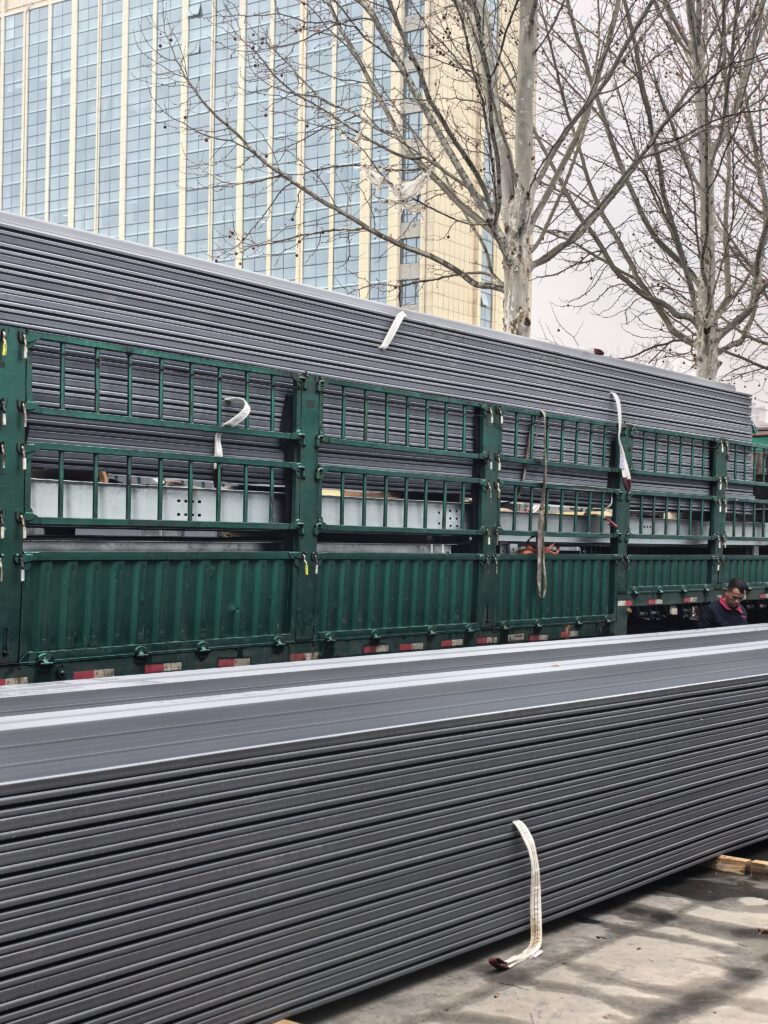
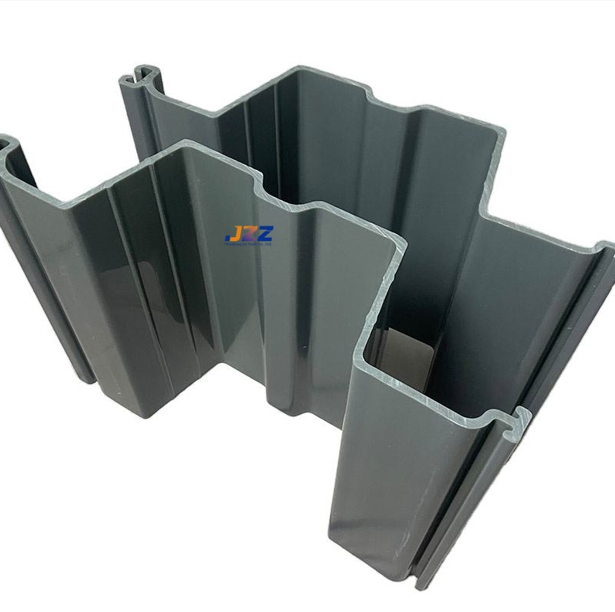
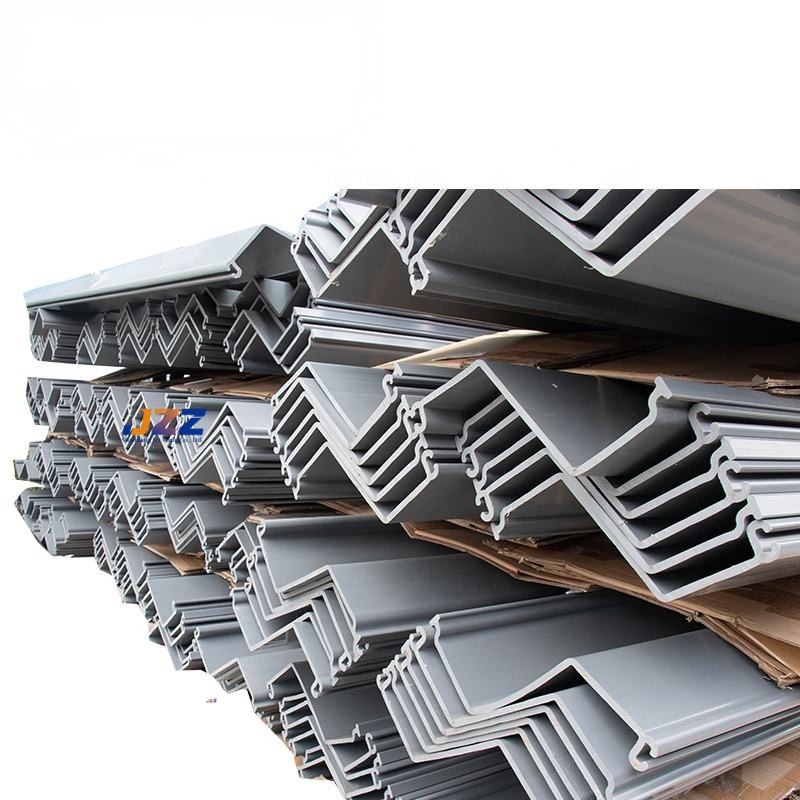
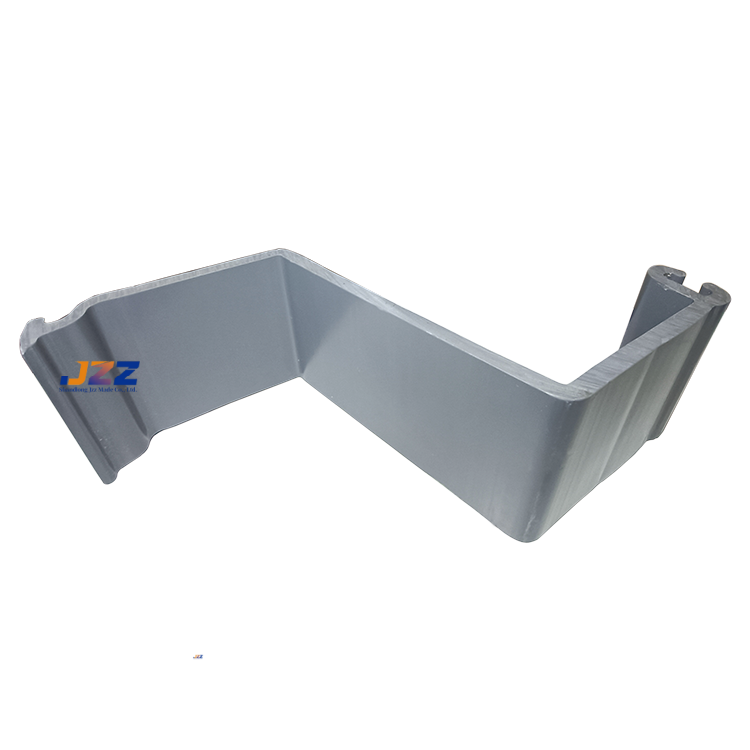
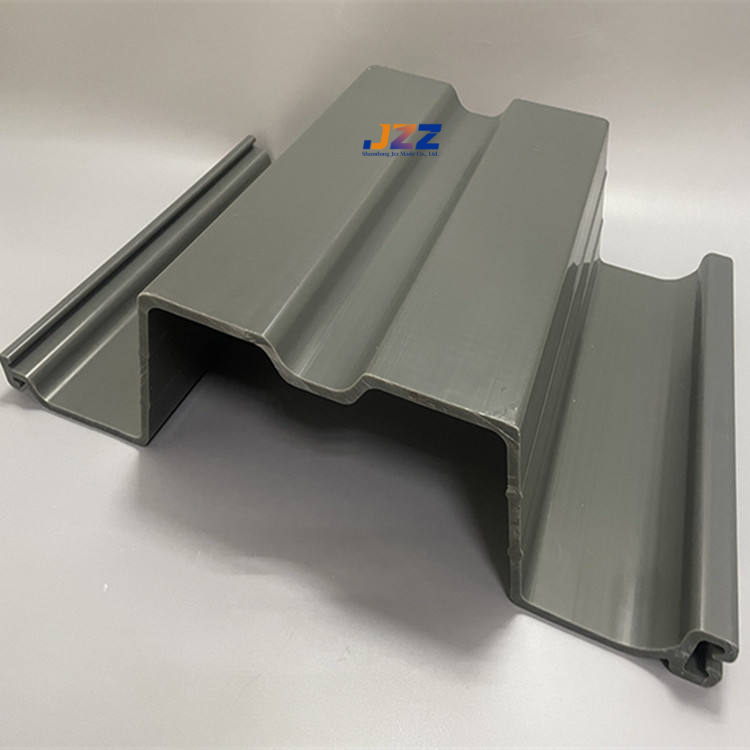
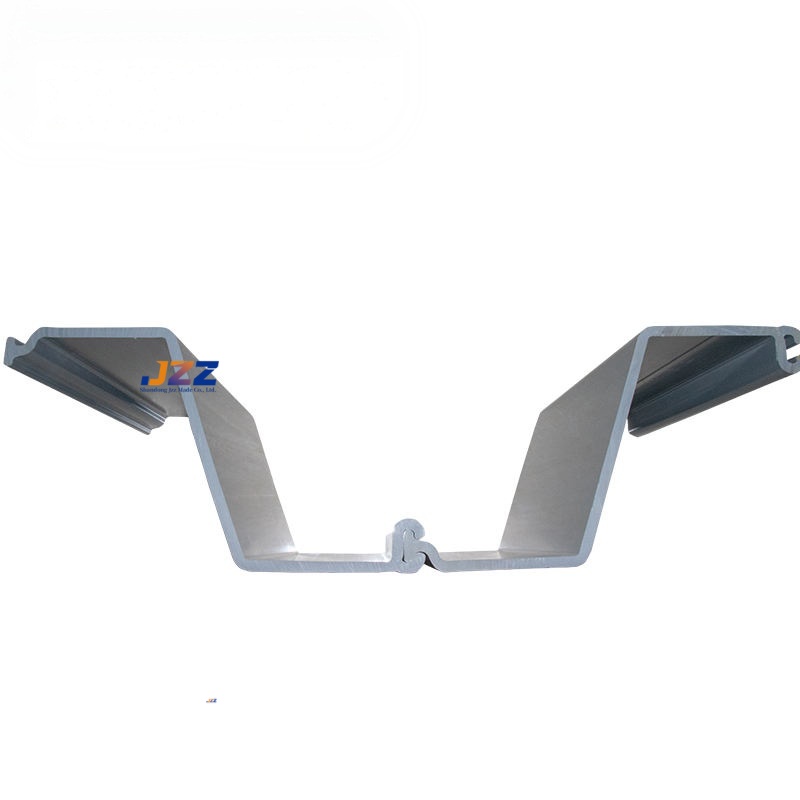
Low-carbon plastic-steel sheet piles are a new type of polymer composite building material designed for modern green river construction, ecological water management, and low-carbon infrastructure. They can fully replace traditional concrete, steel, and masonry slope protection materials and are widely used in water conservancy projects such as ecological riverbank protection in urban and rural areas, levee reinforcement, dredging cofferdams, landscape water systems, and the remediation of coastal and saline-alkali waterways.
The product is manufactured using a low-temperature extrusion molding process, which features low energy consumption and zero emissions of solid, liquid, or gaseous waste. Its full-lifecycle carbon emissions are reduced by more than 50% compared to traditional reinforced concrete materials, and it is 100% recyclable, offering significant low-carbon and energy-saving advantages. This product is non-toxic and harmless, causing zero water and soil pollution. It features exceptional corrosion resistance, aging resistance, and scour resistance, with a service life of up to 30 years in aquatic environments. Its robust structure and excellent impermeability and earth-retaining capabilities effectively protect slope stability, preserve ecological connectivity between land and water, and contribute to river water quality improvement and ecological restoration.
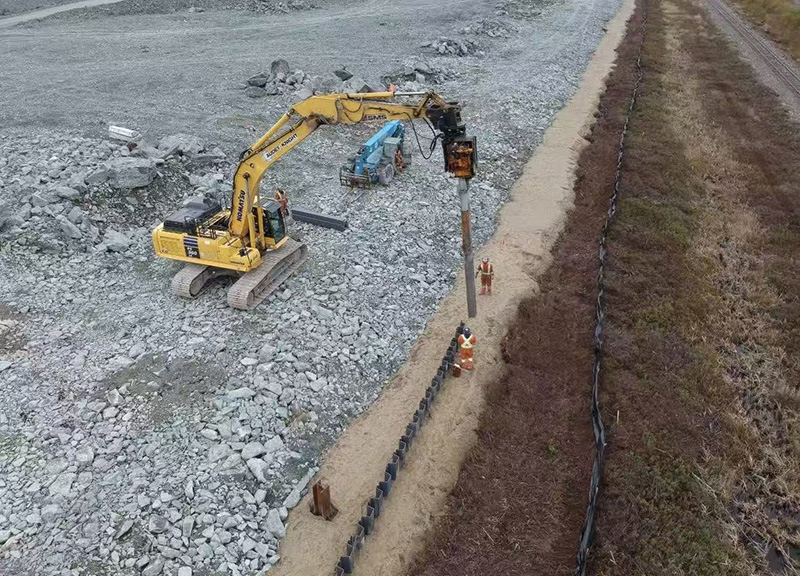
Utilizing a modular interlocking assembly process, the product requires no heavy machinery or on-site wet operations. Installation is efficient, low-noise, and dust-free, with minimal disturbance to the native ecosystem, making it highly adaptable for green construction. Additionally, the product features low overall construction and operational costs, delivering multiple benefits—including low-carbon, ecological, economic, and social advantages—making it the preferred building material for the current phase of upgrading river management toward greener, more standardized, and low-carbon practices.