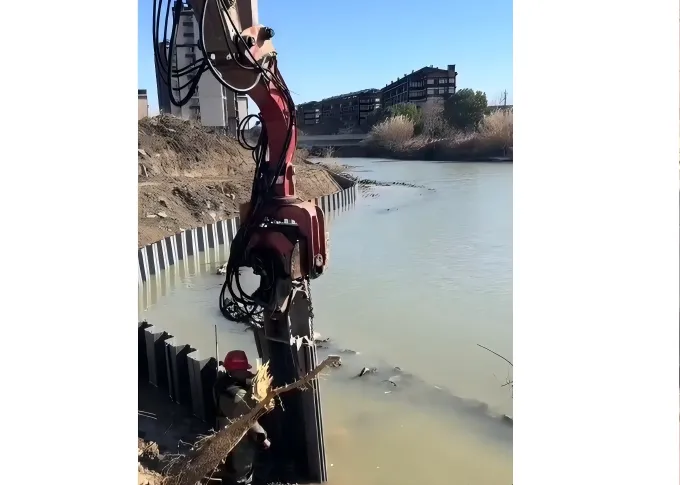
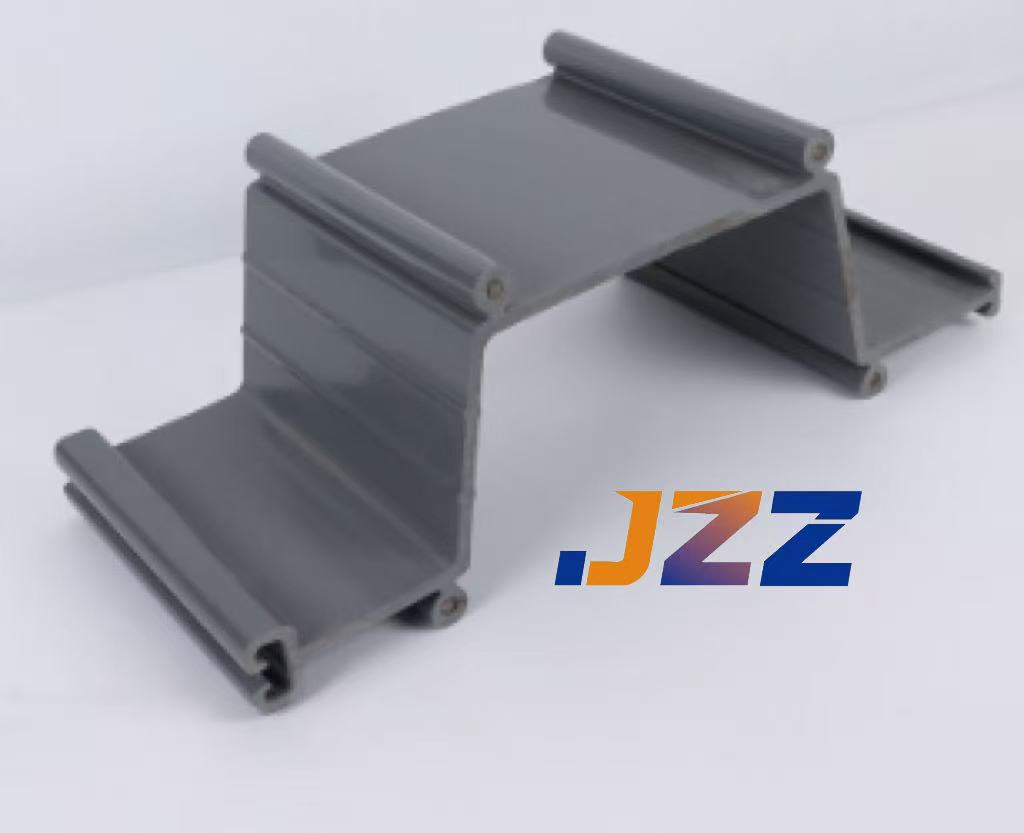
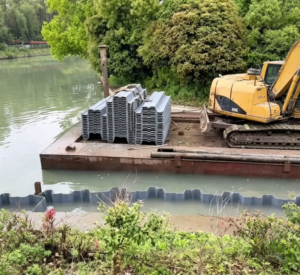
In modern hydraulic engineering, coastal renovation and municipal construction projects, traditional steel sheet piles, concrete and wooden piles often face obvious limitations such as easy rusting, short service life, high
In projects such as hydraulic slope protection, coastal reinforcement, and municipal wastewater treatment, the corrosion and aging of building materials are key challenges that affect project quality and shorten service
Plastic sheet piles are widely used in water conservancy treatment, aquaculture and municipal micro-projects due to their prominent advantages. These include strong corrosion resistance, light weight, fast construction, recyclable performance
Coastal waterways, estuaries and tidal flats suffer severe corrosion risks. Seawater carries high salinity and chloride ions. On top of that, daily tide cycles speed up damage for hydraulic revetments.
Most aging urban and rural rivers face common problems, including thick silt accumulation, unstable slope collapse, water seepage and seasonal flood scouring. Conventional restoration solutions such as concrete revetments, stone
Fish pond foundation digging, dike reinforcement and pond renovation are mostly carried out on soft silty soil. These projects frequently face troubles including excessive underground water, unstable slopes, water leakage
Coastal tidal flats feature high salinity, high humidity and repeated wet-dry tidal alternations. High chloride ion levels and salt crystallization and accumulation easily damage plastic-steel sheet piles, cause locking seal
Interlocking locks are the core parts of plastic composite sheet pile retaining systems. They bear structural loads and block water seepage. These products are widely used in river regulation, cofferdam
After the demolition of old riverbank revetments during the renovation of historic river channels, the sites generally exhibit issues such as significant soil disturbance, thick layers of silt, residual construction
Against the backdrop of the “Dual Carbon” strategy and the green transformation of water conservancy, traditional river management materials—such as concrete, steel sheets, and masonry—suffer from drawbacks including high carbon