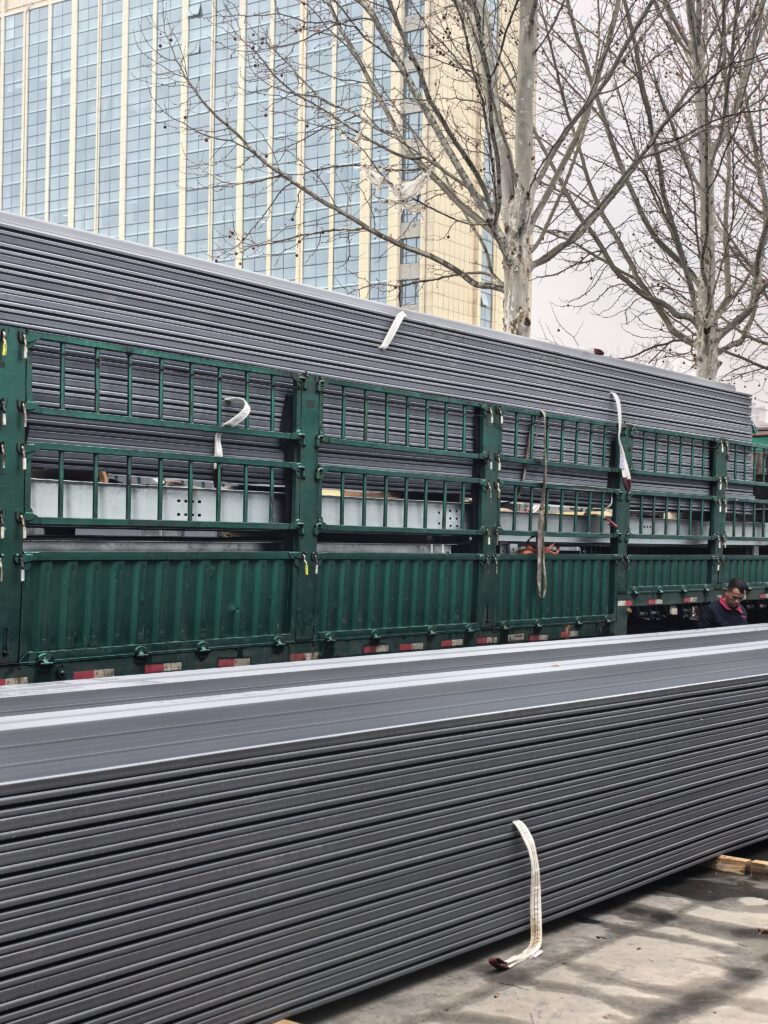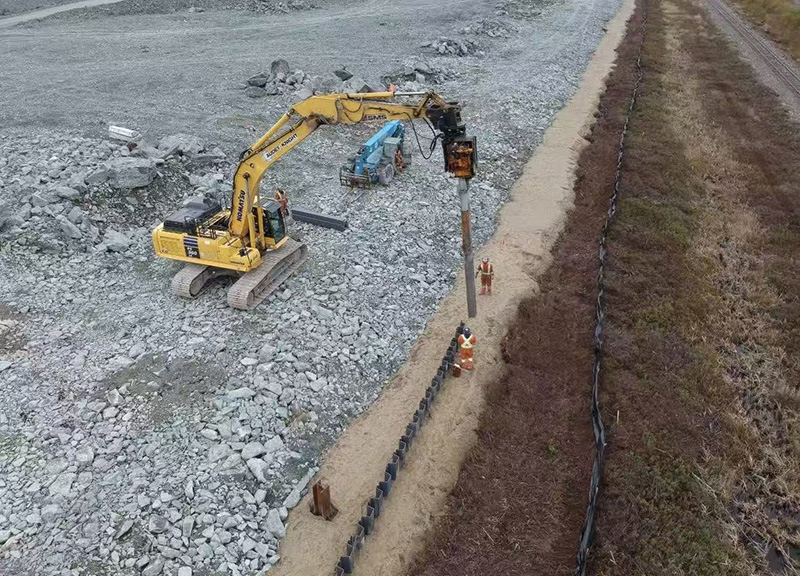
In various geotechnical and hydraulic engineering projects, traditional sheet pile materials have long suffered from inherent limitations that are difficult to overcome. Steel sheet piles are prone to corrosion and require frequent maintenance; reinforced concrete sheet piles are bulky and prone to cracking; and wooden sheet piles have an extremely short service life. In contrast, plastic-steel sheet piles—as a new type of eco-friendly composite material—have emerged as an ideal alternative to traditional materials thanks to their multiple core advantages. Compared to traditional materials, plastic-steel sheet piles excel in durability. Traditional steel sheet piles have a service life of only 10–15 years, reinforced concrete sheet piles last approximately 20–30 years, and wooden sheet piles last just 3–5 years. In contrast, plastic-steel sheet piles utilize a modified polymer composite process, making them resistant to acids and alkalis, corrosion-resistant, and mold-resistant, with a service life of over 50 years and no need for complex maintenance throughout their lifespan. In terms of construction efficiency, plastic-steel sheet piles are significantly lighter than traditional materials—weighing only about one-sixth that of steel sheet piles and one-tenth that of concrete piles. They do not require heavy lifting equipment, substantially reducing transportation and installation costs while significantly improving construction efficiency. Additionally, they offer flexible jointing to adapt to various complex conditions and are 100% recyclable after removal. Furthermore, plastic-steel sheet piles offer a more cost-effective life-cycle solution. They eliminate the high expenses associated with the maintenance and replacement of traditional materials. With low energy consumption during production and zero pollutant emissions, they align with green and low-carbon development principles. Suitable for both temporary shoring projects and permanent engineering needs, they are adaptable to diverse complex environments—including coastal and inland areas. Combining durability, efficiency, cost-effectiveness, and environmental friendliness, they provide superior material solutions for engineering construction.