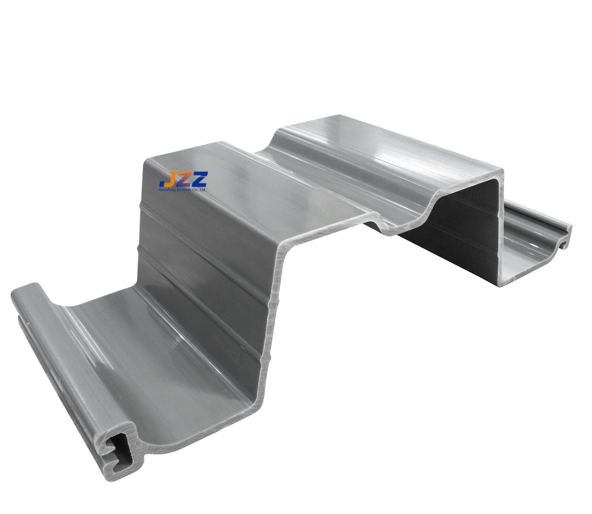
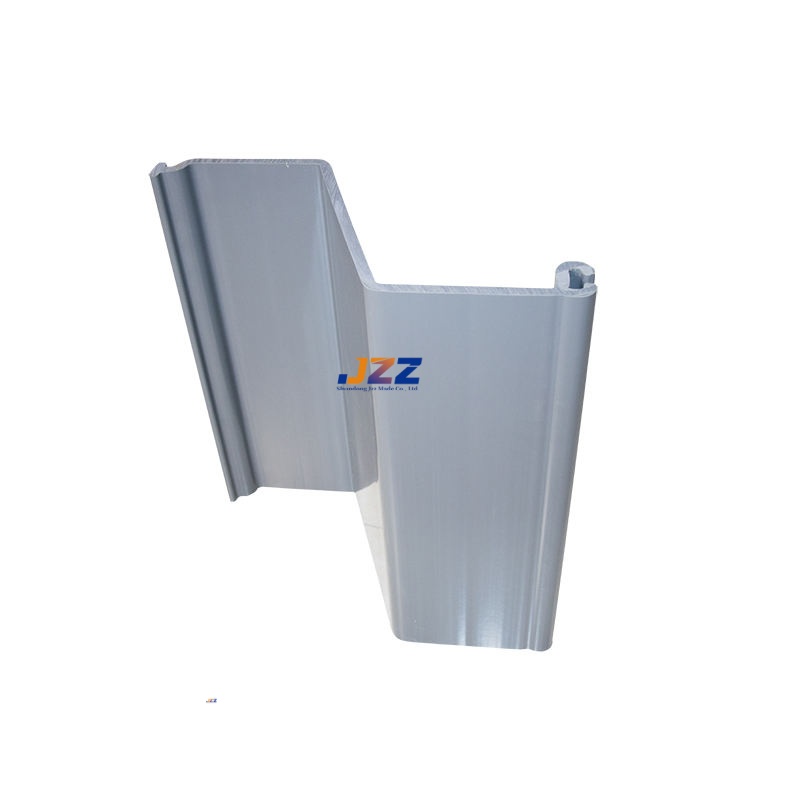
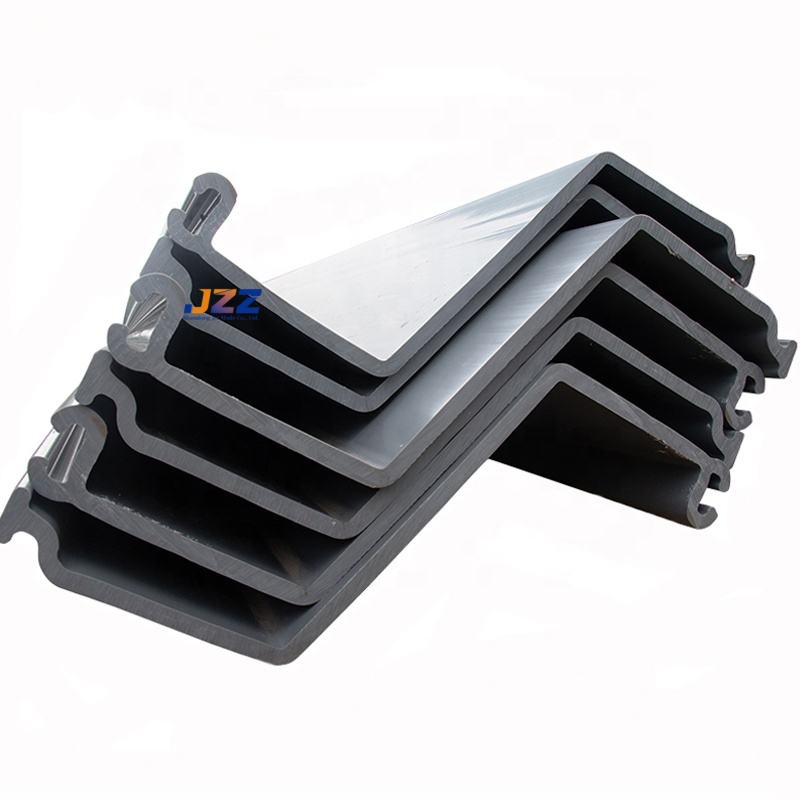
In municipal infrastructure, water conservancy projects, environmental protection engineering, and numerous other applications, steel sheet piles are indispensable for their support, water-retaining, and anti-seepage functions. However, traditional steel materials have long constrained project efficiency and cost control due to their heavy weight, reliance on heavy equipment, and lengthy construction cycles. Plastic steel sheet piles, leveraging their core advantages of lightweight construction and ease of installation, break through the limitations of traditional materials. They have become the preferred solution for lightweight engineering and complex working conditions, injecting new vitality into various construction projects.
The lightweight nature of plastic steel sheet piles makes them a true “load-reducing marvel” for construction projects. With a density approximately one-seventh that of traditional steel, each pile’s weight is significantly reduced, eliminating the need for heavy equipment like cranes or pile drivers. Whether navigating narrow urban alleys, rural roads inaccessible to heavy machinery, or projects near waterfront landscapes and residential areas demanding minimal environmental disturbance, manual labor combined with compact equipment suffices for transportation, assembly, and pile driving. This approach not only reduces equipment rental costs but also overcomes spatial constraints on construction sites, freeing complex projects from the shackles of limited maneuverability.
The streamlined and efficient construction process further amplifies the application value of plastic steel sheet piles. Unlike traditional steel sheet piles that require pre-treatment for corrosion protection and generate noise pollution during pile driving, plastic steel sheet piles feature a modular design with precisely matched joints. Eliminating complex pre-treatment procedures, they can be rapidly assembled on-site, significantly shortening the construction cycle. For scenarios like soft soil foundations and temporary support, their lightweight nature effectively prevents excessive compaction damage to the ground. The pile-driving process is smooth and low-noise, making them suitable for both the accelerated demands of temporary projects like highway expansion and pipeline laying, as well as the precision and environmental requirements of landscape water systems and rural infrastructure.
The lightweight and easy-to-install advantages of plastic steel sheet piles enable efficient implementation across diverse scenarios. In projects like urban black and odorous water body remediation and rural riverbank protection, construction teams can rapidly erect waterfront retaining walls that balance soil conservation with ecological friendliness. In environmental projects like wastewater treatment plants and landfills, they enable impermeable enclosure construction without heavy equipment, preventing secondary contamination of surrounding soil and water bodies. For emergency flood control and pipeline repair projects, their modular assembly allows for “rapid deployment, swift construction, and immediate results,” securing critical time for emergency response.
Compared to traditional materials, plastic steel sheet piles retain the advantages of being lightweight and easy to install while also offering corrosion resistance, environmental sustainability through recyclability, and low maintenance costs. They address the pain points of traditional steel sheet piles—cumbersome construction and high anti-corrosion expenses—while overcoming the drawbacks of concrete piles, such as heavy weight and non-recyclability. As infrastructure projects increasingly demand efficiency, environmental sustainability, and cost control, plastic steel sheet piles are gradually replacing traditional materials due to their unique construction advantages. They are making significant contributions across municipal engineering, water conservancy, environmental protection, rural revitalization, and other fields, establishing themselves as an ideal material for modern engineering construction.