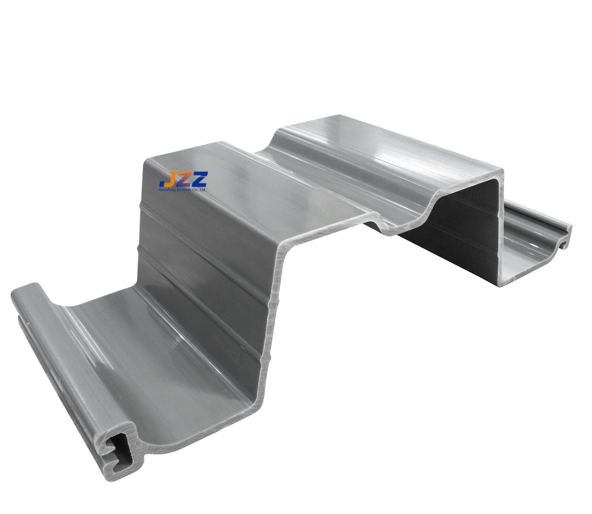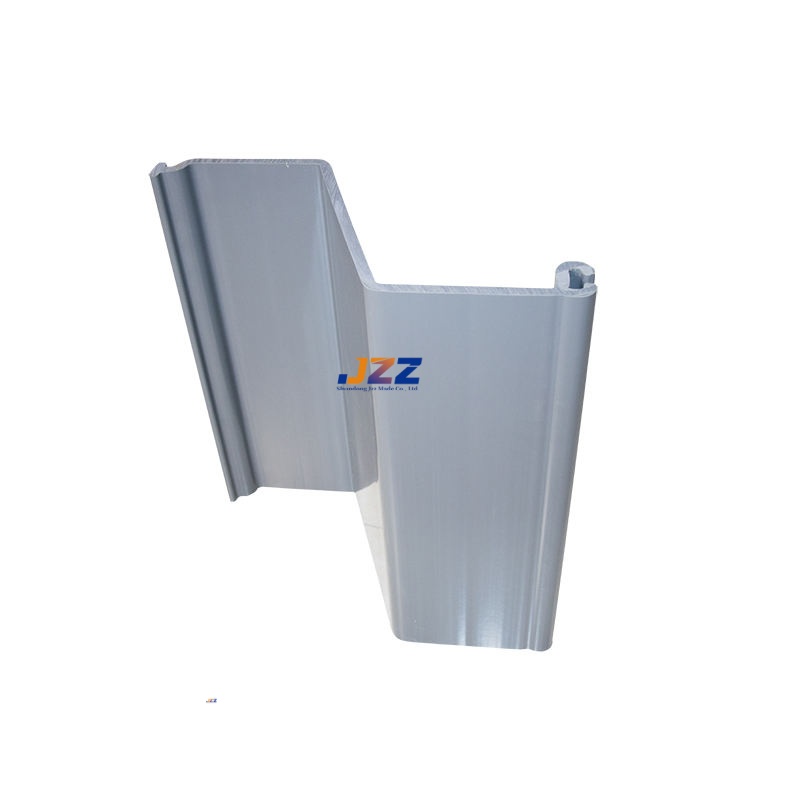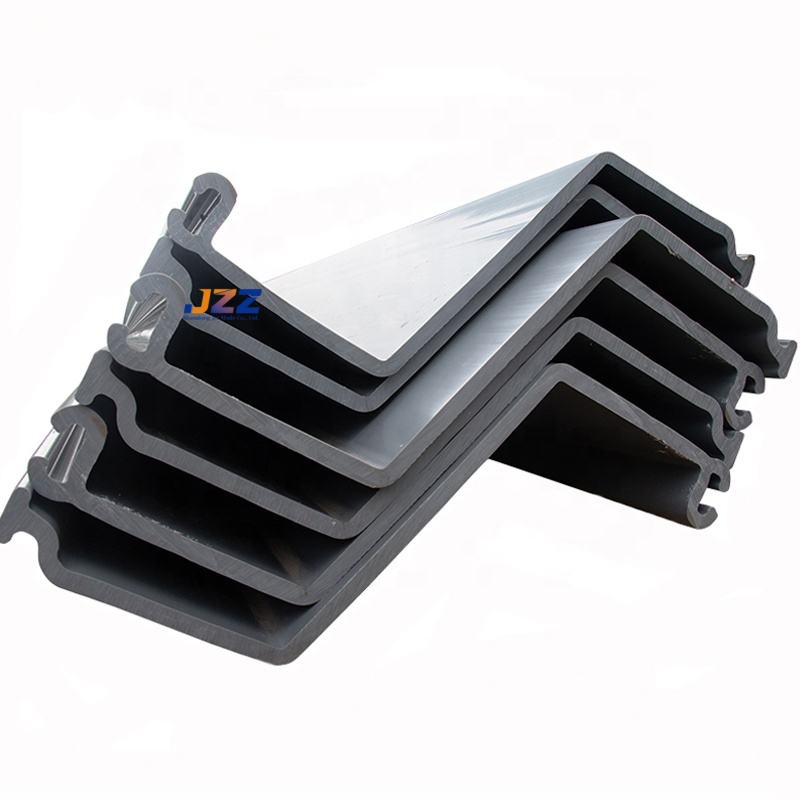
In the fields of water conservancy projects and ecological restoration, revetments serve as core facilities for resisting water erosion and stabilizing shorelines. Their construction philosophy is shifting from traditional “hard protection” to “ecological harmony.” The emergence and application of plastic steel sheet piles aligns perfectly with this trend, offering a new solution for ecological revetment construction that combines safety, environmental friendliness, and cost-effectiveness. This innovation has become a vital pillar for advancing the green upgrade of water conservancy projects.
Traditional revetments predominantly utilize rigid materials like concrete and stone. While these achieve the fundamental function of stabilizing shorelines, they often sever ecological connections between water bodies and land, impede the migration and reproduction of aquatic organisms, and disrupt the balance of coastal ecosystems. Plastic-steel sheet piles, however, effectively address the ecological shortcomings of conventional revetments through their unique material properties and structural advantages. Plastic-steel sheet piles utilize high-strength plastic as the base material, reinforced with steel. They combine the corrosion resistance and aging resistance of plastic with the high strength and rigidity of steel. Not only do they have a long service life, but they also require minimal maintenance, significantly reducing long-term operational costs.
In terms of ecological adaptability, plastic-steel sheet pile revetments demonstrate significant advantages. Their construction process is relatively straightforward, utilizing a modular assembly method that minimizes disruption to the original shoreline topography and vegetation, thereby preserving the native ecological environment to the greatest extent possible. Additionally, the specialized structure of plastic-steel sheet piles incorporates ecological voids or integrates with materials like geotextile bags and vegetated concrete. This creates habitats for aquatic animals to dwell and reproduce while fostering growth environments for terrestrial plants, gradually establishing an integrated “water-shore-forest” ecosystem. Furthermore, the recyclable nature of plastic-steel sheet pile materials avoids environmental pollution caused by traditional waste disposal, aligning with green development principles.
Practical applications demonstrate that plastic-steel sheet pile ecological revetments are widely deployed in river management, lake restoration, port slope protection, and other fields. In small-to-medium river management, reinforcing shorelines with plastic-steel sheet piles effectively resists water erosion. Combined with riparian vegetation planting, this approach improves river ecosystems and enhances water self-purification capacity. In lake ecological restoration projects, plastic-steel sheet pile revetments integrated with wetland construction provide favorable habitats for birds, fish, and other organisms, promoting ecosystem recovery and stability. Compared to traditional revetment projects, plastic-steel sheet pile revetments offer shorter construction cycles and more cost-effective solutions while balancing ecological and social benefits, achieving synergistic development between engineering construction and ecological conservation.
As ecological civilization advances, ecological demands on water conservancy projects continue to rise. Plastic steel sheet pile ecological revetments, with their unique advantages, break through the limitations of traditional revetments that prioritize protection over ecology, injecting new vitality into ecological revetment construction. In the future, with continuous innovation in material technology and ongoing optimization of construction techniques, the application prospects of plastic steel sheet piles in ecological revetment will become even broader. They will undoubtedly play a greater role in promoting the green transformation of water conservancy projects and safeguarding aquatic ecosystems.