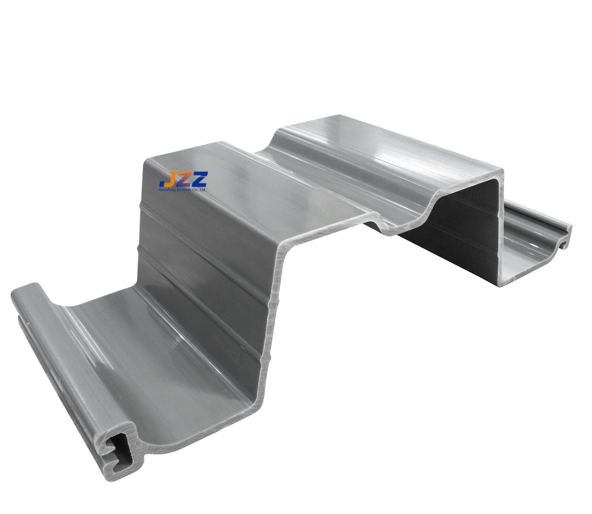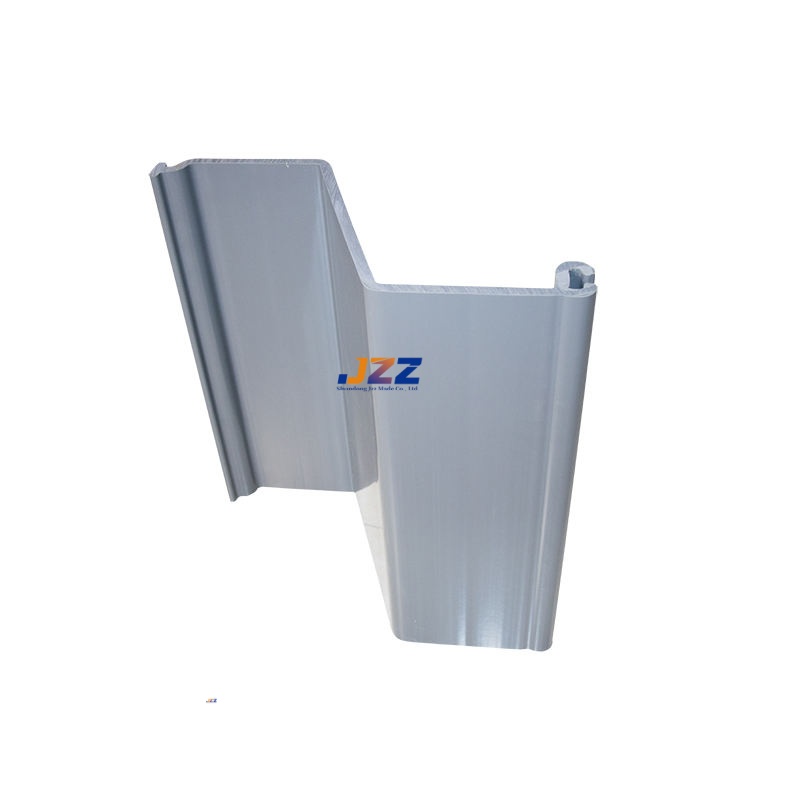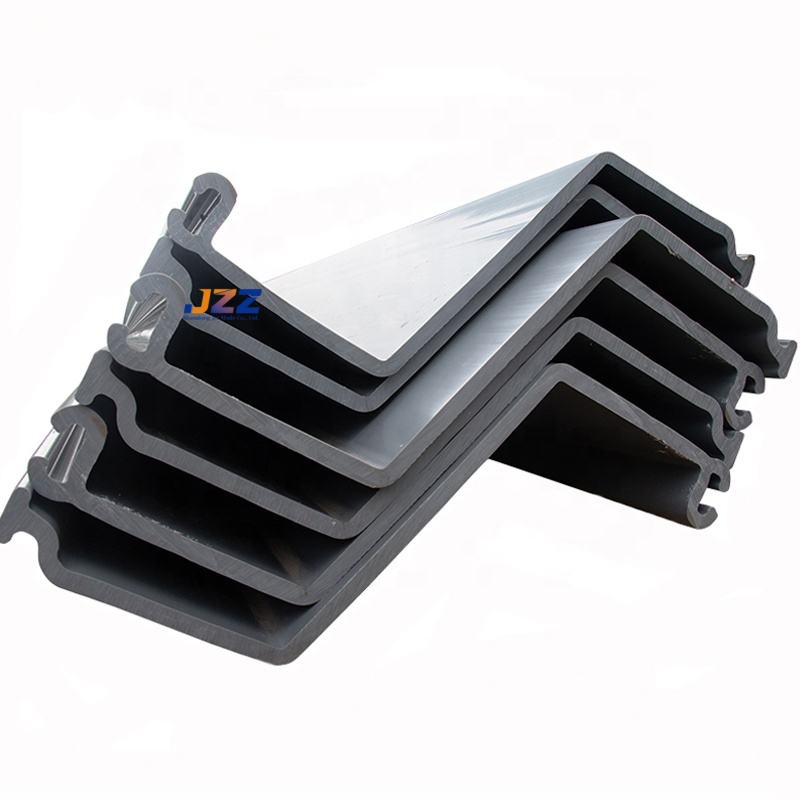
In underwater and near-water projects such as bridges, waterways, and hydraulic engineering, cofferdams serve as core temporary facilities ensuring construction safety. Their primary function is to isolate water bodies and create dry working environments. As civil engineering demands greater emphasis on environmental sustainability and cost-efficiency, the limitations of traditional cofferdams have become increasingly apparent. Plastic steel sheet pile cofferdams, leveraging their unique advantages, have evolved from emerging technologies into mainstream solutions, emerging as a vital force driving high-quality development in engineering.
Material innovation constitutes the core advantage of plastic steel sheet pile cofferdams. Manufactured using PVC polymer modification, they overcome the corrosion susceptibility of traditional steel and the bulkiness of concrete. These cofferdams exhibit exceptional corrosion resistance, boast a service life exceeding 50 years, and require minimal maintenance. Simultaneously, plastic steel sheet piles boast high strength and excellent toughness while weighing only 1/5 to 1/6 of traditional steel sheet piles, facilitating transportation and hoisting. Furthermore, their recyclable nature aligns with green construction principles. The C-clamp slots and T-shaped connectors form a tightly sealed impermeable wall, providing inherent protection against seepage in cofferdams.
Scientific construction techniques are crucial for maximizing the performance of plastic-steel sheet pile cofferdams, with the core process being “Preparation-Driving-Sealing-Acceptance.” The preparation phase involves completing foundational tasks such as surveying and layout, as well as excavating guide trenches. The driving phase employs a single-pile sequential driving method, achieving efficiency over five times higher than traditional techniques. The seepage prevention stage employs a composite “pile body + geomembrane” design to ensure stable impermeability. The acceptance stage focuses on inspecting pile positioning, verticality, interlocking strength, and seepage prevention effectiveness to guarantee underwater operation safety.
Plastic steel sheet pile cofferdams offer strong adaptability and high cost-effectiveness, finding widespread application across multiple engineering fields. In water conservancy projects, the Zhuhai Qianwu Dayong Sluice Gate reconstruction utilized this technology to achieve dual guarantees of construction efficiency and safety. For river channel remediation, multiple projects in Zhejiang employed it to address soft soil foundations while balancing flood control and ecological conservation. In bridge foundation construction, it effectively handles deep water and thick silt layers, reducing complexity and saving over 30% in investment—fully demonstrating its irreplaceable value in complex scenarios.
Looking ahead, advancements in material technology and construction techniques will broaden the application prospects of plastic steel sheet pile cofferdams. Under deepening green building principles, their environmental advantages will become more prominent. Integration with IoT and smart devices holds promise for achieving precise construction control and safety early warning systems. Their widespread adoption not only drives innovation in cofferdam technology but also propels the civil engineering industry’s transition from “traditional and extensive” to “green and efficient,” delivering superior solutions for underwater and near-water projects.