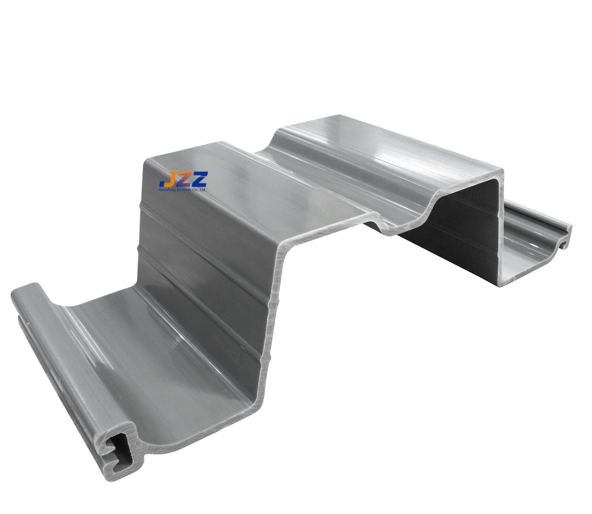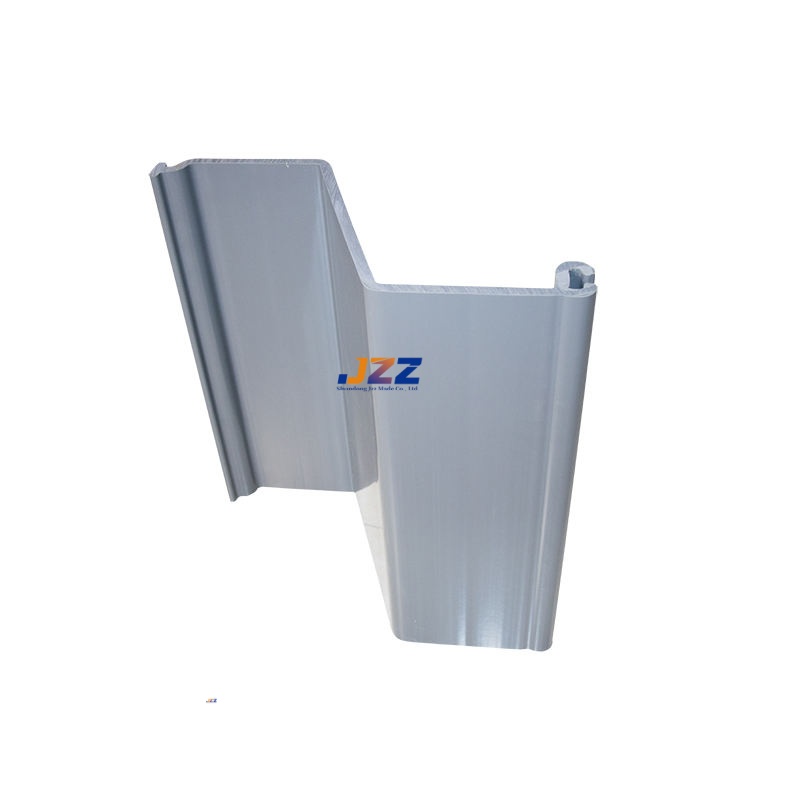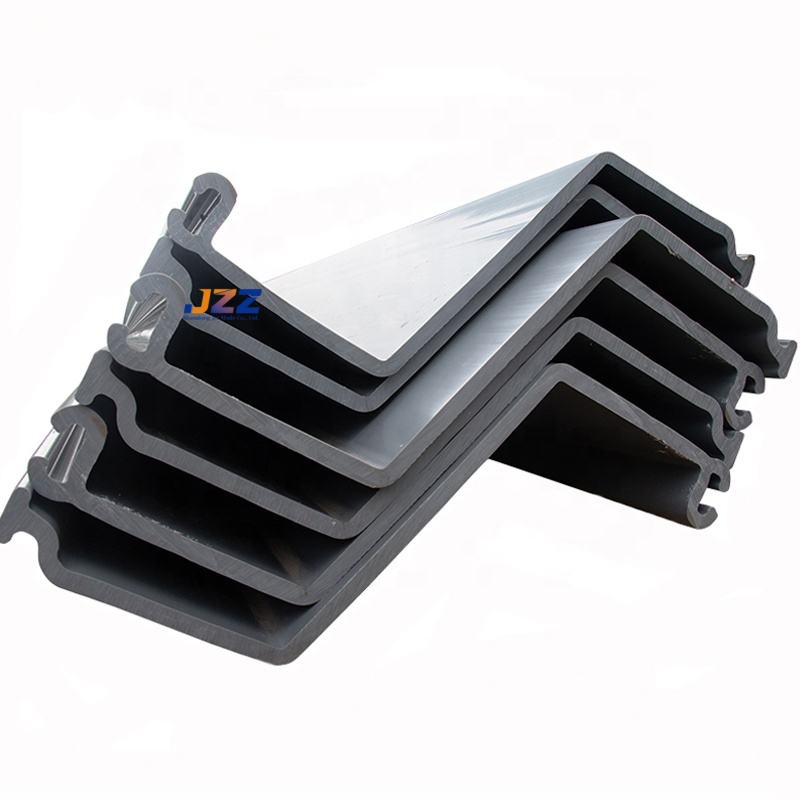
Flood control and disaster mitigation are the primary missions of water conservancy projects, with bank stability and impermeability against erosion being crucial for withstanding floods. As water conservancy technologies advance, plastic steel sheet piles—a new composite material retaining structure—have gained widespread application in flood control projects due to their strong adaptability and superior performance, providing a solid foundation for fortifying flood defense systems.
Compared to traditional flood protection materials, plastic-steel sheet piles better align with hydraulic flood control requirements. Fabricated from polymer composite materials, they overcome the drawbacks of conventional steel sheet piles—bulky weight, susceptibility to corrosion, and high maintenance costs—as well as the weaknesses of wooden piles—fragility, susceptibility to decay, and short lifespan. Plastic steel sheet piles exhibit corrosion resistance and UV stability, maintaining robust performance across diverse aquatic environments without frequent maintenance, thereby reducing operational costs. Their lightweight design enables flexible construction, allowing rapid deployment in scenarios such as plain riverbank protection and emergency mountain stream response. During flood seasons, they facilitate efficient wall formation, buying critical time for emergency response.
Plastic-steel sheet piles demonstrate significant value in hydraulic flood control. During river channel remediation, their tight interlocking joints and excellent impermeability effectively resist water erosion and reduce soil loss. In reservoir reinforcement, they form impermeable curtains within dam bodies, enhancing stability and minimizing seepage risks. For urban flood prevention, they enable rapid construction of temporary flood barriers to contain water accumulation. Following their implementation in a flood embankment reinforcement project along a southern river, the embankment’s erosion resistance increased by over 40%. This successfully withstood multiple heavy rainfall floods, safeguarding the lives and property of residents along the riverbank.
As ecological water conservancy concepts gain traction, the environmental advantages of plastic steel sheet piles become increasingly evident. Their raw materials are recyclable, and production and construction processes emit no pollutants, causing no contamination to water bodies or soil. Through specialized structural design, they can also reserve habitats for aquatic organisms, aiding in the restoration and balance of river ecosystems. Combining safety protection with ecological conservation, plastic steel sheet piles have become the preferred material for modern water conservancy and flood control projects.
Leveraging innovative material properties and versatile application advantages, plastic-steel sheet piles have reshaped the landscape of water conservancy and flood control construction. In the future, as technology continues to advance, they will play an even greater role in fortifying flood safety barriers and driving high-quality development in water conservancy.