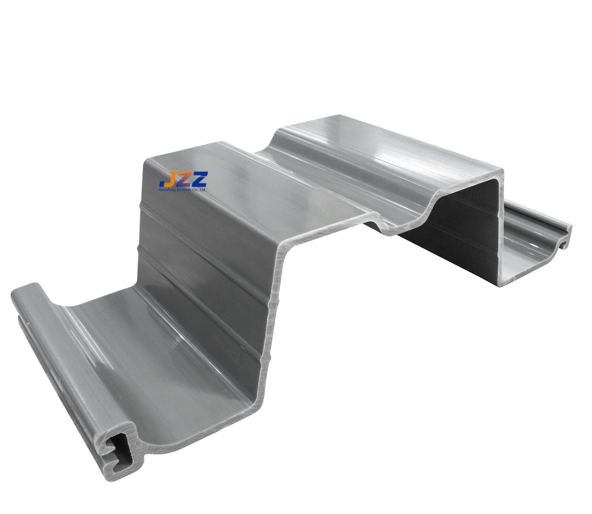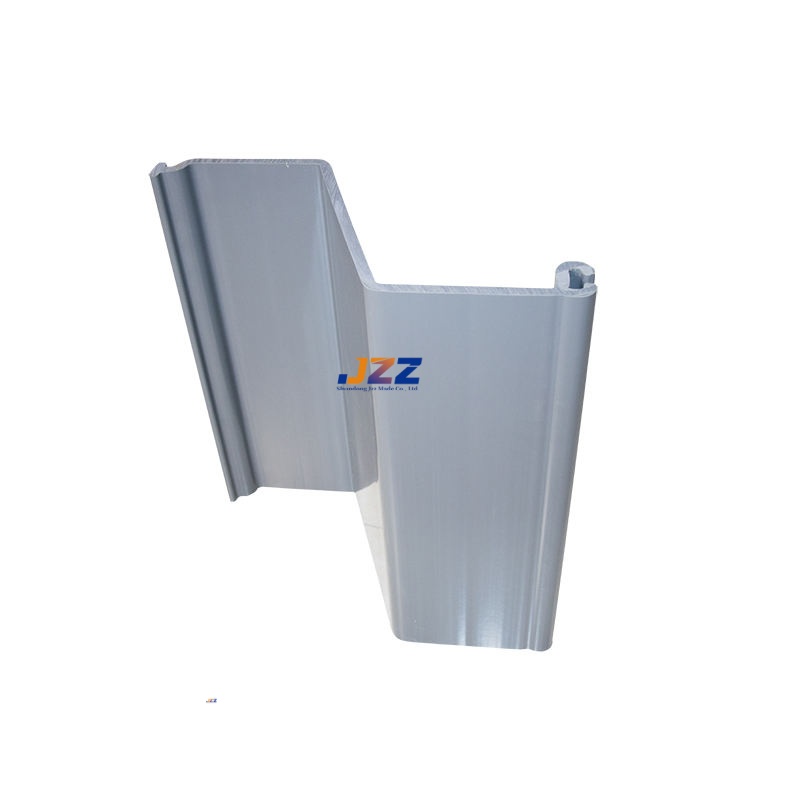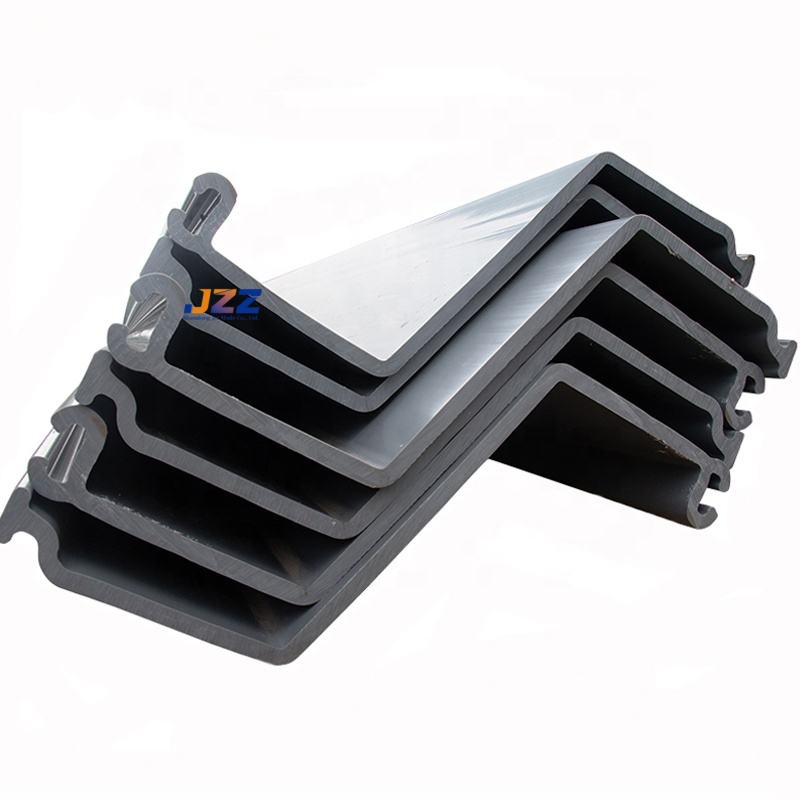
With the continuous advancement of ecological and environmental protection concepts, environmental engineering projects impose increasingly stringent requirements on the eco-friendliness, impermeability, and durability of construction materials. As a new polymer composite product, plastic steel sheet piles have overcome the limitations of traditional support materials through their core attributes of environmental sustainability, corrosion resistance, impermeability, and ease of installation. They have gained widespread application in environmental engineering, emerging as an ideal solution that balances engineering protection with ecological conservation.
In wastewater treatment, plastic steel sheet piles serve as an “invisible barrier” against sewage seepage. Whether protecting tanks in municipal wastewater treatment plants or providing leak-proof construction for industrial wastewater facilities, these sheet piles form a seamless impermeable system through their tightly interlocking structure. This effectively prevents sewage and wastewater leakage, avoiding contamination of soil, groundwater, and surrounding water bodies. Their non-toxic, harmless material properties prevent reactions with various wastewater types, meeting stringent environmental engineering standards. Additionally, installation requires minimal excavation, reducing disturbance to surrounding environments and accelerating the construction of wastewater treatment facilities.
In landfill ecological remediation, plastic steel sheet piles effectively resolve seepage pollution challenges. Leachate generated during landfill operations can cause persistent ecological pollution if improperly managed. Plastic steel sheet piles serve as slope support and auxiliary impermeable materials, simultaneously reinforcing landfill slopes to prevent landslides and soil erosion while blocking leachate leakage. This cuts off pollution pathways, safeguards surrounding soil and water ecosystems, and reduces environmental remediation costs.
In aquatic ecosystem restoration projects, plastic steel sheet piles demonstrate their green advantages. In scenarios like river dredging, constructed wetland development, and ecological buffer zone creation, these sheet piles enable rapid construction of temporary cofferdams. They precisely demarcate work zones, preventing silt dispersion and wastewater leakage during dredging operations while protecting aquatic habitats. Additionally, their recyclable and reusable nature allows for swift dismantling after construction with no residual construction waste, perfectly aligning with green construction principles. This facilitates efficient restoration and long-term stability of aquatic ecosystems.
Compared to traditional environmental support materials, plastic steel sheet piles require no anti-corrosion treatment, boast a long service life, and are fully recyclable—truly achieving “green construction and resource conservation.” Today, they are widely adopted in various environmental projects, ensuring both construction quality and protective efficacy while advancing environmental engineering toward greener, more efficient, and low-carbon practices. This provides reliable engineering support for ecological conservation.