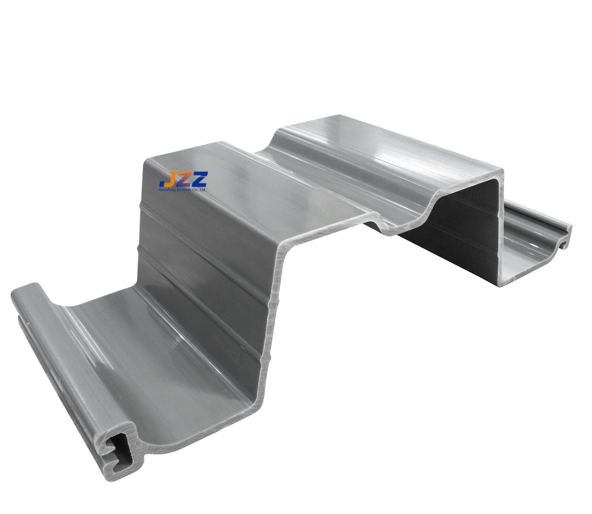
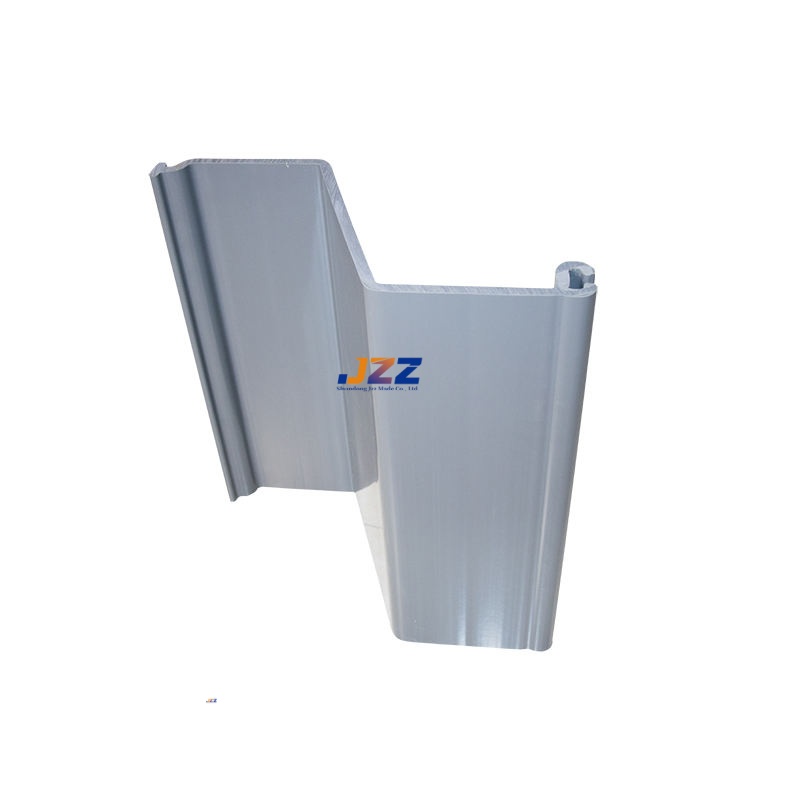
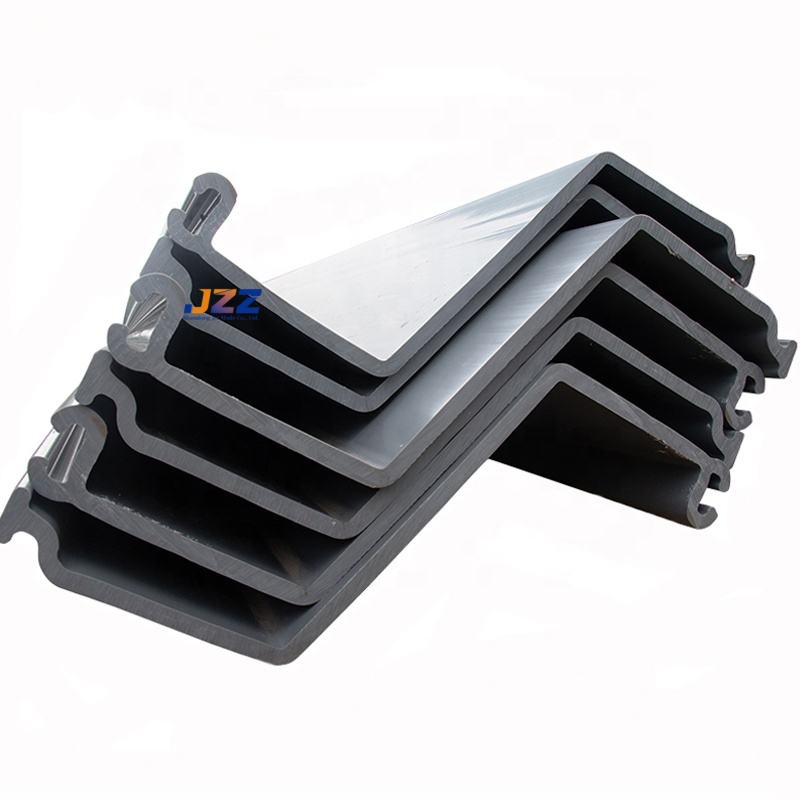
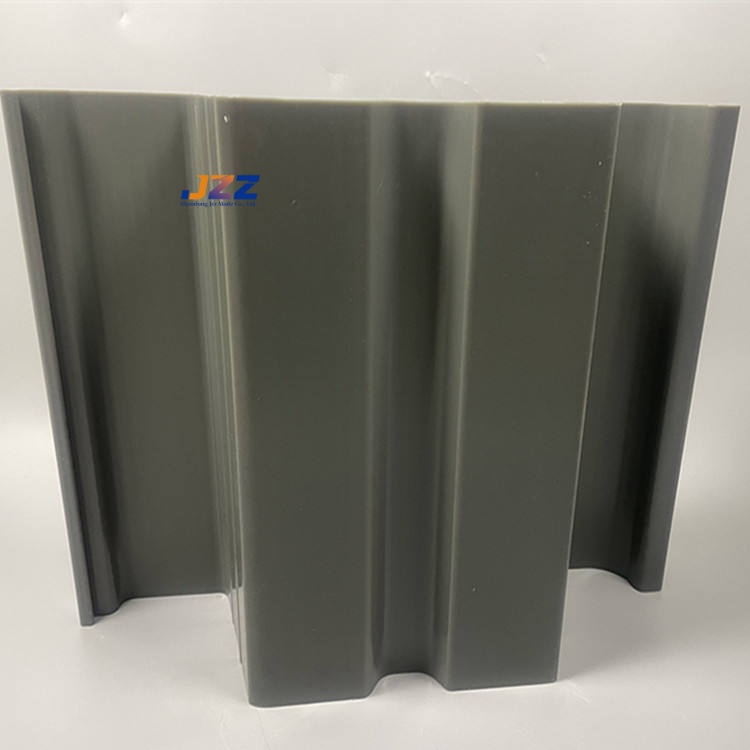
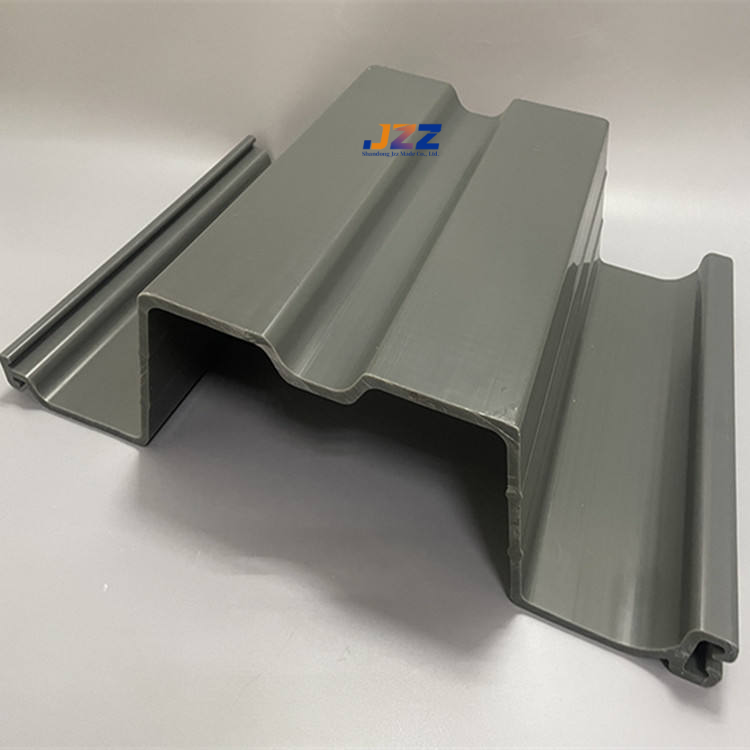
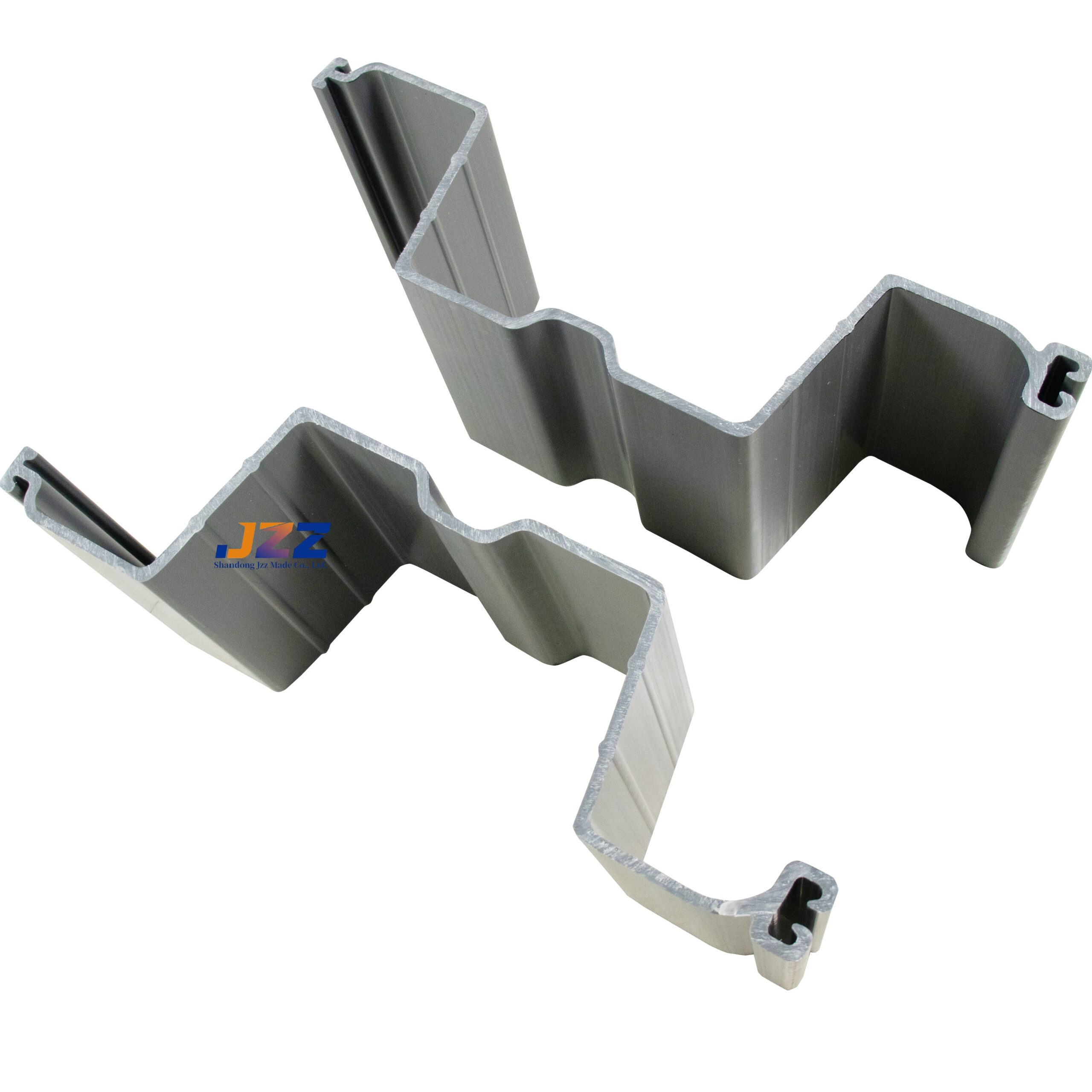
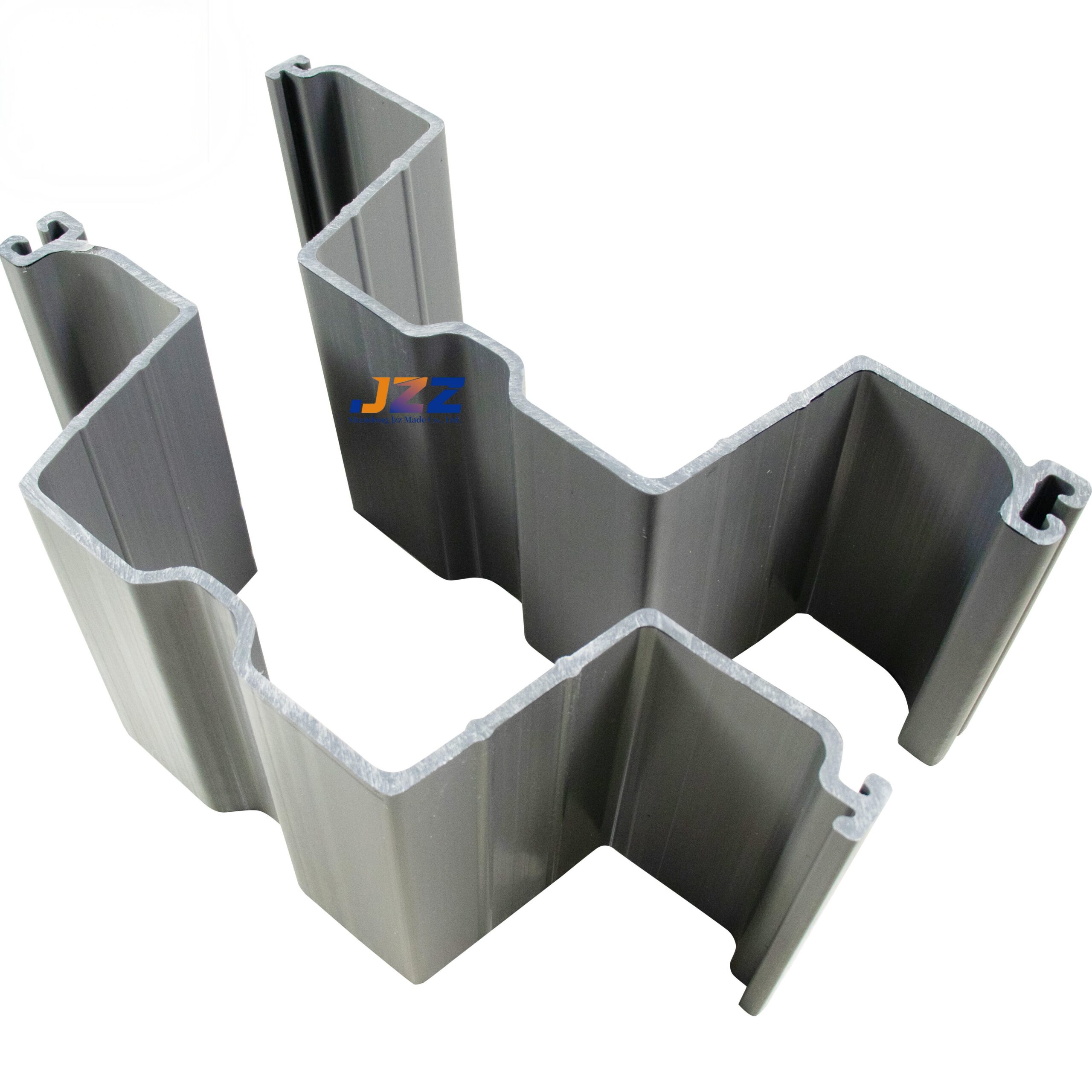
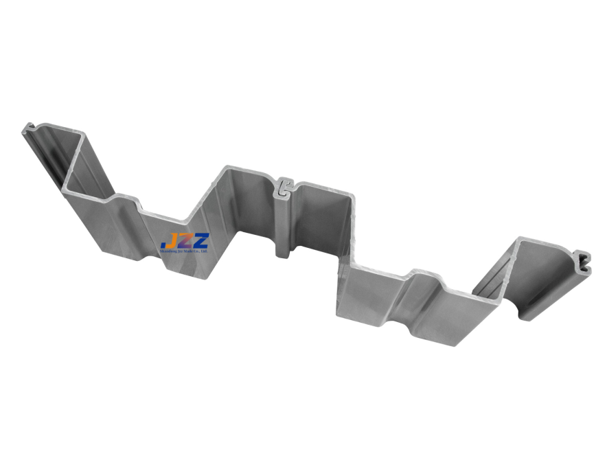
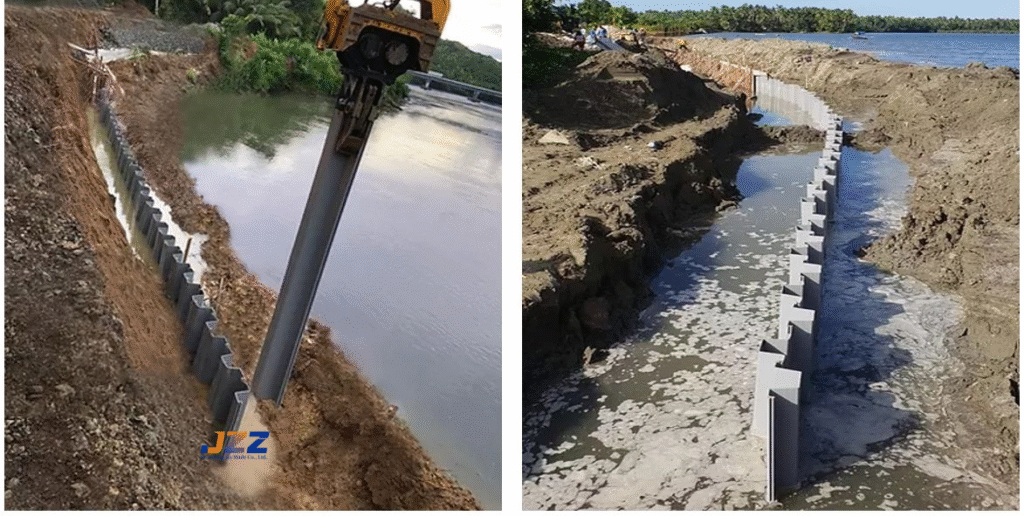
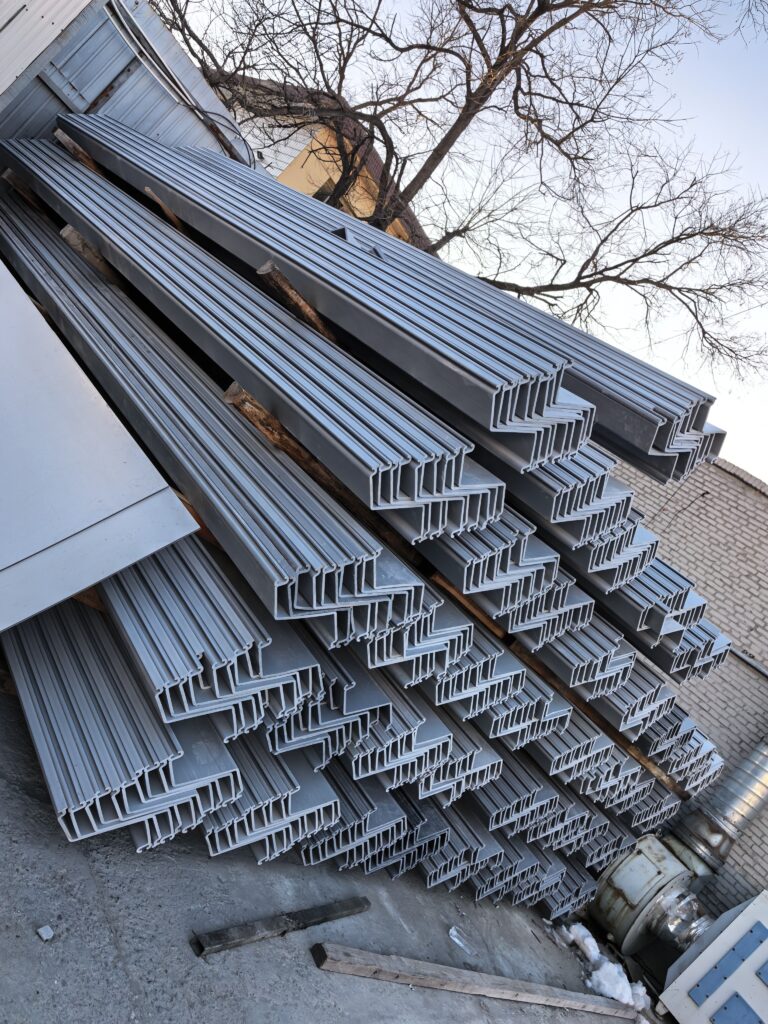
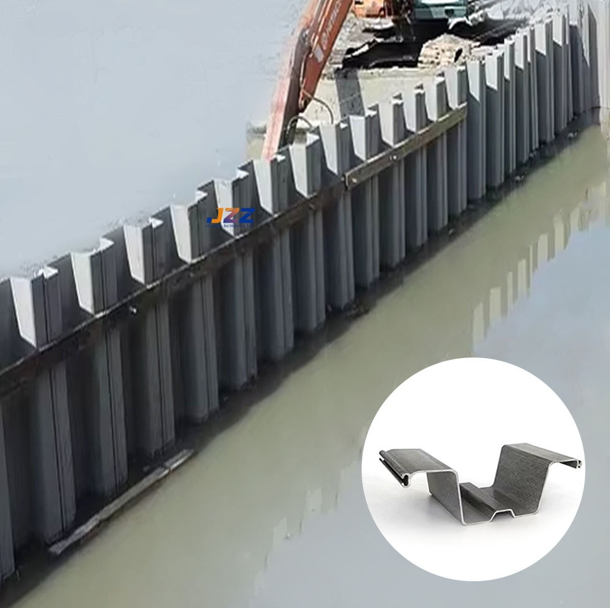
In core hydraulic engineering projects such as embankment reinforcement, seepage prevention, and erosion control, polymer plastic steel sheet piles have emerged as a revolutionary alternative to traditional steel and concrete sheet piles. With their acid and alkali resistance verified by authoritative testing and certification, coupled with an exceptionally long service life of up to 50 years, they provide long-term assurance for embankment safety in complex environments like coastal areas and saline-alkali soils.
Whether subjected to prolonged immersion in high-salinity seawater, brackish water estuaries, acidic soils in saline-alkali regions, or alkaline water bodies near industrial wastewater discharge zones, these panels effectively resist electrochemical corrosion, microbial erosion, and chemical medium degradation. This completely resolves the industry-wide challenges of traditional steel sheet piles rusting over time and concrete sheet piles suffering acid-alkali dissolution. Whether subjected to prolonged immersion in high-salinity seawater, brackish water estuaries, acidic soils in saline-alkali regions, or alkaline water bodies in industrial wastewater discharge zones, this panel effectively resists electrochemical corrosion, microbial erosion, and chemical medium degradation. It fundamentally resolves the industry-wide challenges of traditional steel sheet piles rusting over time and concrete sheet piles suffering acid-alkali dissolution.
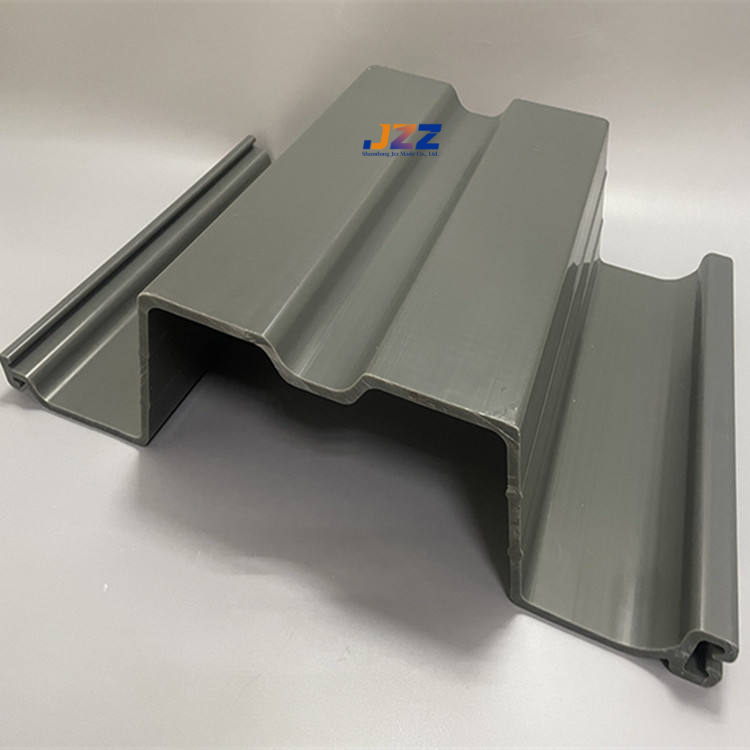
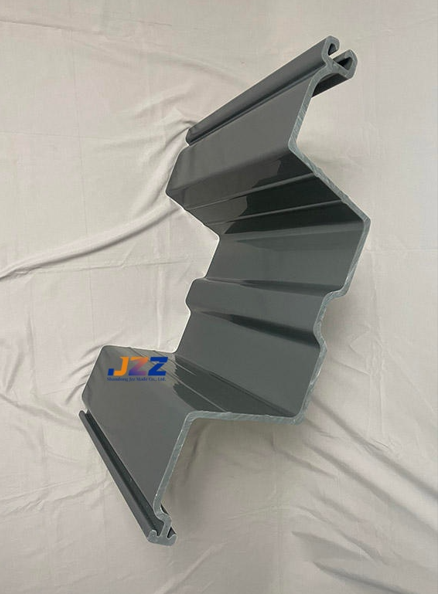
Backed by stable chemical properties and optimized structural design, polymer plastic steel sheet piles have demonstrated a service life exceeding 50 years in engineering practice—far surpassing conventional materials. Ordinary steel sheet piles last only 5-10 years in hydraulic environments, while concrete sheet piles typically require renovation after 15-20 years due to cracking and leakage. This advantage stems from multiple core safeguards: the material itself contains no corrosive components, eliminating the need for additional anti-corrosion coatings; the use of interlocking joints like the CT-shaped design creates a seamless, continuous barrier after assembly, preventing corrosive media from penetrating through joints; the product boasts a compressive strength of 80MPa with excellent impact resistance and aging resistance, adapting to foundation deformation in embankments and extreme weather impacts.
For dam projects, a 50-year lifespan means no replacement of sheet piles is required throughout the design service life. This significantly reduces labor and material inputs for later maintenance and emergency repairs, lowering the full-cycle cost by over 30% compared to traditional materials. Additionally, its lightweight nature (weighing only 1/5 to 1/8 of steel sheet piles of the same specification) eliminates the need for large lifting equipment, boosting construction efficiency by fivefold. It can operate under complex conditions such as rainy weather or water surfaces, minimizing disturbance to the dam’s original structure during construction. This achieves the engineering value of “one-time installation, long-term benefits.”
Beyond acid/alkali resistance and longevity, these polymer plastic sheet piles are manufactured with eco-friendly formulations free of lead, plasticizers, and other harmful substances. The material is 100% recyclable, preventing water and soil contamination while meeting ecological conservation requirements for water conservancy projects. Their smooth, burr-free surfaces prevent damage to aquatic habitats. Available in diverse colors and profiles, they blend seamlessly with surrounding environments, balancing practicality with aesthetic appeal. In scenarios such as river channel management, lake and reservoir bank protection, and seawall reinforcement, they simultaneously achieve four core objectives: embankment reinforcement, seepage prevention and erosion resistance, ecological sustainability, and long-term durability. This makes them the preferred material for modern water conservancy projects seeking cost reduction, efficiency enhancement, and green sustainability.