In the selection of materials for engineering support and bank protection, traditional wooden piles and steel sheet piles have long dominated. However, with the widespread adoption of green engineering concepts, plastic steel sheet piles have achieved iterative upgrades over traditional materials through their comprehensive advantages. The differences among these three materials in core performance, cost-effectiveness, and ecological sustainability have become key factors influencing engineering quality and efficiency.
Traditional wooden piles, while readily available, suffer from significant flaws: prolonged immersion causes decay, limiting their lifespan to just 3-5 years. They exhibit weak resistance to impact and compression, making them prone to fracture and collapse during flood seasons, posing serious safety hazards. Steel sheet piles, while offering high strength, suffer from inherent metal limitations—electrochemical corrosion rapidly degrades their strength, leading to high maintenance costs. Their substantial weight also results in high energy consumption during transportation and installation, keeping overall costs elevated and making them ill-suited for green engineering requirements.
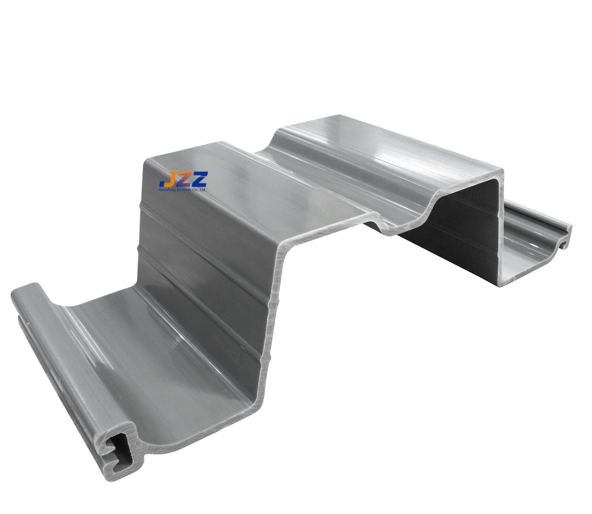
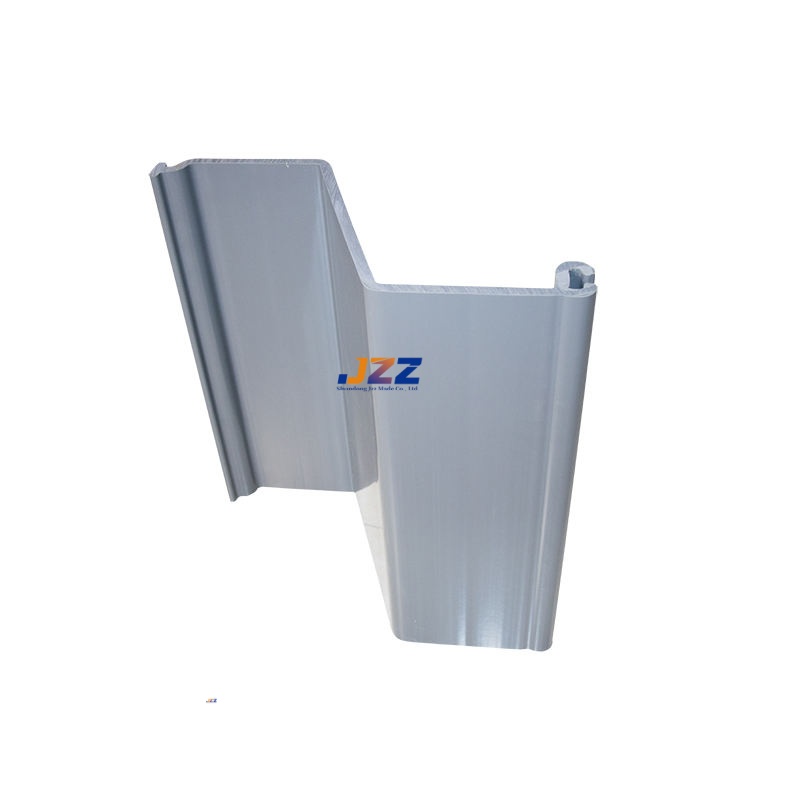
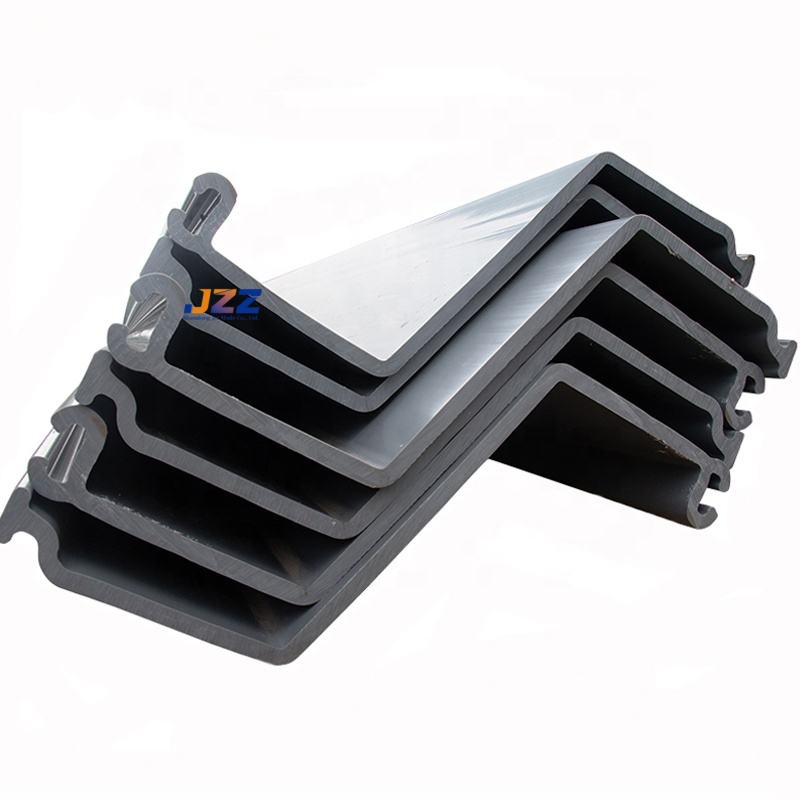
Plastic-steel sheet piles, utilizing polymer-reinforced composite materials as their base, precisely address the pain points of traditional materials. In terms of durability, they exhibit excellent resistance to acids, alkalis, and UV radiation. Testing confirms that tensile strength retention remains above 95% in pH environments ranging from 3.0 to 11.0, with a service life extending up to 50 years. Economically, they weigh only one-fifth of steel sheet piles of equivalent specifications, reducing comprehensive transportation and installation costs by 30% while boosting construction efficiency fivefold. No long-term maintenance investment is required. Ecologically, the material contains no heavy metals or plasticizers and is recyclable. Certain models feature reserved ecological voids that create habitats for fish and shrimp, enabling symbiosis between engineering and nature. This triple advantage of “durability + economy + environmental friendliness” makes it the preferred choice for modern engineering materials.
Traditional wooden piles, while readily available, suffer from significant flaws: prolonged immersion causes decay, limiting their lifespan to just 3-5 years. They exhibit weak resistance to impact and compression, making them prone to fracture and collapse during flood seasons, posing serious safety hazards. Steel sheet piles, while offering high strength, suffer from inherent metal limitations—electrochemical corrosion rapidly degrades their strength, leading to high maintenance costs. Their substantial weight also results in high energy consumption during transportation and installation, keeping overall costs elevated and making them ill-suited for green engineering requirements.
Plastic-steel sheet piles, utilizing polymer-reinforced composite materials as their base, precisely address the pain points of traditional materials. In terms of durability, they exhibit excellent resistance to acids, alkalis, and UV radiation. Testing confirms that tensile strength retention remains above 95% in pH environments ranging from 3.0 to 11.0, with a service life extending up to 50 years. Economically, they weigh only one-fifth of steel sheet piles of equivalent specifications, reducing comprehensive transportation and installation costs by 30% while boosting construction efficiency fivefold. No long-term maintenance investment is required. Ecologically, the material contains no heavy metals or plasticizers and is recyclable. Certain models feature reserved ecological voids that create habitats for fish and shrimp, enabling symbiosis between engineering and nature. This triple advantage of “durability + economy + environmental friendliness” makes it the preferred choice for modern engineering materials.