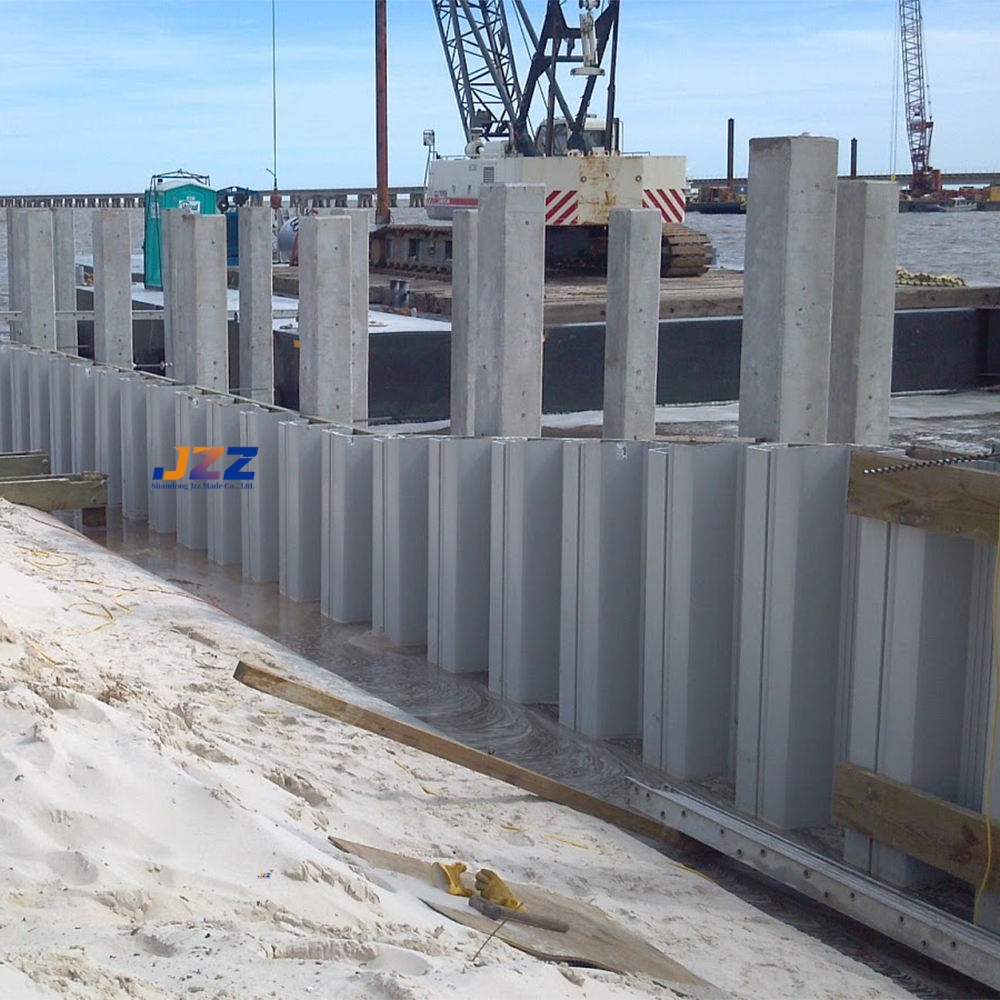
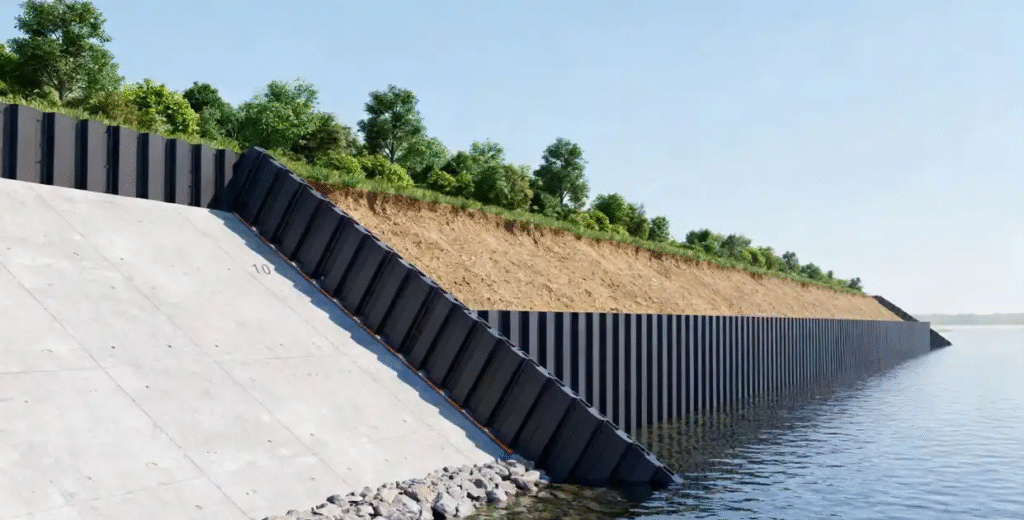
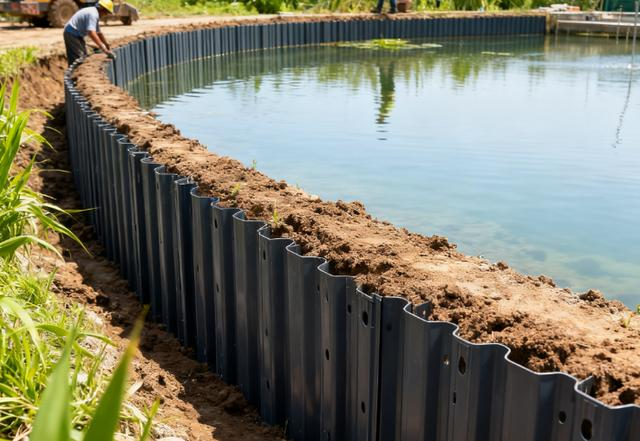
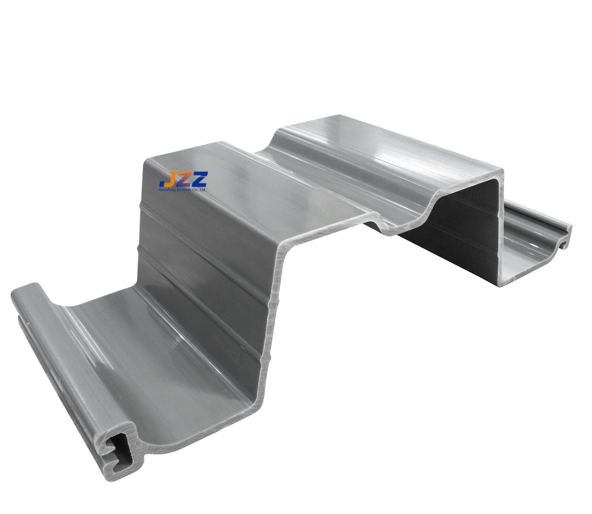
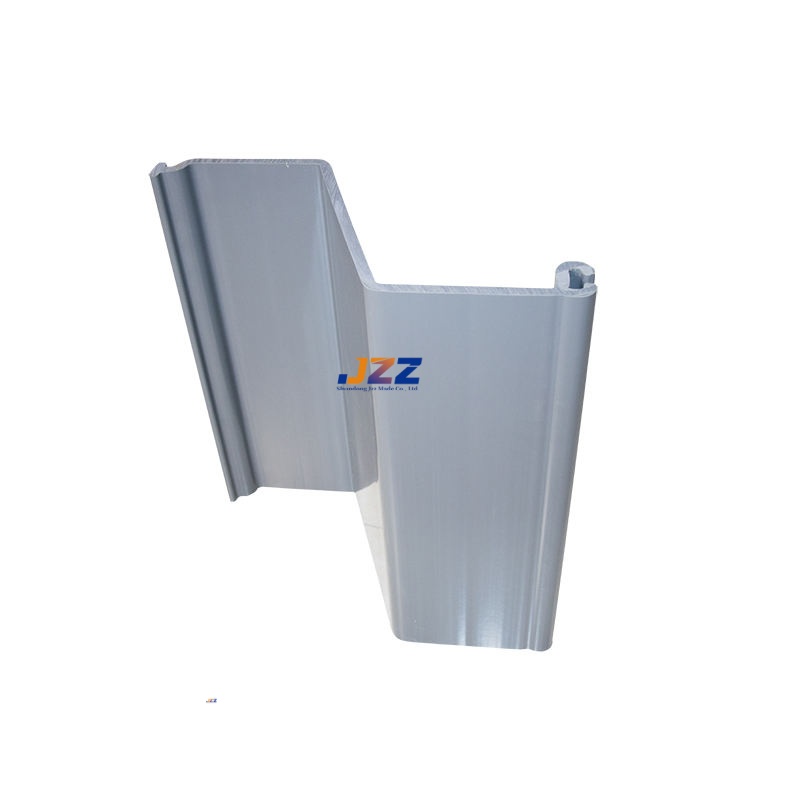
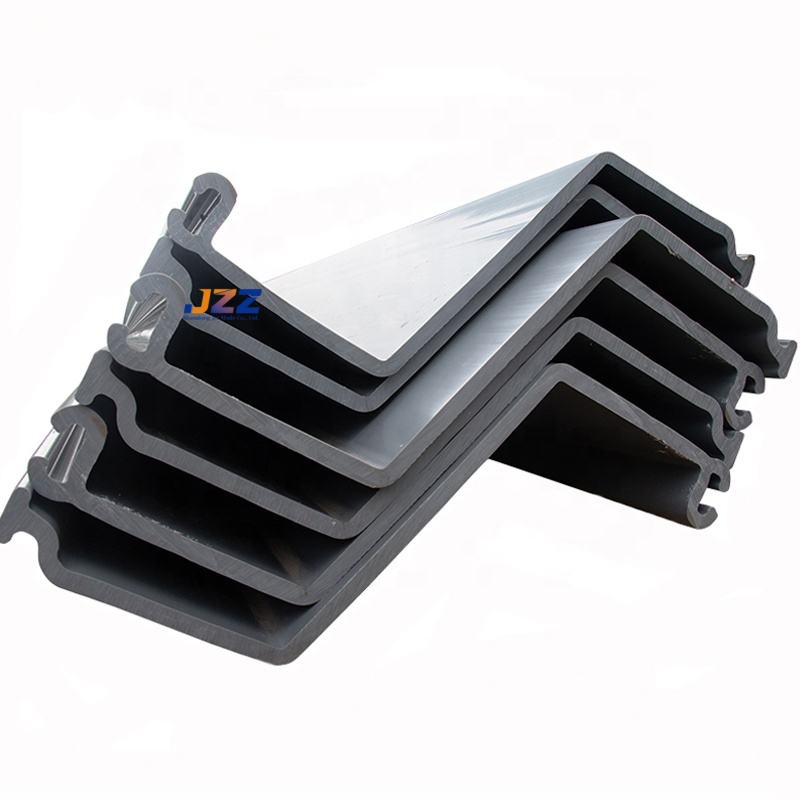
In engineering fields such as water conservancy protection, river management, and foundation pit support, the durability of materials directly determines project quality and service life. The drawbacks of traditional steel

In municipal infrastructure, water conservancy projects, environmental protection engineering, and numerous other applications, steel sheet piles are indispensable for their support, water-retaining, and anti-seepage functions. However, traditional steel materials have
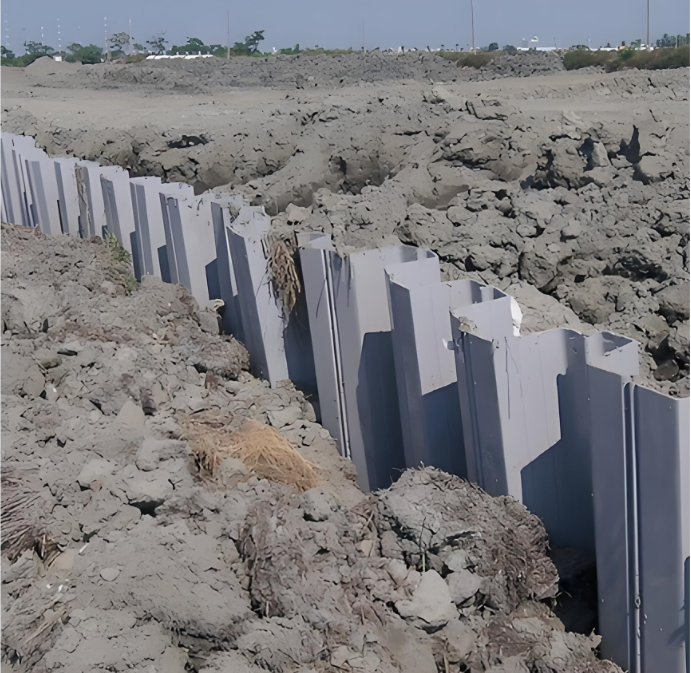
In highway, water conservancy, and rural road construction, subgrade protection is a critical factor in ensuring project stability and service life. Traditional protection materials often fall short of meeting modern

Flood impacts triggered by heavy rainfall during the flood season, along with potential risks such as dam seepage, directly threaten the safety of lives, property, and infrastructure along riverbanks. In

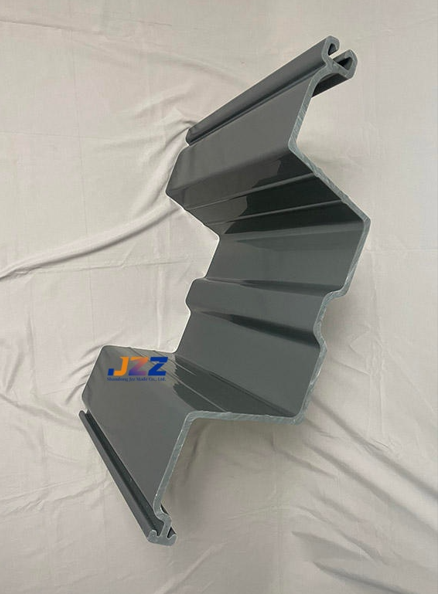
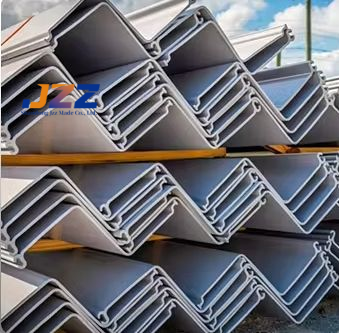
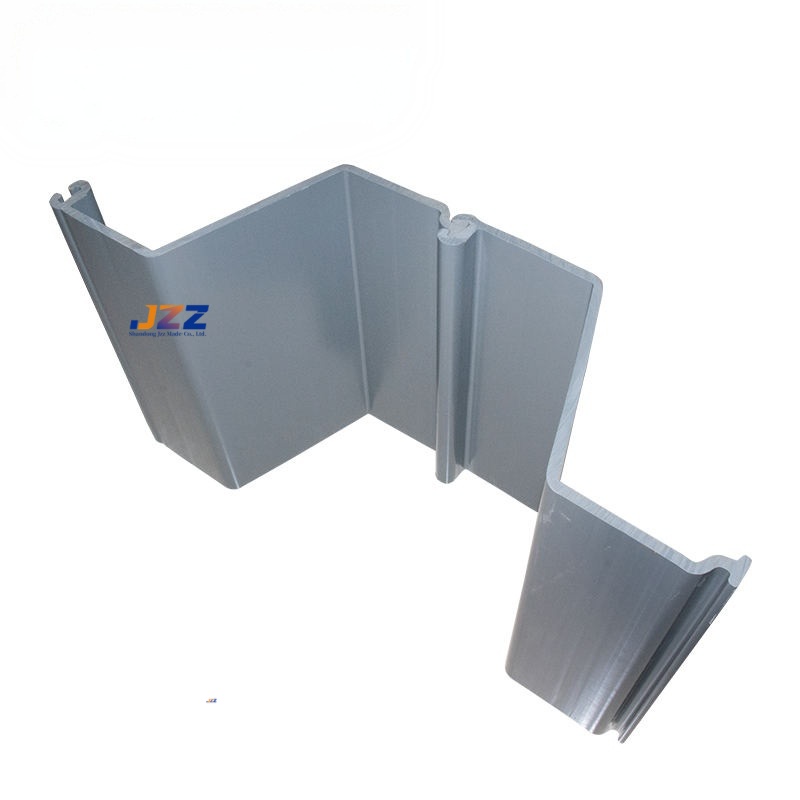
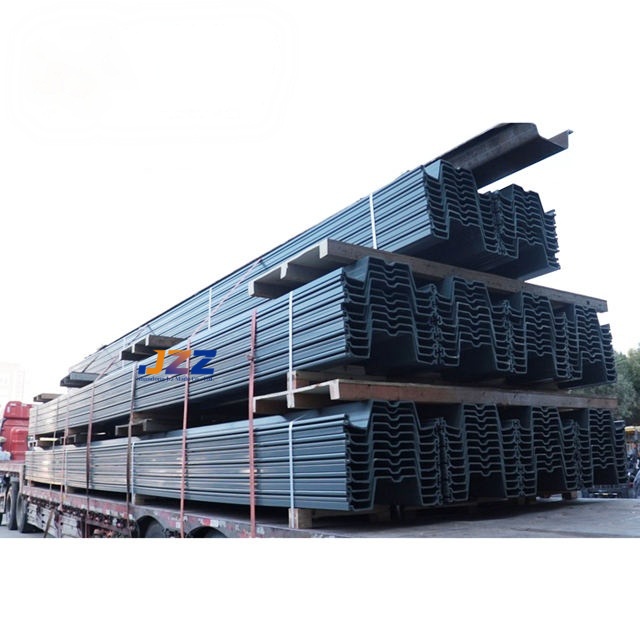
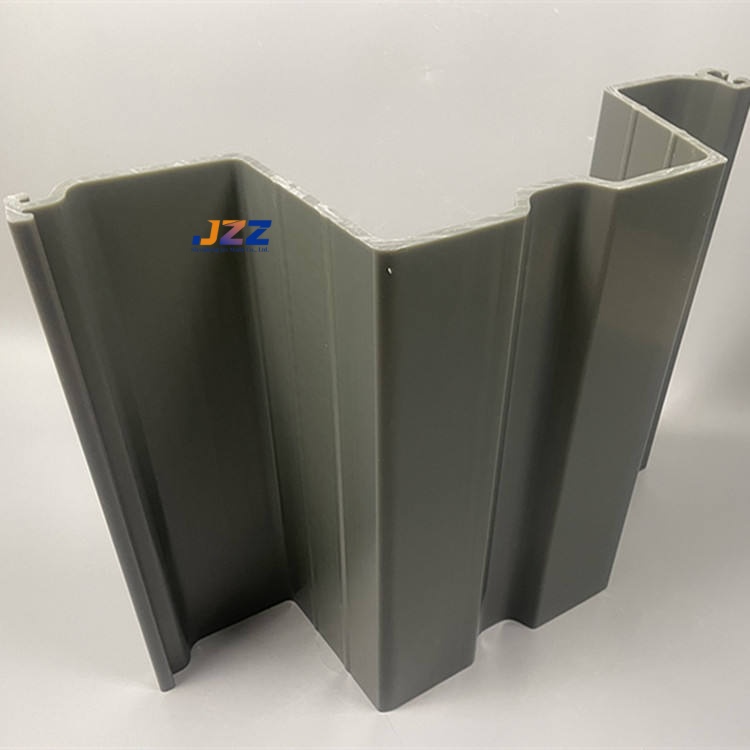
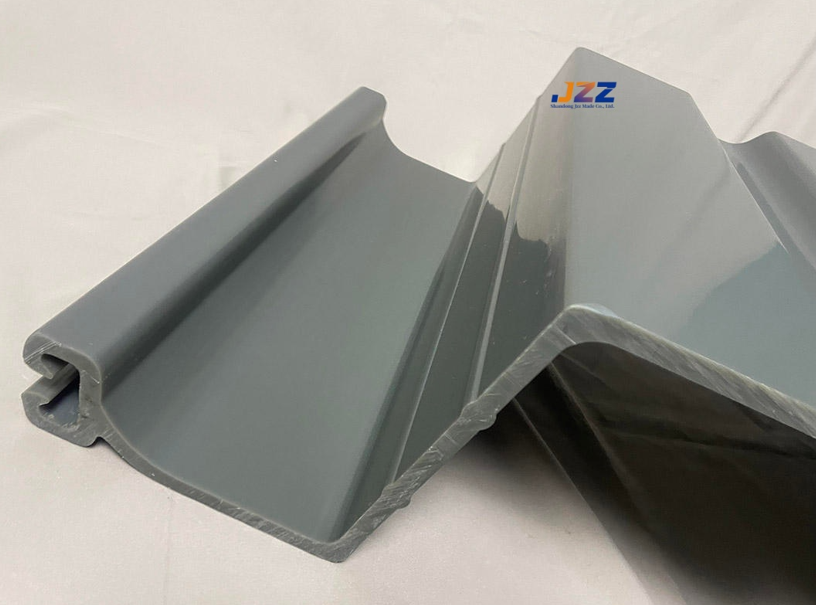
Amidst the wave of material innovation in engineering construction, plastic steel sheet piles leverage the inherent advantages of polymer composites and innovative process design to overcome the limitations of traditional

En el campo de la ingeniería de conservación del agua y control de inundaciones, la fiabilidad, el respeto al medio ambiente y los costes de mantenimiento operativo de las estructuras de protección de las riberas y de retención del agua determinan directamente la calidad del proyecto y la sostenibilidad a largo plazo.

In river management projects, the selection of bank protection materials directly determines project quality, ecological benefits, and overall costs. Traditional wooden piles are prone to decay, steel sheet piles consume

In engineering applications such as hydraulic bank protection, excavation shoring, and ecological remediation, the service life of materials and subsequent operational costs directly determine the project’s overall effectiveness. Traditional building

La zona costera sirve de interfaz entre la tierra y el mar y cumple múltiples funciones, entre ellas la regulación ecológica y la mitigación de catástrofes. Afectadas por la erosión natural y el desarrollo humano, cuestiones como

La gestión fluvial, como componente central de la conservación ecológica y el desarrollo de infraestructuras hídricas, sirve a múltiples objetivos críticos, como el control de inundaciones, el drenaje, la mejora de la calidad del agua, el refuerzo de la línea costera y la restauración ecológica. Se puede consultar en

Últimas actualizaciones

Últimos productos

Enviar consulta