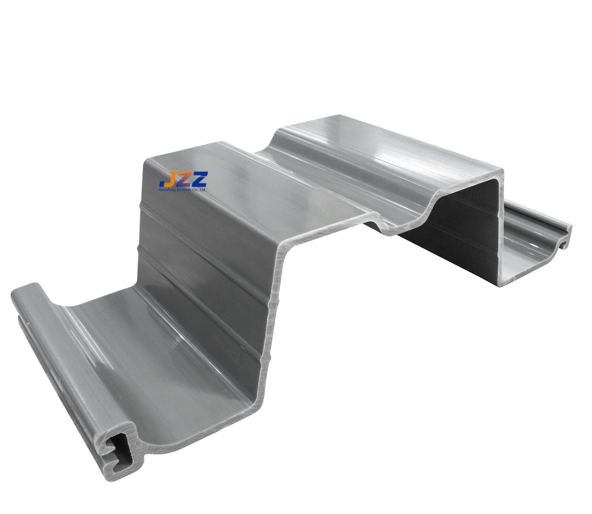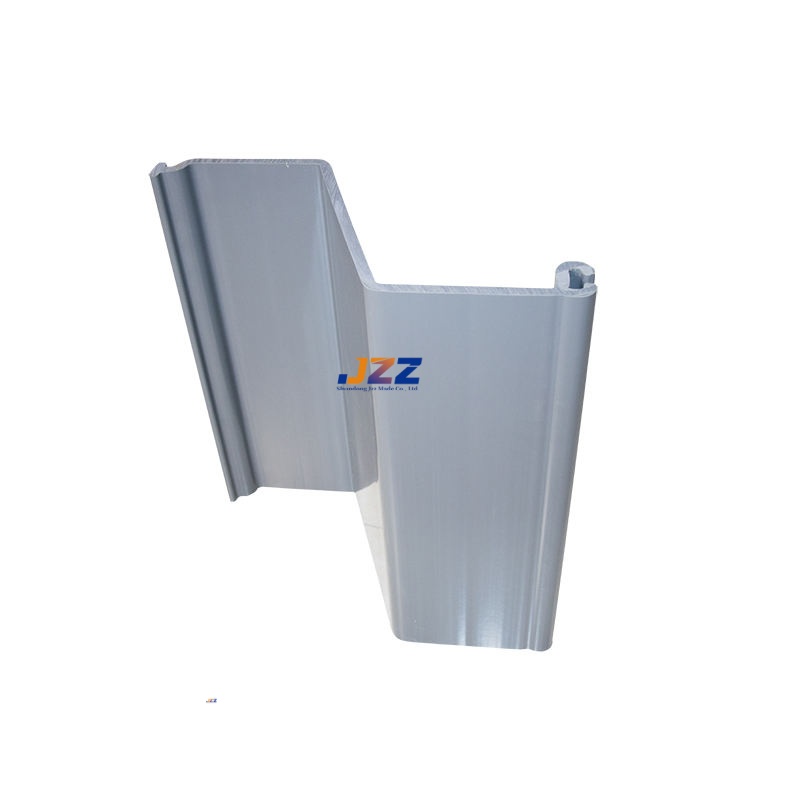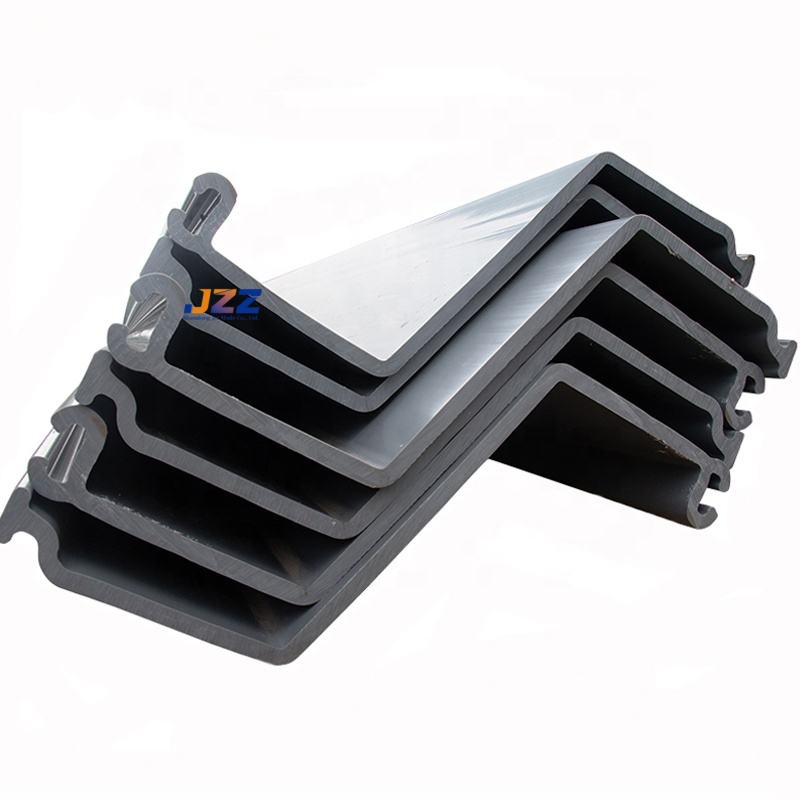
Amidst the wave of material innovation in engineering construction, plastic steel sheet piles leverage the inherent advantages of polymer composites and innovative process design to overcome the limitations of traditional materials like steel and concrete. With comprehensive performance benefits, they have emerged as the preferred choice for green infrastructure projects. Their core competitiveness spans environmental sustainability, cost-effectiveness, performance, and construction efficiency, empowering engineering projects to reduce costs, enhance efficiency, and elevate quality. This has fundamentally reshaped the landscape of engineering materials.
The eco-friendly attribute is the core distinguishing feature of plastic steel sheet piles compared to traditional materials, and it is also key to their alignment with modern engineering ecological concepts. This material uses high-quality, environmentally friendly polymer materials as its base. The entire production process is non-toxic and harmless, eliminating the need for anti-corrosion coating treatments required by traditional steel. It also avoids dust and wastewater pollution generated during concrete pouring, reducing ecological damage from the source. Additionally, plastic steel sheet piles are recyclable, effectively lowering the environmental footprint throughout the project lifecycle. They are particularly suitable for sensitive areas such as river management and ecological restoration projects, achieving a win-win outcome for both engineering protection and ecological conservation. This fully aligns with the national green building development strategy.
In terms of structural performance, plastic steel sheet piles achieve dual breakthroughs in corrosion resistance and structural stability through their high-moment-of-inertia cross-section design and multi-directional interlocking joint technology. They withstand corrosion from diverse harsh environments including acids, alkalis, saltwater, and moist soils. Even in challenging scenarios like marine engineering and river management with high groundwater levels and poor soil conditions, they maintain structural integrity without rusting or cracking. Simultaneously, the optimized design of plastic-steel sheet piles delivers outstanding compression resistance, impact resistance, and lateral bending resistance. With strong single-pile bearing capacity, they effectively withstand external forces like flood impacts and foundation deformation. This provides long-term, stable safety assurance for projects such as foundation pit support and dam construction, significantly outperforming traditional materials.
The convenient construction characteristics of plastic steel sheet piles have revolutionized the traditional construction logic of support materials, significantly enhancing project deployment efficiency. Leveraging its unique rapid connection design, installation resembles “building blocks”—joints snap together precisely without complex auxiliary processes. For diverse site requirements, short piles can be manually inserted, while long piles deploy swiftly with vibrators or pile hammers. This enables efficient advancement even in complex terrain or confined spaces, achieving over five times the construction efficiency of traditional steel sheet piles or concrete structures. This high adaptability enables plastic steel sheet piles to flexibly address diverse scenarios in water conservancy, construction, transportation, and marine engineering. They minimize construction interference with surrounding environments while balancing efficiency and safety.
As the concept of green infrastructure continues to gain traction, this new material—which combines ecological value with practical utility—will steadily replace traditional materials, injecting fresh momentum into the high-quality development of the engineering construction sector.