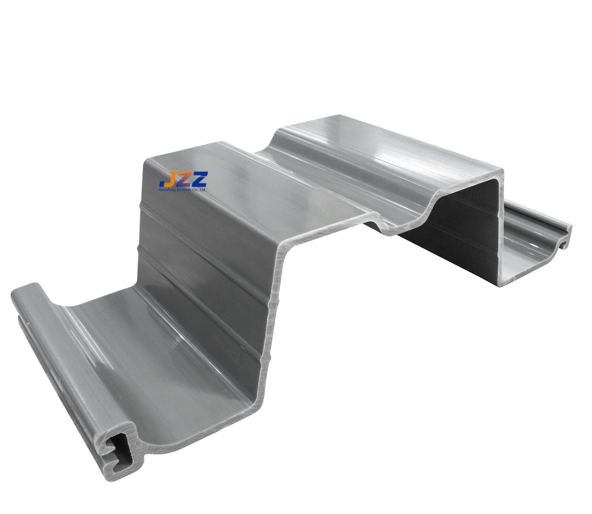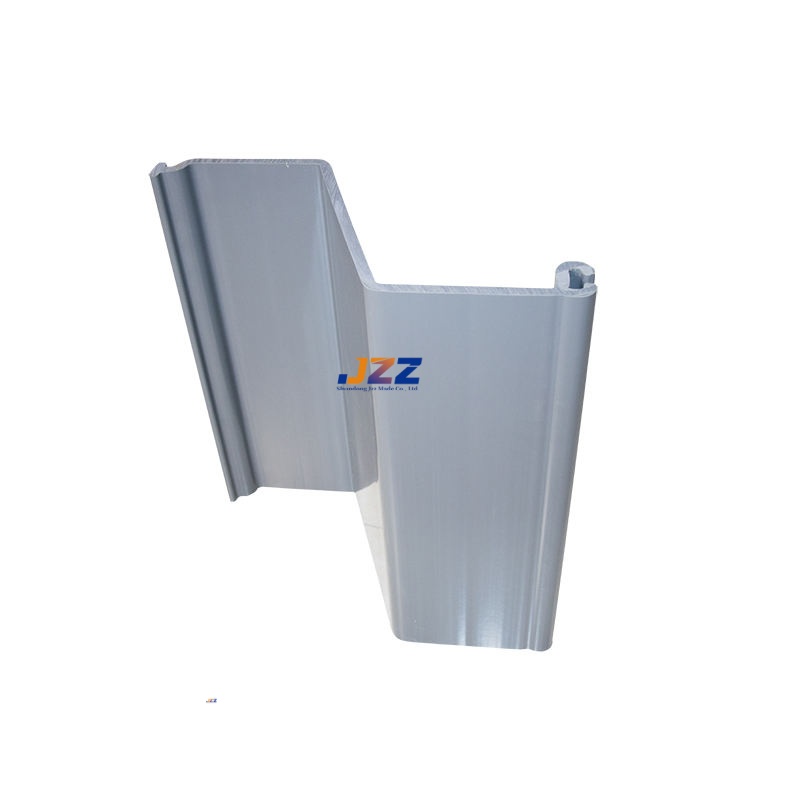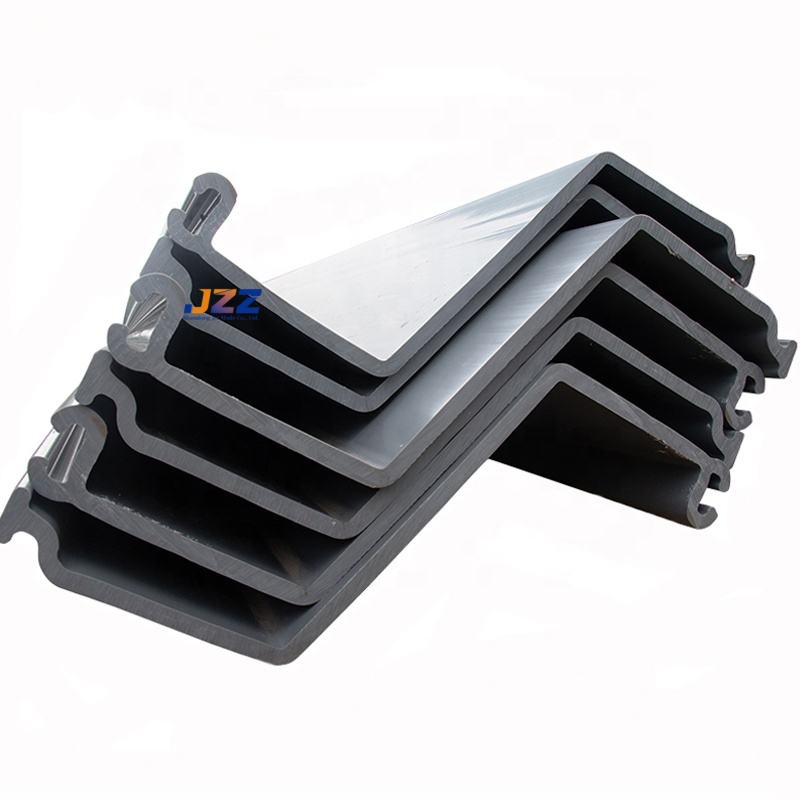
En los proyectos de gestión fluvial, la selección de los materiales de protección de las orillas determina directamente la calidad del proyecto, los beneficios ecológicos y los costes globales. Los pilotes de madera tradicionales son propensos al deterioro, los pilotes de chapa de acero consumen muchos recursos y sufren una grave corrosión, mientras que los pilotes de hormigón perturban los ecosistemas: estos retos persistentes han preocupado durante mucho tiempo a los profesionales de la conservación del agua. Como representante de los nuevos materiales compuestos de polímero, las tablestacas de acero de plástico están remodelando la lógica de la ingeniería de la gestión fluvial con sus triples ventajas de rendimiento, ecología y economía, emergiendo como la solución preferida para la construcción ecológica de obras de conservación del agua.
La principal competitividad de las tablestacas de plástico radica en su amplia mejora respecto a los materiales tradicionales. Desde el punto de vista del rendimiento, combinan una alta resistencia con una excepcional resistencia a la corrosión. Con un diseño de sección transversal de alto momento de inercia y juntas de enclavamiento multidireccionales, ofrecen una extraordinaria resistencia a la flexión lateral y al impacto. Esto les permite resistir eficazmente las colisiones de escombros transportados por las inundaciones, al tiempo que soportan la erosión de masas de agua ácidas/alcalinas y condiciones de suelo complejas. con una vida útil superior a 50 años, superando con creces los 3-5 años de vida útil de los pilotes de madera, al tiempo que se eliminan los retos de mantenimiento a largo plazo asociados a la corrosión electroquímica de las tablestacas de acero. Desde el punto de vista de la construcción, su peso es sólo una quinta parte del de las tablestacas de acero de la misma especificación. Es fácil de transportar y no requiere maquinaria pesada. Su diseño de montaje modular es tan sencillo como “construir con bloques”, lo que permite su instalación manual o con pequeños vibradores. Esto no sólo acorta significativamente el período de construcción, sino que también permite un funcionamiento flexible en zonas cercanas a áreas residenciales y terrenos complejos, evitando las molestias al medio ambiente circundante causadas por la construcción tradicional de ataguías.