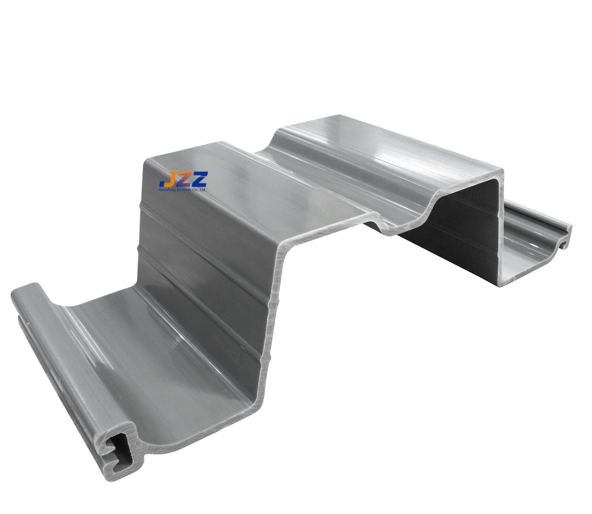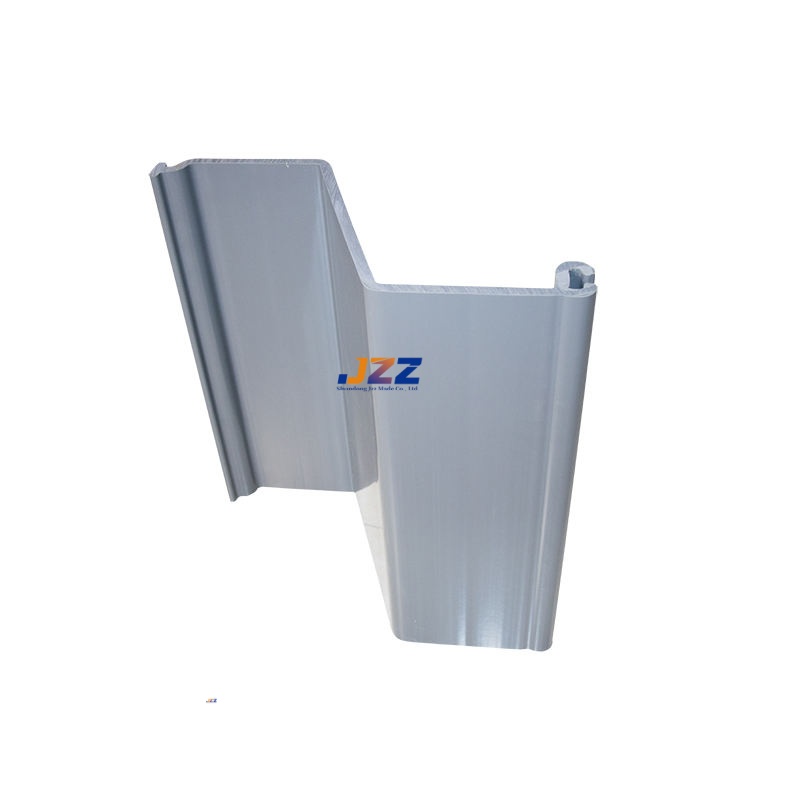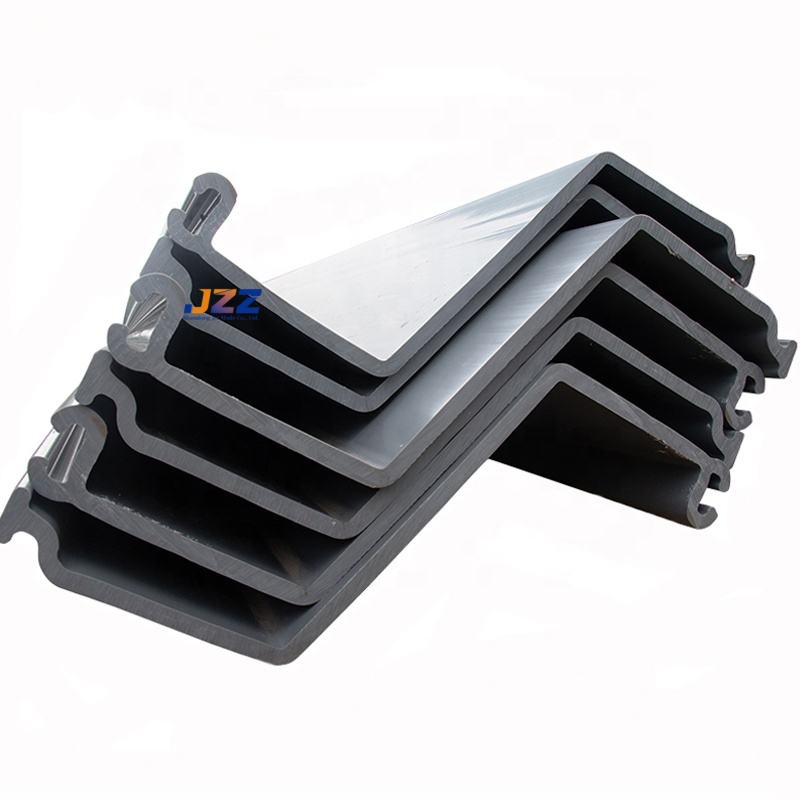
This ecological sheet pile is a specialized polymer composite barrier designed for lake shoreline protection, slope stabilization, and ecological restoration. Featuring an M/MA-type cross-section, interlocking connectors, and ecological perforations as key highlights, it offers corrosion resistance, acid/alkali tolerance, rapid installation, ecological compatibility, and long-term maintenance-free operation. It addresses comprehensive requirements including shoreline stabilization, erosion prevention, water quality improvement, and habitat creation for aquatic life.
Exceptional Corrosion Resistance, Durable and Worry-Free: Constructed from PVC/polymer composite modified materials, it resists acids, alkalis, salt spray, and microbial erosion without heavy metal leaching. Suitable for freshwater lakes and slightly polluted water bodies, it boasts a service life of 50 years under normal conditions. Eliminates the need for anti-corrosion, anti-rust, or anti-termite treatments, ensuring zero maintenance costs throughout its entire lifecycle.
Dual Excellence in Ecology and Structure: The M-shaped cross-section provides high
moment of inertia, while the CT-shaped interlocking joints on both sides ensure a sealed, leak-proof connection with strong bending and lateral resistance. The water-facing side features ecological holes/basins, and the non-water-facing side reserves vegetation channels. It can accommodate planting baskets and fish nest modules, achieving water-soil-biological connectivity. This facilitates plant rooting, fish and shrimp habitation, and enhances water self-purification capabilities.
Lightweight and Efficient Installation: Weighing only 1/5 to 1/6 of steel sheet piles, installation requires only manual labor and small vibratory hammers or static pressure equipment, eliminating the need for large cofferdams or edge forms. Quick-lock joints enable rapid assembly, adaptability to underwater operations and curved shorelines, and an average daily installation rate of 100 meters—approximately 30% more efficient than traditional sheet piles.