Traditional steel and concrete sheet piles are widely used for river regulation, cofferdam building and slope protection. However, these conventional materials have clear drawbacks. They corrode easily, installation work is slow and cumbersome, and owners face high ongoing maintenance costs later.
These weak points make old‑style sheet piles unable to satisfy today’s hydraulic infrastructure. Modern projects demand better durability as well as environmental‑friendly performance.
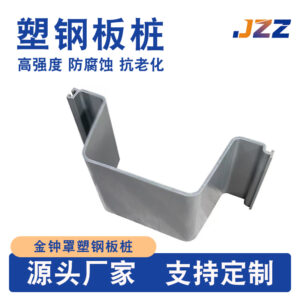
Polymer plastic‑steel sheet piles are innovative composite building materials. They offer strong corrosion resistance, stable structural rigidity and simple field installation. The material also works well with surrounding natural environments.
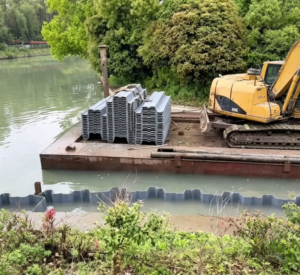
Engineers choose these composite sheet piles for river slope protection, embankment reinforcement, temporary foundation cofferdams and erosion control work. They have become a high‑quality choice for many hydraulic engineering jobs.
Superior Material & Long Service Life
This sheet‑pile product is made of modified polymer composites. Manufacturers form the profile through integrated high‑temperature extrusion. Its inner material structure is dense and even, which delivers reliable structural stability.
When compared to ordinary steel sheet piles, it resists acid, alkali and seawater corrosion. It also fights rust and material aging. Even if it stays immersed in water or sits inside humid soil year‑round, its mechanical properties remain steady. The typical service life ranges from 50 to 70 years.
Because of its long working lifespan, project teams do not need frequent routine maintenance. It cuts long‑term spending on inspection and part replacement. The material also has high toughness and strong impact resistance. It can stand continuous water scouring and wave hitting. It fits sandy soil sites as well as clay ground. It holds back soil, stabilizes slopes and protects river embankments effectively.
Light‑Weight Structure Speeds Up Construction
One big advantage is its low weight. Polymer plastic‑steel sheet piles weigh much less than traditional steel or concrete alternatives. Heavy‑duty construction machinery is no longer required on‑site.
The simplified installation workflow helps construction go 2‑5 times faster than older methods. Project timelines can be shortened significantly. During building work, less land space will be occupied. It also creates less dust and less construction noise. This product fully meets green‑oriented construction requirements.
Each panel has precision interlocking joints. After installation, the interlocked seams stay tight and seamless. The sheet‑pile wall performs very well for water blocking and anti‑seepage purposes. It stops river banks from collapsing and prevents soil‑water loss. In this way, the whole hydraulic facility keeps good structural integrity and runs reliably for many years.
Eco‑Friendly & Better Overall Project Economy
This composite sheet pile does not pollute the surrounding environment. No harmful substances will leach out during production or on‑site usage.
It supports ecological green design along waterways. Aquatic living creatures can live in the new revetment zones. River ecology can recover, and local water quality gets improved.
From an economic perspective, total project costs may drop roughly by 30 % versus using traditional sheet‑pile materials. It reaches a nice balance between long‑lasting durability, cost savings and environmental sustainability.
With all these combined strengths, polymer plastic‑steel sheet piles are gradually replacing older conventional materials. Right now, they are the preferred core material choice for modern hydraulic renovation works and river ecological restoration projects.