Short-term cofferdam projects have three core demands: fast construction, easy disassembly after work, reusable materials and reliable temporary water blocking.
Three materials are widely used on site: wooden sheet piles, concrete sheet piles and plastic-steel sheet piles. This article objectively compares their physical traits, construction features and applicable working conditions.
1. Wooden Sheet Piles
Wooden sheet piles are solid wood panels without dedicated interlocking sealing structures. Big gaps will form between adjacent boards.
Wood absorbs water heavily. After soaking, it swells, bends, rots and cracks easily. These defects lead to unstable support, water leakage and side tilting risks.
Besides, soaked wood releases organic substances and pollutes water bodies, which fails environmental standards. Used wood piles get damaged badly and cannot be reused.
This material only works for shallow ditches within 1m depth, for temporary water retention under 3 days. It cannot meet the demands of standard short-term cofferdam engineering.
2. Concrete Sheet Piles
Concrete sheet piles are precast reinforced concrete parts. They own high rigidity yet low flexibility, easy to crack under bending or impact force.
The piles weigh heavily. Workers need large heavy machinery to lift, drive and remove them. The whole construction process takes much time and extra steps.
Most concrete piles break during disassembly, so they cannot be recycled.
This product is designed for permanent slope protection and dam reinforcement. Its heavy weight and high damage rate make it unsuitable for removable short-term cofferdams.
3. Plastic-Steel Sheet Piles
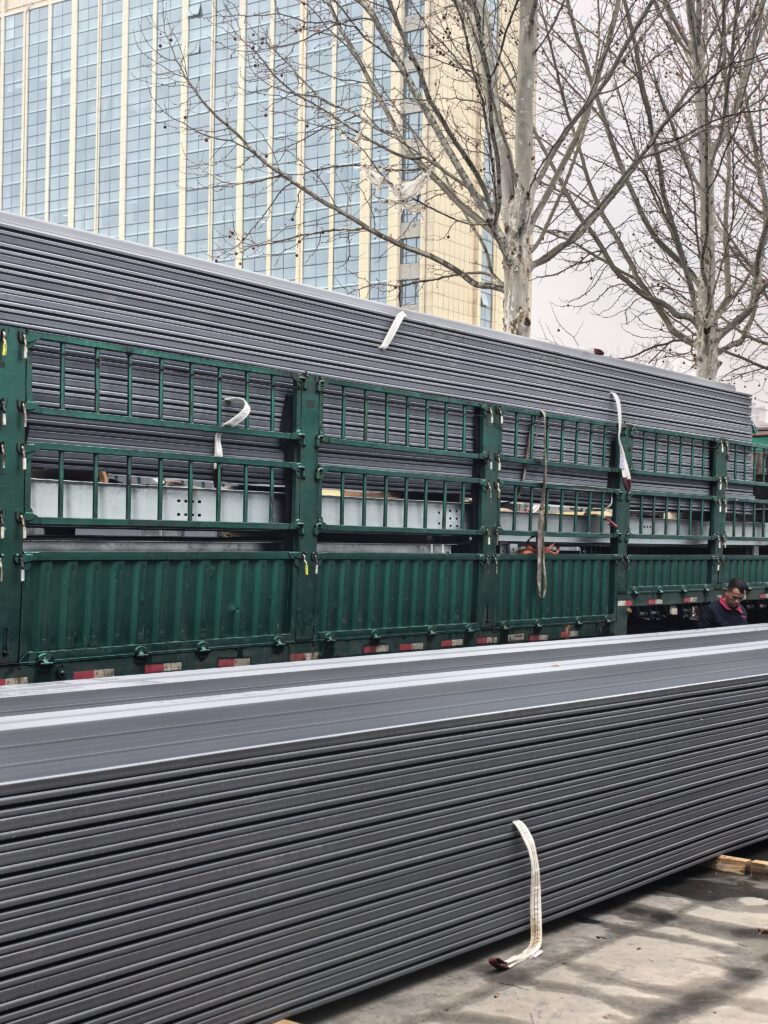
Plastic-steel sheet piles are manufactured with modified high-molecular PVC.
This material does not absorb water or deform under long soaking. It resists corrosion from river water and silt, with no rot or aging problems.
Integrated interlock structures are formed on each panel. When locked together, the joints stay sealed to block water steadily.
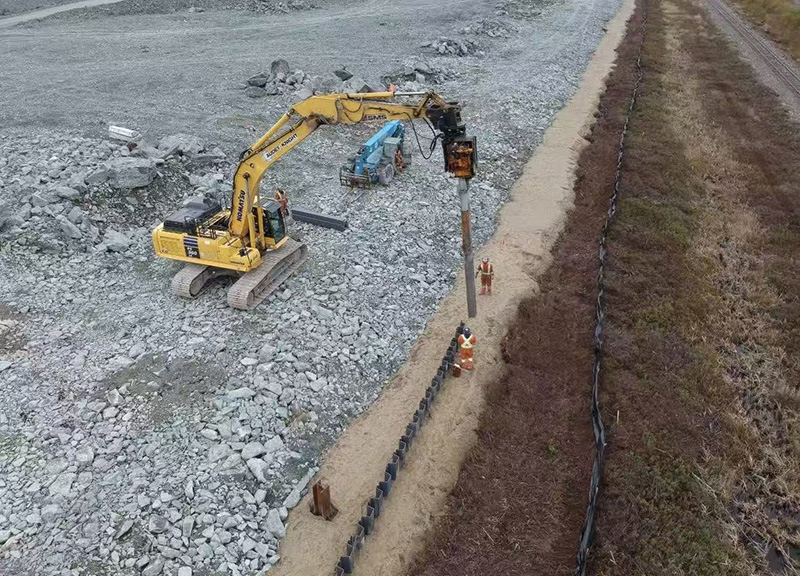
The light weight allows multiple installation methods including vibratory hammer, static press and manual piling, cutting construction time largely.
After construction, the piles can be pulled out completely without permanent structural damage, so they can be reused on multiple projects.
Transport and storage bring little loss, and they fit soft mud, sand and most common soil layers.
Conclusion
Wood sheet piles only fit ultra-simple short-time water blocking. Concrete sheet piles serve permanent infrastructure.
With stable structure, fast assembly & disassembly and recyclable performance, plastic-steel sheet piles are the most balanced option for all kinds of short-term cofferdam projects.