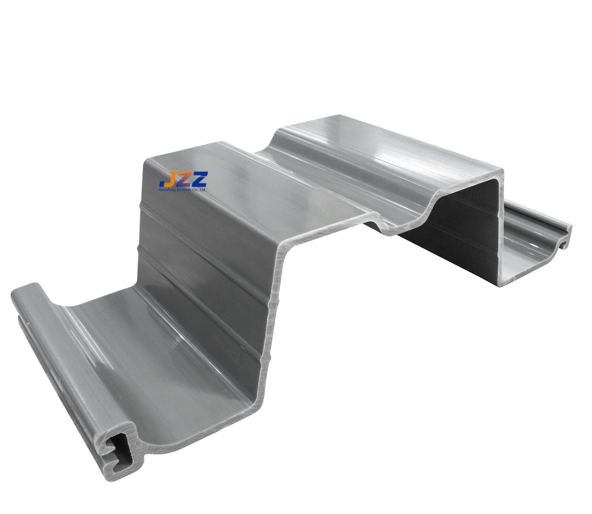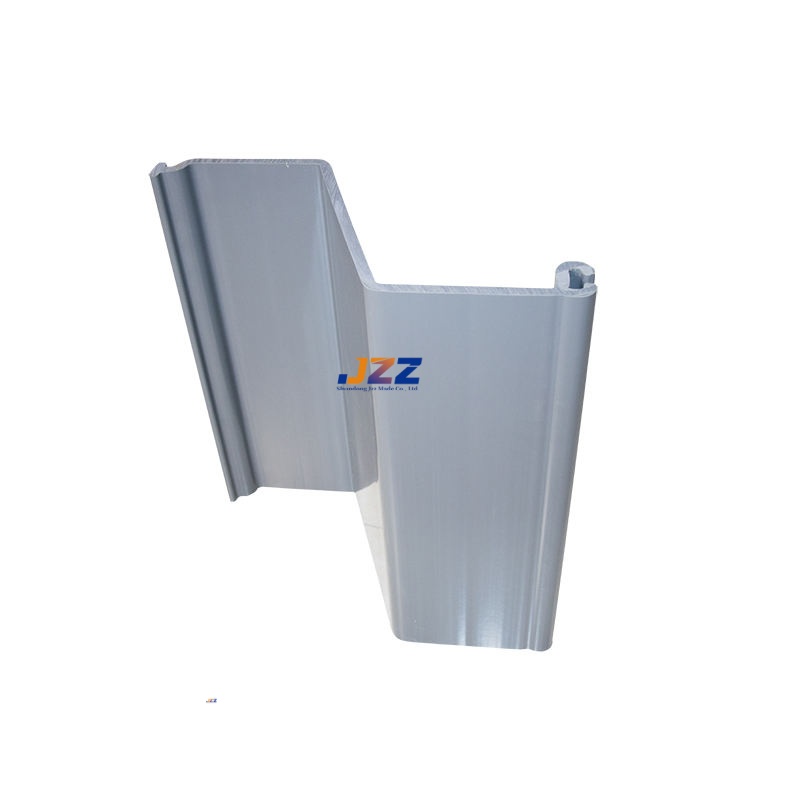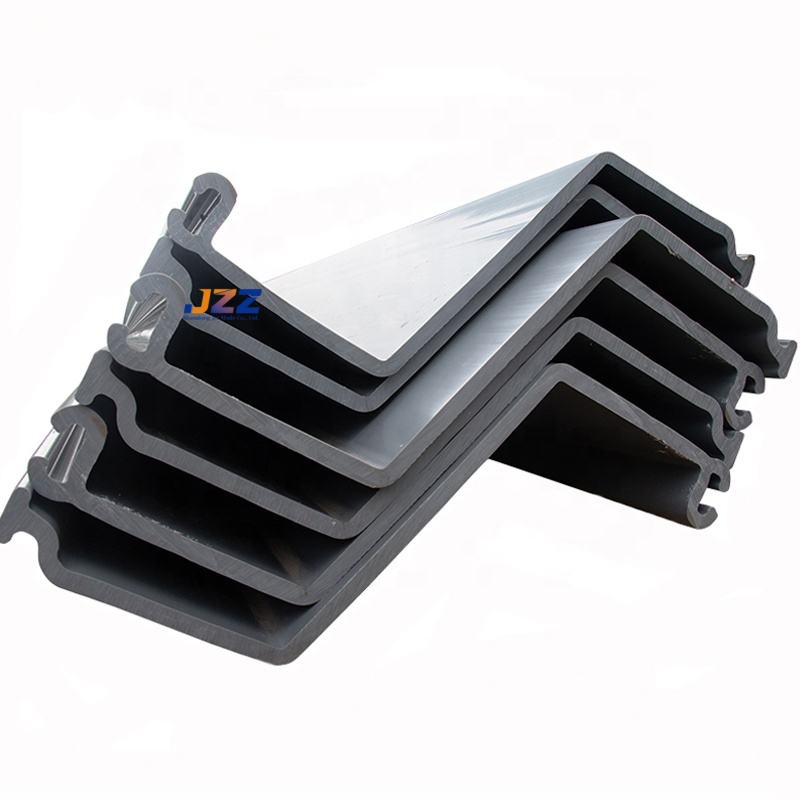
In engineering construction, material adaptability to harsh environments and operational maintenance costs are core concerns. Acidic and alkaline corrosion, along with moisture exposure in scenarios like chemical plants, water conservancy projects, and saline-alkali land remediation, often shorten the lifespan of traditional piles and necessitate frequent maintenance, driving up overall costs. Plastic steel sheet piles overcome the limitations of conventional materials through their acid and alkali resistance and maintenance-free advantages, emerging as an efficient solution for complex environmental engineering projects.The core advantages of plastic steel sheet piles lie in their acid and alkali resistance and maintenance-free operation, both of which stem from their specialized material composition and structural design. Featuring a core of modified PVC or HDPE integrated with corrosion-resistant additives through co-extrusion molding, their dense molecular structure fundamentally blocks acid and alkali corrosion. Capable of long-term service in environments spanning pH 1 to 13, they adapt to diverse corrosive scenarios without requiring additional anti-corrosion measures. Additionally, their smooth surface and seamless interlocking joints provide UV resistance and anti-aging properties, ensuring a service life exceeding 50 years. No specialized maintenance is required throughout their operational lifespan—only simple inspections after extreme disasters. This significantly reduces operational costs and resource consumption compared to traditional pile systems.These dual advantages maximize the value of plastic steel sheet piles across diverse applications. They form robust leak-proof barriers in chemical containment and sewage protection, deliver both stability and ecological compatibility in saline-alkali land reclamation and ecological restoration, and withstand seawater corrosion and tidal impacts in coastal protection and wharf construction. Combining durability, safety, and cost-effectiveness, they represent the preferred material for modern engineering projects—a one-time investment offering lifelong peace of mind.