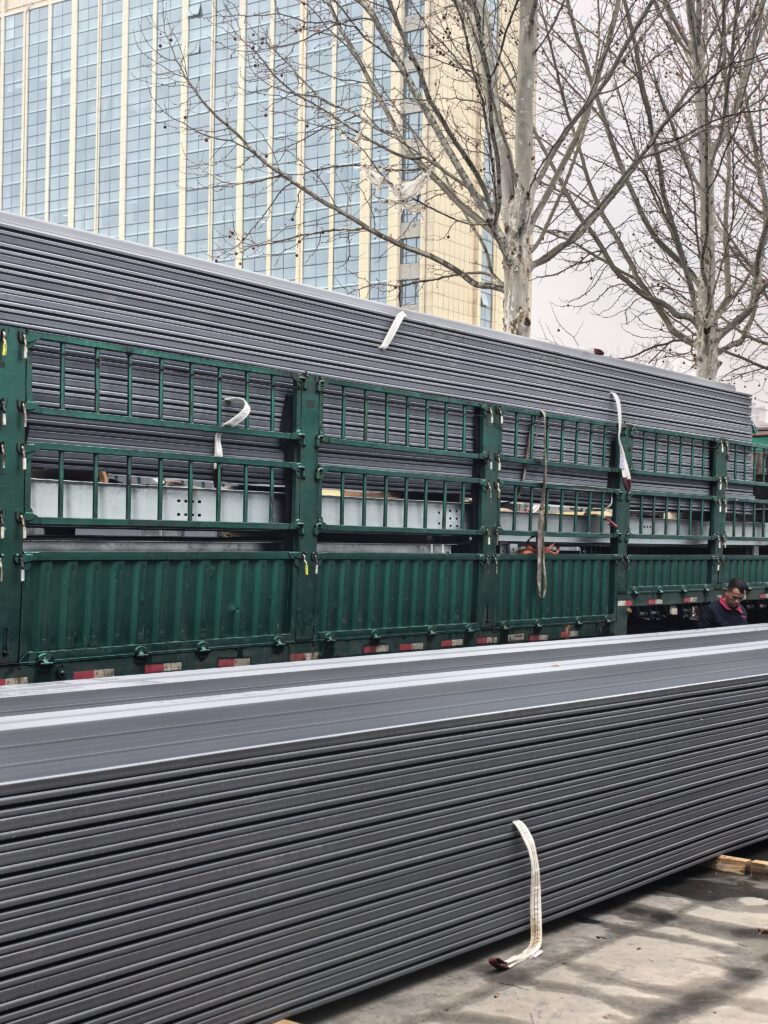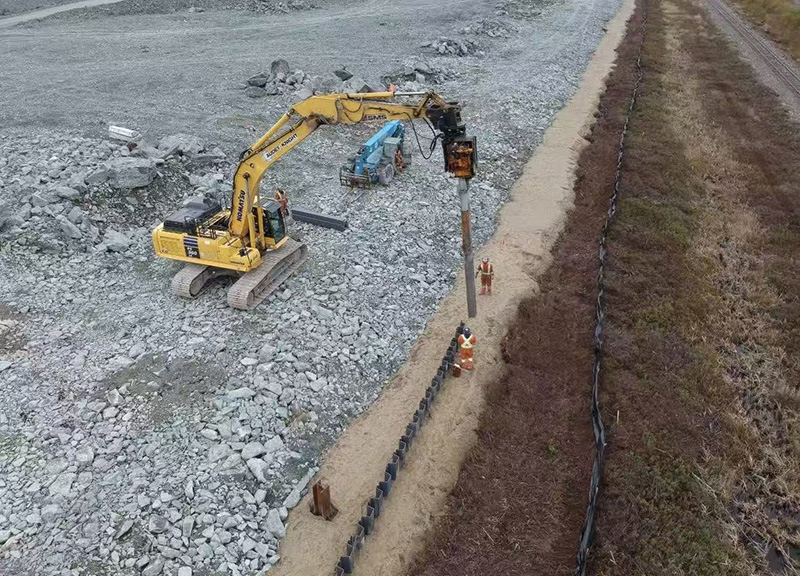
In projects such as hydraulic slope protection, coastal reinforcement, and municipal wastewater treatment, the corrosion and aging of building materials are key challenges that affect project quality and shorten service life. Traditional steel sheet piles are prone to electrochemical corrosion, while concrete piles are susceptible to erosion by acidic and alkaline media, as well as weathering and spalling. In contrast, HDPE plastic-steel sheet piles, with their superior corrosion resistance, have emerged as the preferred new building material in complex corrosive environments, widely replacing traditional reinforcement materials.
HDPE plastic-steel sheet piles use high-density polyethylene as their core substrate, combined with anti-aging and UV-resistant modifiers and molded into a single piece at high temperatures. The material itself is chemically inert, which is the fundamental source of its exceptional corrosion resistance. Unlike metal materials, they do not undergo oxidation, rusting, or electrochemical corrosion in corrosive media such as seawater, saline-alkali soil, or industrial wastewater. Nor are they dissolved or eroded by acids, alkalis, or salts. At the same time, they resist microbial degradation and are suitable for a wide range of harsh outdoor engineering environments.
Compared to traditional building materials, their practical corrosion-resistance advantages are exceptionally prominent. Ordinary steel sheet piles are prone to rust and damage when exposed to moisture and salt over extended periods, requiring regular rust removal, painting, and anti-corrosion maintenance; their service life is only 20 to 30 years. In contrast, HDPE plastic-steel sheet piles are resistant to salt spray, acids, alkalis, and sewage corrosion. They withstand exposure to sunlight, rain, and extreme temperatures—both high and low—and remain free of cracking, peeling, or rusting over the long term, with a service life of over 50 years, effectively eliminating the need for anti-corrosion maintenance throughout their entire lifecycle.
Their exceptional corrosion resistance also significantly reduces overall project costs. These panels eliminate the need for frequent anti-corrosion inspections, repairs, replacements, or renovations, significantly reducing labor and material expenses for operation and maintenance. Their total life-cycle cost is approximately 40% lower than that of traditional steel sheet piles. At the same time, their corrosion resistance makes them ideally suited for key projects such as coastal embankments, river channel rehabilitation, chemical plant slope protection, and sewage tank shoring. Balancing stability with environmental sustainability, they serve as a high-quality shoring material for green infrastructure.