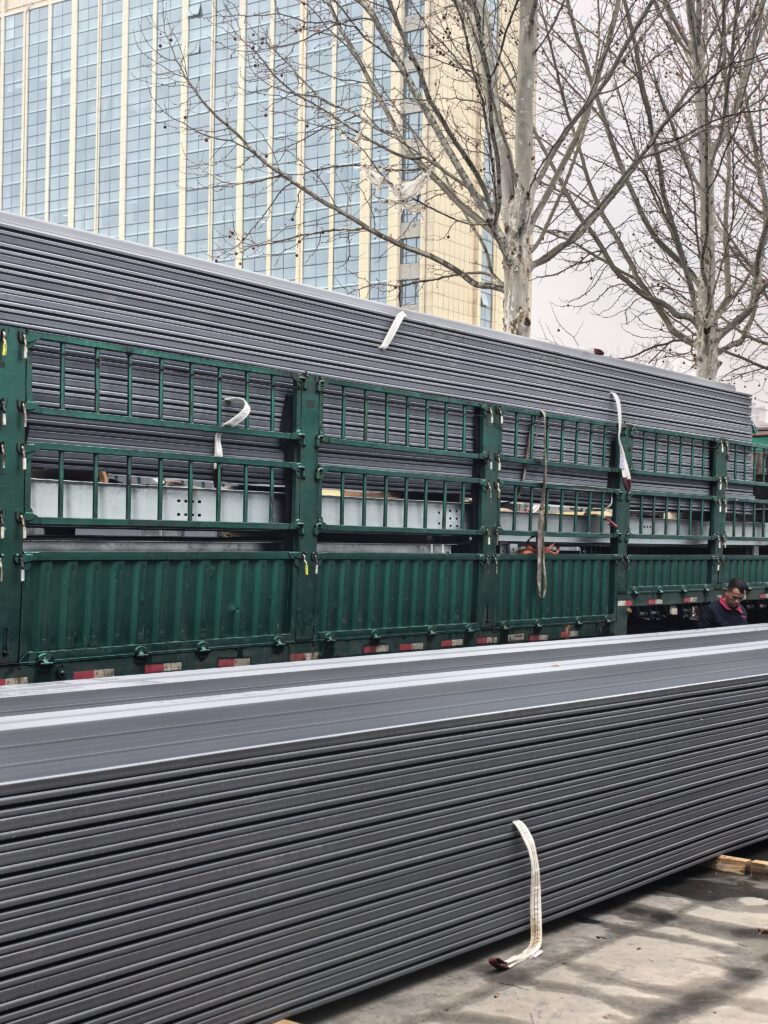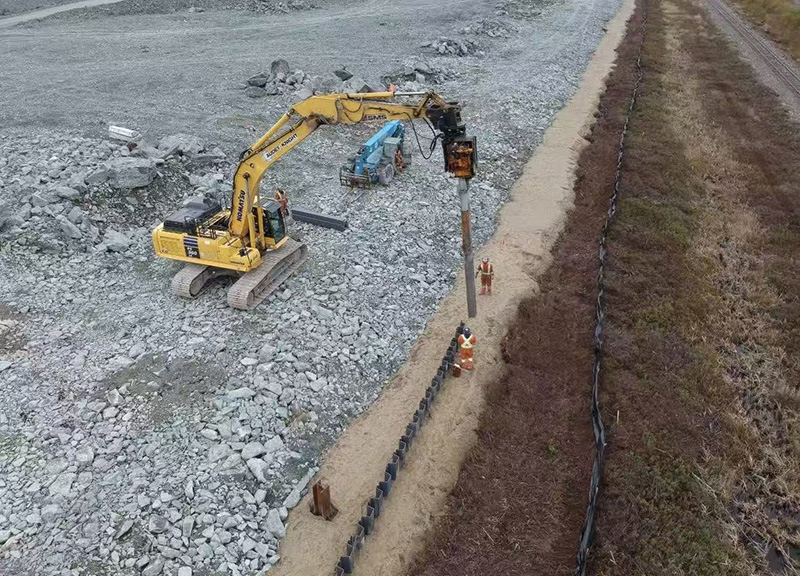
As a new type of engineering material made from high-strength plastic-steel composite, the MA-type plastic-steel sheet pile plays an indispensable role in the two major engineering fields of riverbank protection and excavation shoring, thanks to its unique structural design and superior performance. It has become the preferred solution that balances engineering safety, ecological sustainability, and construction efficiency. These sheet piles feature a high-moment-of-inertia cross-section designed in accordance with mechanical principles. They achieve seamless connections through C- and T-shaped interlocking joints, resulting in a robust and stable overall structure. Additionally, they offer notable advantages such as environmental friendliness, corrosion resistance, durability, and ease of installation, aligning with national development requirements for green buildings and ecological engineering.
In riverbank protection projects, MA-type plastic-steel sheet piles demonstrate exceptional protective performance and ecological compatibility. In addressing issues such as water erosion, soil erosion, and slope collapse along riverbanks and lakeshores, These sheet piles form continuous protective walls through modular assembly. With their superior tensile and flexural strength, they effectively resist water impact and soil pressure, firmly securing the slope soil to prevent erosion and collapse. Additionally, they adapt to various bank configurations, utilizing specialized connectors to achieve seamless alignment at corners, making them suitable for all types of river topography. Compared to traditional bank protection materials, MA-type plastic-steel sheet piles contain no harmful substances such as lead or plasticizers, causing no pollution to the aquatic environment. The ecological perforations on their surface promote natural plant growth and provide habitats and spawning grounds for aquatic organisms such as fish and shrimp, achieving an organic integration of engineering protection and ecological restoration. With a service life of over 50 years, they significantly reduce long-term maintenance costs.