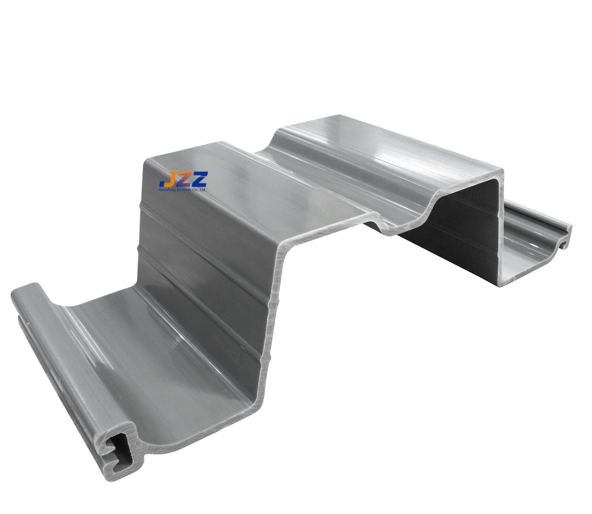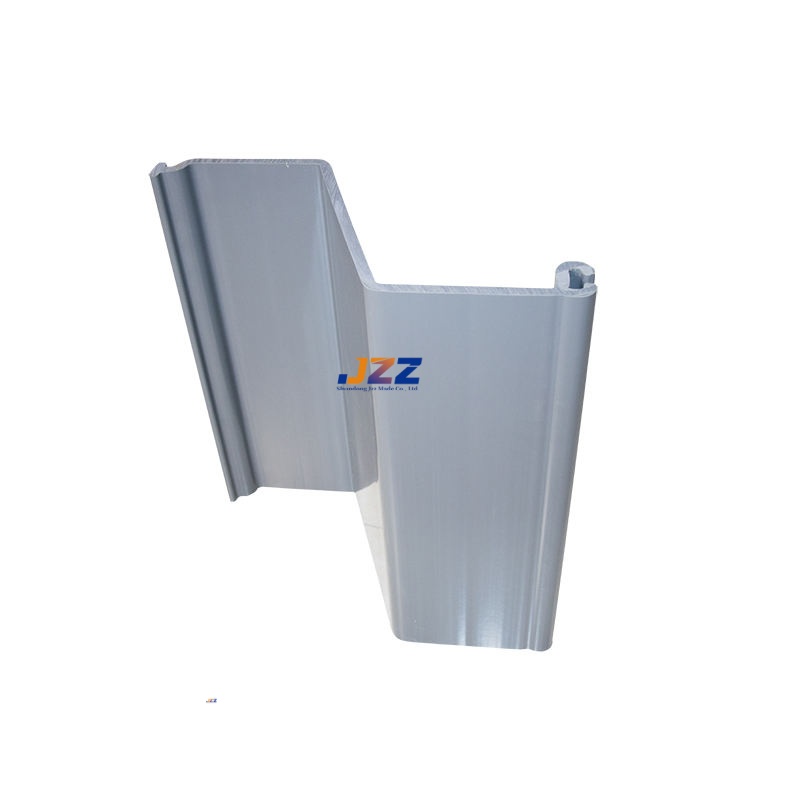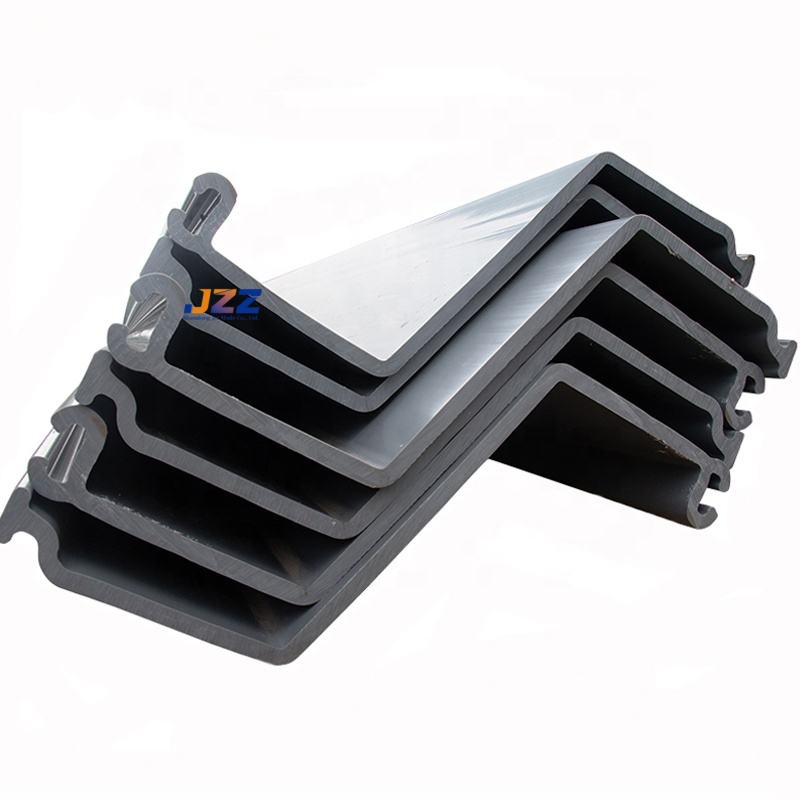
In engineering applications such as hydraulic bank protection, excavation shoring, and ecological remediation, the service life of materials and subsequent operational costs directly determine the project’s overall effectiveness. Traditional building materials often struggle to balance long-term stability with economic efficiency due to insufficient durability and cumbersome maintenance. As a new polymer composite product, plastic steel sheet piles overcome these limitations with their exceptionally long service life and maintenance-free operation. This makes them an efficient, hassle-free, and eco-friendly solution for construction projects, gradually gaining widespread adoption in various key engineering applications.
Compared to traditional materials like steel sheet piles and concrete piles, plastic steel sheet piles have achieved a qualitative leap in service life. Under normal operating conditions, they can reliably serve for over 50 years, far exceeding the 20-30 year lifespan limit of conventional steel sheet piles. This advantage stems from their superior material properties and scientific manufacturing process: Plastic steel sheet piles use high-molecular polymers as the core raw material, combined with anti-aging, anti-corrosion, and reinforcing additives. They are formed through integrated extrusion molding, fundamentally eliminating issues such as rusting in traditional steel, rotting in wood, and cracking and leakage in concrete. Whether deployed in marine environments with high salinity and humidity, or in underground scenarios involving acidic/alkaline soils and wastewater treatment, they maintain material stability. They resist chemical erosion and structural deformation, sustaining robust protective performance even under prolonged exposure to water flow impacts and soil pressure. Authoritative testing confirms the exceptional anti-aging performance of plastic-steel sheet piles. Under outdoor exposure and extreme temperature fluctuations, their performance degradation rate is minimal, easily meeting stringent long-term stability requirements for diverse engineering projects.